

The cost of maintaining a luxury lifestyle rose sharply over the past year, driven by stronger currencies, higher prices for premium goods and growing geopolitical uncertainty, according to Julius Baer’s 2026 Global Wealth and Lifestyle Report. The report found that the cost of a basket of goods and services associated with a premium standard of living increased by an average of 10.2% in U.S. dollar terms over the past 12 months.
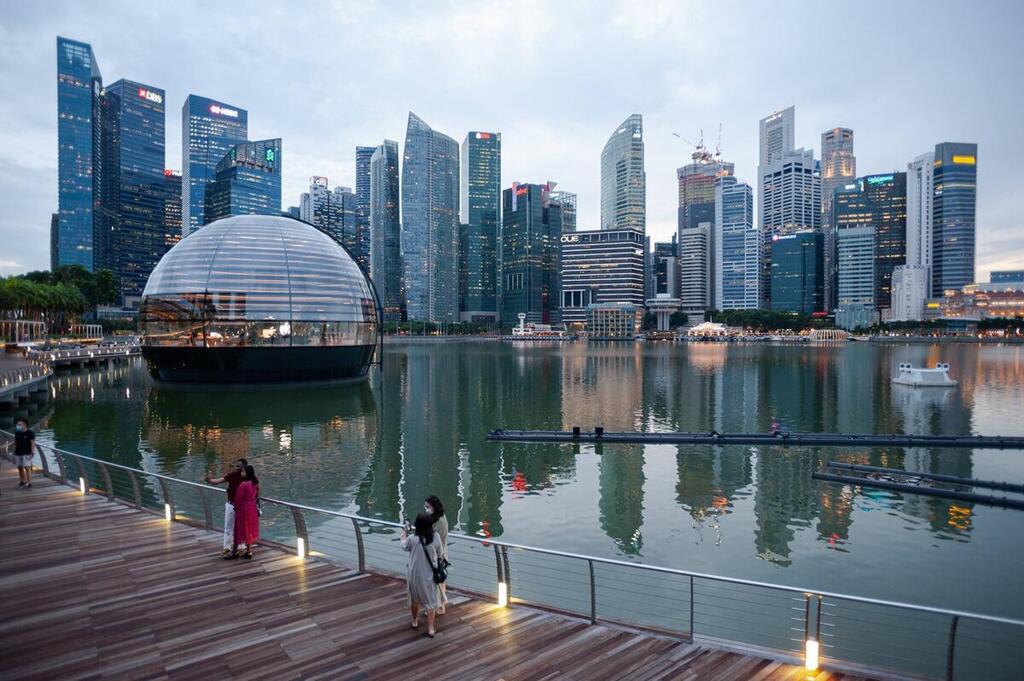
Singapore remained the world’s most expensive city for high-net-worth individuals for the fourth consecutive year, while Zurich climbed three places to second and Monaco entered the top three for the first time.
The ranking is based on the Julius Baer Lifestyle Index, which compares the cost of 20 luxury goods and services across 25 cities worldwide. The bank said this year’s increase was not driven solely by local inflation. Currency movements played a central role, particularly the appreciation of the Swiss franc and the euro against the U.S. dollar. Cities linked to stronger currencies moved higher in the rankings, while those more closely tied to the dollar lost ground.
Singapore stays on top
Singapore retained first place due to the high cost of residential property and cars, as well as the strength of the Singapore dollar. Local price increases were relatively limited, but when measured in U.S. dollars, the stronger currency pushed overall costs up roughly in line with the global average.
The report said Singapore’s political stability, resilient economy and international connectivity continued to make it attractive to wealthy residents despite rising costs.
Zurich moved into second place, largely because of the strength of the Swiss franc rather than sharp local price increases. Monaco rose into third place for the first time, supported by the stronger euro and exceptionally high residential property prices. Hong Kong fell to fourth place, while London dropped to fifth after nearly taking the top position in 2025.
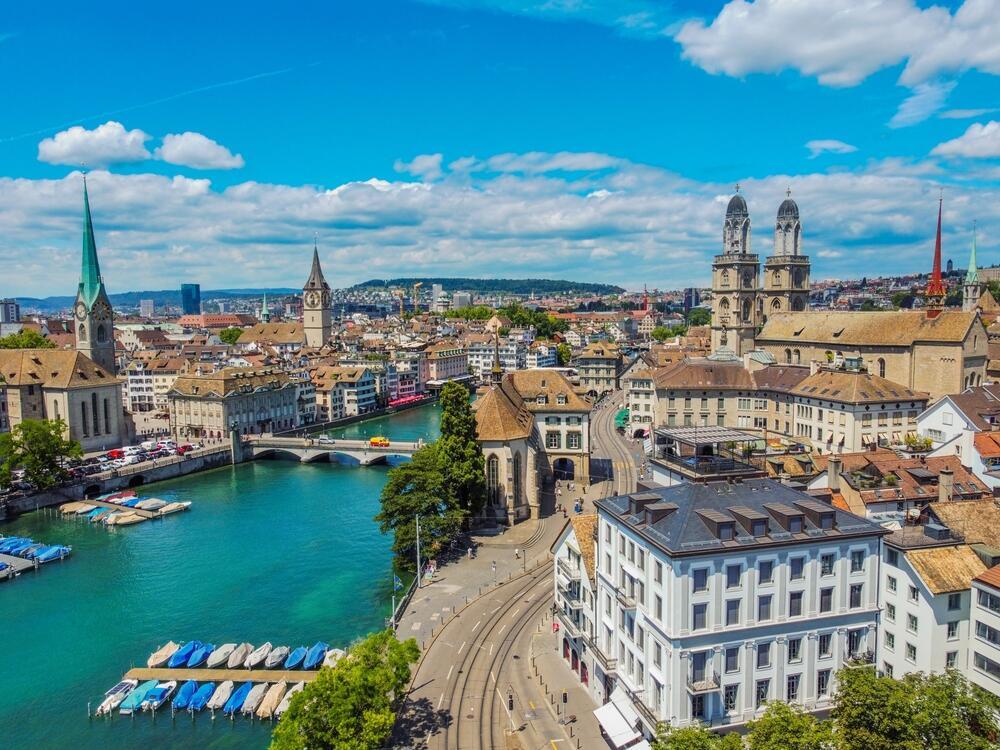
Zurich, Switzerland
(Photo: Shutterstock)
Asia and Europe dominate the top 10
Asia-Pacific remained a major center of global wealth, with five cities among the 10 most expensive. Alongside Singapore and Hong Kong, Shanghai, Sydney and Bangkok all appeared in the top 10.
Sydney was the year’s biggest climber, moving up six places to eighth. Julius Baer attributed the rise to the stronger Australian dollar and high import costs for premium goods. Even so, prices across the Asia-Pacific region rose by an average of 7.4% in U.S. dollar terms, below the global average.
Europe remained one of the world’s most expensive regions, with average price increases of 14.1%, well above the global figure. Zurich, Monaco, Paris, Milan and Frankfurt all moved higher, while Barcelona remained unchanged.
London fell to fifth because the British pound moved more closely with the U.S. dollar, limiting its increase relative to cities using the euro or Swiss franc.
Dubai falls as dollar link weighs on ranking
Dubai slipped to 14th place. The report said the decline reflected other cities becoming more expensive rather than Dubai becoming significantly cheaper. Because the United Arab Emirates dirham is pegged to the U.S. dollar, Dubai did not benefit from the same currency gains that pushed European and Swiss cities higher.
Julius Baer stressed that its data collection ended in late February and its survey work concluded in early March, before the latest escalation in the Middle East. The current regional conflict and its effects on prices, travel and investment were therefore not included in the findings.
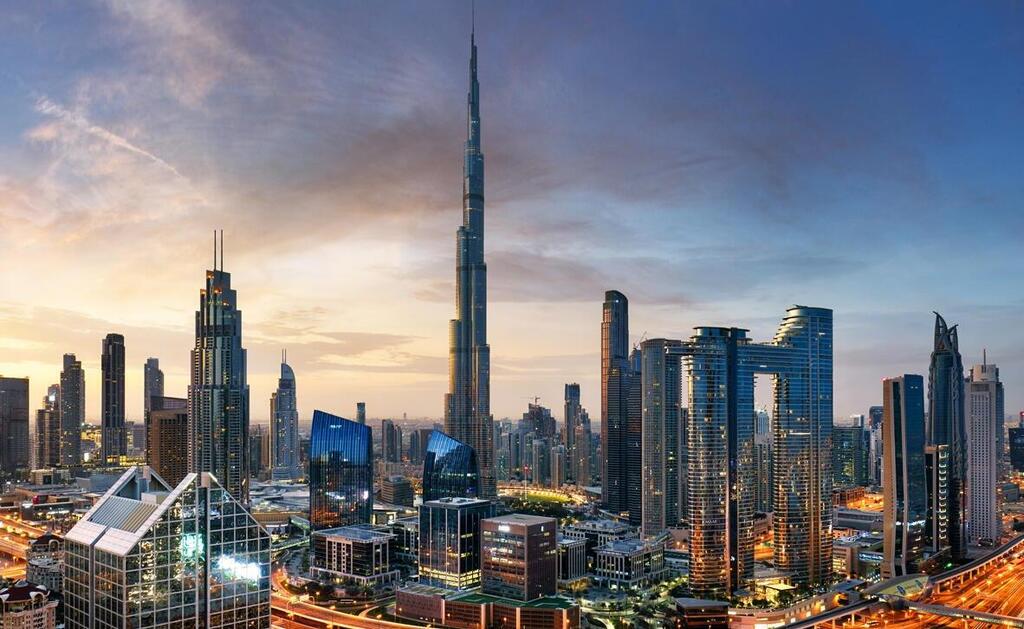
No longer at the top. Dubai
(Photo: Shutterstock)
No city in the Americas makes top 10
For the first time in three years, no city in the Americas appeared among the 10 most expensive. New York remained the highest-ranked city in the region, while São Paulo climbed to 12th place. Santiago and Mexico City also moved higher, supported by local price increases and currency movements.
The report found clear differences within the region. North America continued to show strong wealth accumulation and relatively stable investment behavior, while affluent consumers in Latin America displayed greater caution and placed more emphasis on preserving purchasing power.
Currency was the main factor reshaping the ranking, but higher raw-material costs also contributed to rising prices. The price of gold has more than doubled since 2024, according to the report, pushing up the cost of jewelry and watches. Jewelry prices rose by 16.4%, while watches increased by 15.5%.
Luxury goods prices rose by an average of 12.3%, reflecting higher costs for materials such as leather and precious metals, expensive skilled labor and price increases imposed by global luxury brands. Many major luxury houses are based in Europe and set prices in euros or Swiss francs, which helped lift retail prices in other markets. Goods prices rose more rapidly than service prices, reversing a trend seen in previous years.
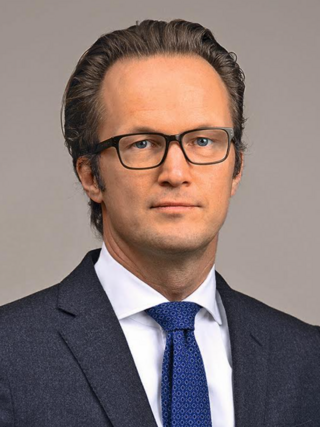 Gattiker Christian Photo: Julius Baer
“Currency, once again, is at the forefront, but it is the interaction between currencies, assets and behavior that defines the real story,” said Christian Gattiker, Julius Baer’s head of research.
Wealthy consumers change how and where they spend
The report’s lifestyle survey found that geopolitical uncertainty had become a concern for wealthy individuals in every major region. Between 82% and 95% of respondents said they were concerned or very concerned about geopolitical developments.
The uncertainty is influencing where affluent consumers shop, how they invest and which parts of their lifestyle they prioritize.
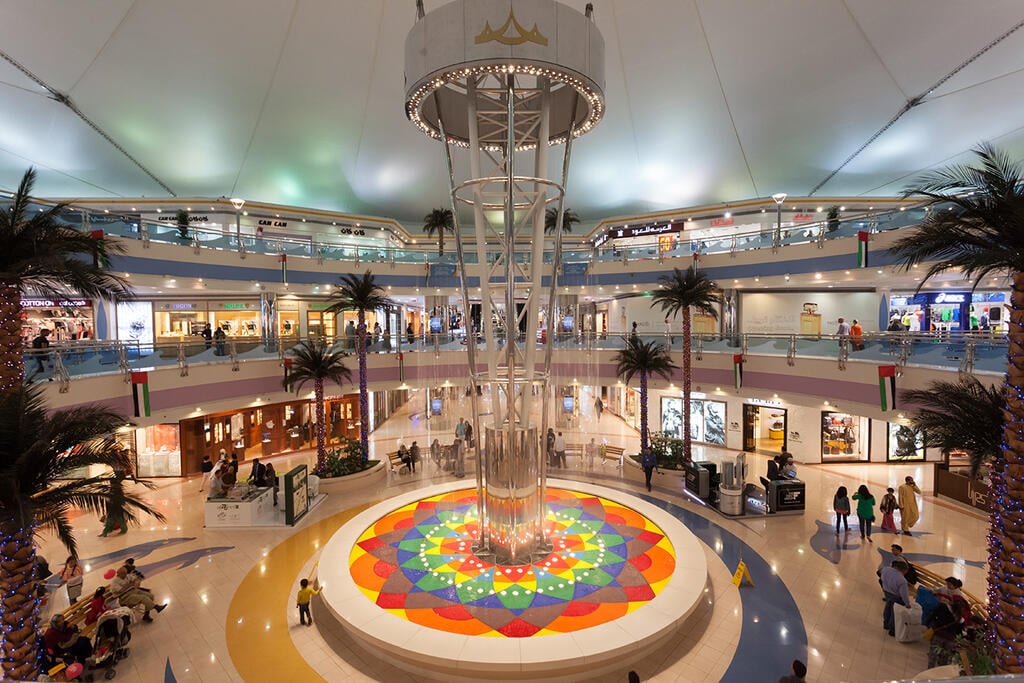
Dubai's mall
(Photo: Shutterstock)
Spending in Asia-Pacific and the Middle East significantly outpaced spending in Europe, North America and Latin America.
Europe recorded the sharpest contraction in spending. Experiences remained the dominant category across all regions, led by demand for luxury hotels and premium dining. Health spending also rose in every region, one of only two categories to do so alongside leisure travel.
The findings suggest wealthy consumers increasingly view health, longevity and physical well-being as part of their overall wealth rather than as separate expenses.
Luxury shoppers seek ways around tariffs
Tariffs, exchange-rate shifts and political uncertainty are also changing how affluent consumers buy luxury goods. At least one in three respondents said they had already changed the country of origin of some purchases. More than half said they would consider traveling abroad to buy luxury products and avoid tariffs, while about one quarter said they were already doing so.
The report said mobility is becoming increasingly important for affluent individuals, not only as a lifestyle benefit but also as a way to protect purchasing power.
Most respondents said they had changed their portfolios in response to rising economic and political risk. Traditional assets remained the foundation of most portfolios, but wealthy investors were increasingly shifting toward defensive strategies, including precious metals, geographic diversification and greater liquidity.
Asia-Pacific investors were the most active in adjusting their holdings. Some 73% said they had increased diversification, including 53% who added more precious metals and 46% who expanded the geographic spread of their investments.
Investors in the Middle East also reported broadly diversified portfolios, with strong interest in alternative investments and collectibles.
European investors remained more conservative, favoring wealth preservation and investment funds, while North American respondents reported the strongest asset growth and the most stable financial attitudes.
Latin American investors focused primarily on income generation and wealth preservation while also showing interest in emerging investment themes.
The report concludes that wealth is increasingly being measured through more than financial assets alone. For high-net-worth individuals, it now also includes health, security, mobility, lifestyle flexibility and the ability to preserve wealth across generations.