

Israeli NeuroAI startup Hemispheric emerged from stealth on Wednesday with $52 million in early-stage funding, unveiling what it describes as the first large-scale artificial intelligence foundation model designed to decode human brain activity and help diagnose neurological and psychiatric disorders.
The company said the funding round included Hanaco Ventures, Arkin Capital, OurCrowd, Artofin VC, OneMind/Awareness Capital, Protocol Labs, L Catterton and a number of individual investors, including Howard Morgan, Naomi Azrieli, Yasmin Lukatz and Scott Belsky.
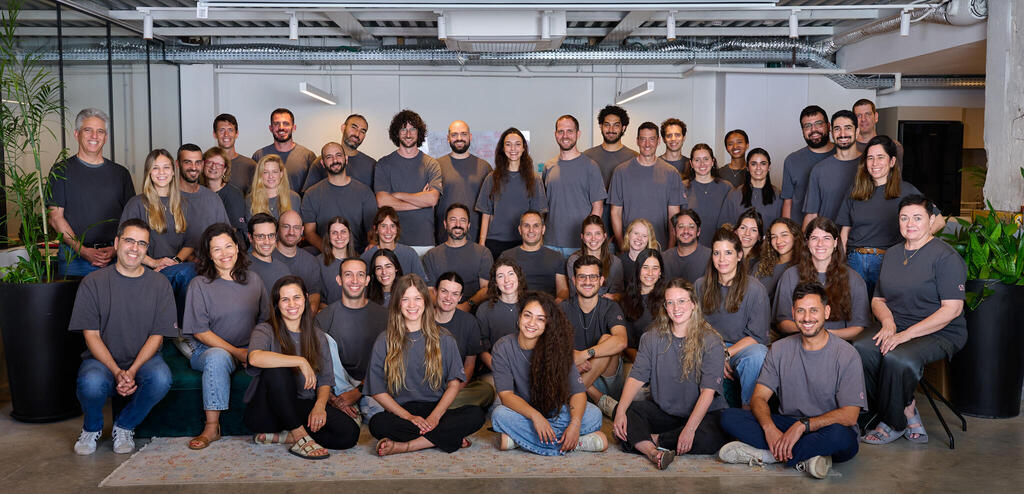
Hemispheric was founded by computational neuroscientist Hagai Lalazar and Gidi Littwin, co-founder of facial recognition startup RealFace, which was acquired by Apple in 2017. Littwin is also a co-inventor of Apple's Face ID technology.
The company's core technology, called Descartes, is a six-billion-parameter NeuroAI foundation model trained to interpret noninvasive electrical brain activity. Hemispheric says the model was trained on more than 250,000 hours of proprietary multimodal data, including electroencephalogram (EEG) recordings and behavioral information collected from more than 100,000 participants through its global research network.
The company said the platform is designed to provide clinicians with objective measurements of brain function, an area where diagnosis today often relies on patient interviews, questionnaires and behavioral assessments.
"Every major organ in the body has objective tests, except the brain," Lalazar, Hemispheric's co-founder and chief executive, said in a statement. "Each person's brain is unique, like a snowflake, which is why current attempts at one-size-fits-all treatments fall short."
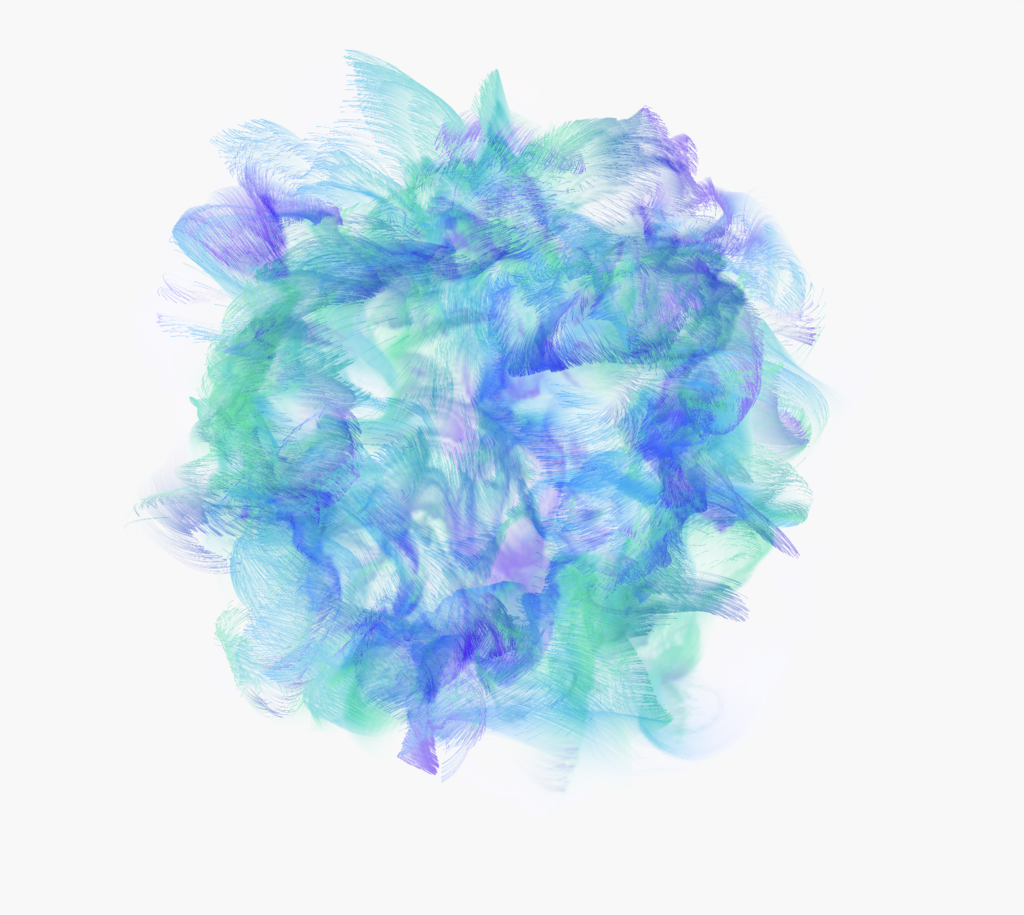
Visualization of the Descartes model's output, illustrating how it represents patterns of brain activity across thousands of participants
(Illustration: Hemispheric)
Unlike invasive brain-computer interface technologies, Hemispheric's system relies on a wearable dry-electrode EEG headset. During a roughly 15-minute session, patients wear the headset while completing tasks on a tablet or smartphone. The platform analyzes electrical brain activity and generates quantitative results intended to help physicians diagnose disorders, select treatments and monitor patient progress over time.
"Non-invasive neurotechnology is the only path to democratizing brain health," Littwin, the company's chief technology officer, said in a statement. "The challenge has always been variability: the same brain signal can look completely different across individuals."
According to the company, Descartes was developed over more than six years by a multidisciplinary team of 112 researchers and engineers specializing in computational neuroscience, artificial intelligence and medical imaging. The team includes developers who previously worked on technologies underlying Apple's Face ID facial recognition system and the Apple Vision Pro mixed-reality headset.
Hemispheric said its proprietary infrastructure includes dedicated brain-data collection laboratories and AI model training systems designed specifically for neural data.
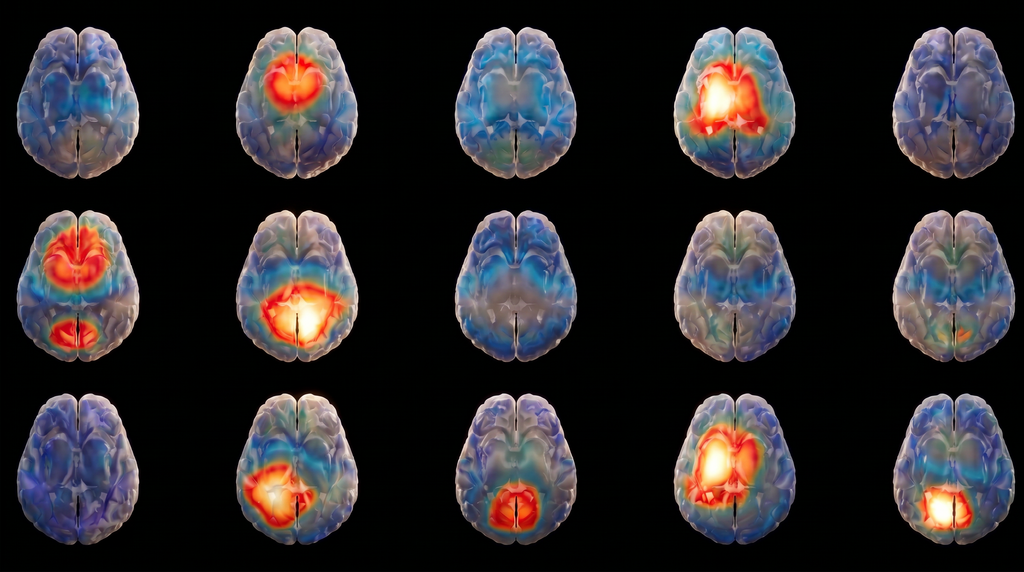
Brain grid
(Illustration: Hemispheric)
The company's initial commercial focus is precision brain health, targeting conditions including post-traumatic stress disorder, mild traumatic brain injury, depression, anxiety, schizophrenia and Alzheimer's disease. It said the long-term goal is to improve diagnosis and treatment selection while extending healthy cognitive function later in life.
The company said it has demonstrated the technology to leadership at the U.S. Food and Drug Administration's Center for Devices and Radiological Health and is pursuing regulatory approvals in the United States and Europe. It is also working with government agencies and pharmaceutical companies to develop clinical applications.
Lior Prosor, co-founder and general partner at Hanaco Ventures, said advances in artificial intelligence are expanding beyond large language models into specialized systems capable of tackling scientific and medical challenges, including decoding brain activity.
Hemispheric said it will use the new funding to expand deployment of the Descartes platform with healthcare, pharmaceutical and government partners, grow its global brain-data network, advance regulatory approvals for precision diagnostics and expand its U.S. operations.