


Prime Minister Benjamin Netanyahu and Energy Minister Eli Cohen announced Wednesday evening the approval of a gas export deal from Israel’s Leviathan reservoir to Egypt. It is the largest export agreement in Israel’s history, covering about 131 billion cubic meters (BCM) of natural gas over roughly 18 years, with an estimated total value of about 112 billion shekels ($34.7 billion).
According to Netanyahu, state revenues from taxes and royalties are expected to reach around 58 billion shekels ($18 billion), in addition to existing income from the gas sector.
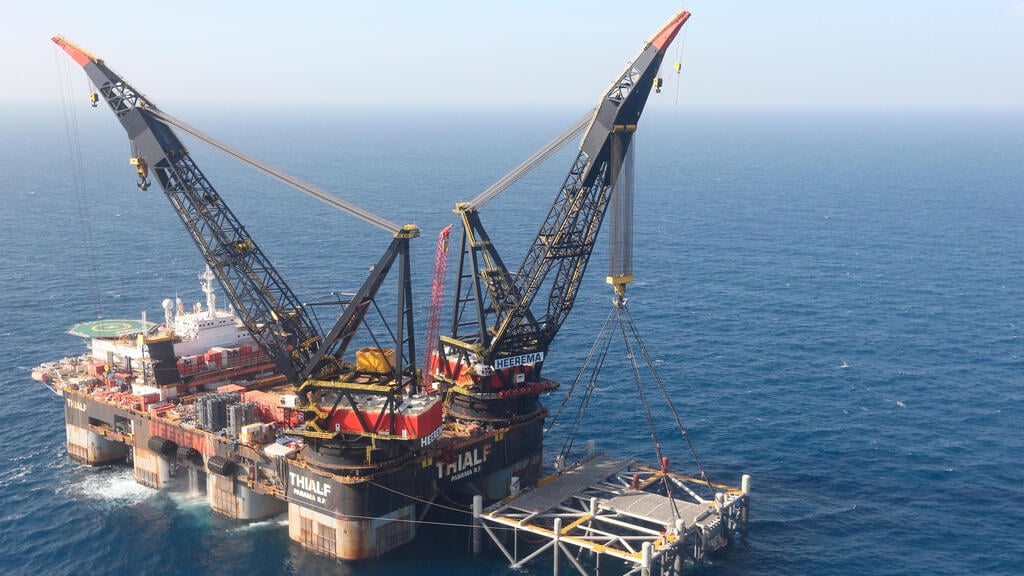
Beyond the economic dimension, the agreement is presented as a broader strategic move. It strengthens ties with Egypt, deepens regional dependence on Israeli gas and cements Israel’s position as a key regional energy supplier. Implementing the deal will require major infrastructure investments in Israel, estimated at 15–16 billion shekels ($4.6–$5 billion), including expanding Leviathan’s production capacity and upgrading transmission pipelines. These investments are expected to create jobs and increase supply capacity for the domestic market as well.
Still, approval came only after prolonged negotiations centered on a particularly sensitive issue: concern that large-scale exports could undermine Israel’s long-term gas supply and drive up electricity prices. Estimates suggest existing gas reserves would cover about 23 years of consumption at the current pace, but fears persist that demand could rise rapidly or that new discoveries may not materialize.
Against this backdrop, Israel demanded that clear consumer protection mechanisms be embedded in the agreement. While Cohen repeatedly pledged in recent months that the deal would not lead to higher electricity prices, the final agreement nonetheless approved the same export volume originally sought by the American partners.
According to statements by the prime minister and the energy minister, the approved text includes several key safeguards. These include absolute priority for the domestic market, obligating Leviathan to meet all Israeli demand on a daily basis before any exports to Egypt are permitted. The agreement also introduces mechanisms aimed at improving gas pricing in Israel, such as commitments to offer varied pricing options and a cap on the maximum gas price at $4.70 per thermal unit, indexed to inflation. In addition, short-term contracts may not be priced higher than long-term ones.
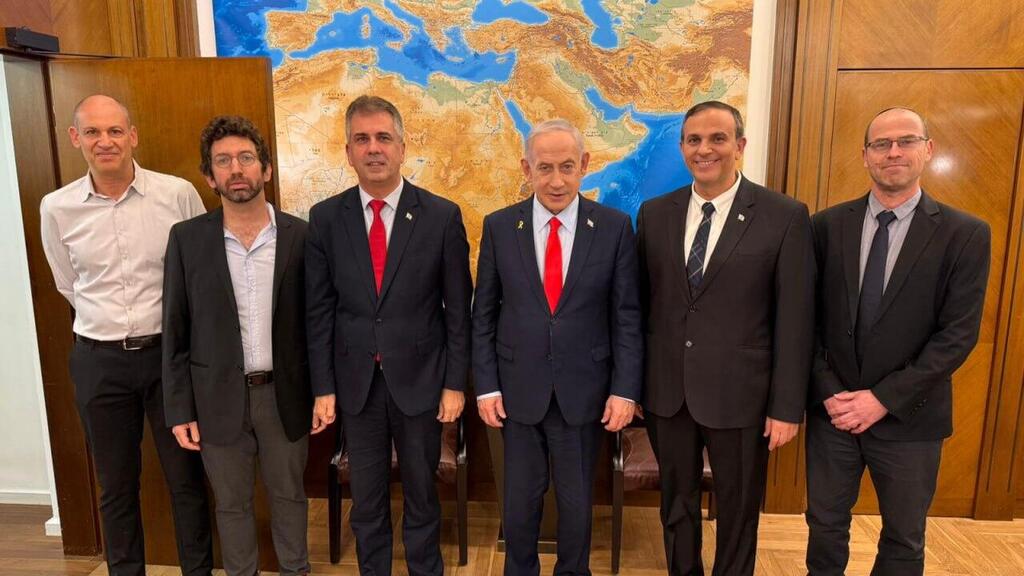
Netanyahu and Cohen are smiling, but it is not clear whether the Israeli public will be happy as well
(Photo: Prime Minister's Office)
Another significant addition during the negotiations, officials say, is expanded future authority for the state. Starting in 2032, the energy ministry’s petroleum commissioner will be empowered to reduce export volumes, including for competitive reasons or to ensure domestic supply. This regulatory tool was far from guaranteed in the deal’s early stages and is meant to address scenarios of shortages, surging demand or rising prices.
The issue is particularly sensitive given recent developments in the electricity sector. Just weeks ago, the Israel Electric Corp. initiated arbitration proceedings in London against partners in the Tamar gas reservoir, including Chevron and Dor Energy, after talks over updating the gas contract and its pricing collapsed. The arbitration, stipulated in the original agreement, is expected to determine whether gas prices will rise or fall by up to 10 percent. It could last a long time and cost millions of dollars.
The Electric Corp. is seeking stable supply, while the gas partners are pushing for higher prices. During negotiations over the Egypt deal, Cohen attempted to pressure Leviathan to sign an agreement with the Electric Corp., which the utility says offered an inflated price. As a result, it remains unclear how Wednesday’s assurances will translate into concrete relief for Israeli consumers, especially as electricity prices have steadily risen in recent years.
Officials at the Electric Corp. said they were surprised by Cohen’s remarks and noted that they have not seen binding clauses in the agreement that would clearly guarantee gas supply for the domestic market, which currently accounts for about 70 percent of Israel’s electricity generation.
The govenment insists the agreement aligns with previously approved reserve preservation policy and strikes a balance between export-driven revenues, investment and diplomatic leverage on the one hand, and energy security on the other. Critics counter that even with safeguards, extensive exports of a finite natural resource still pose risks. Over the long term, they warn, Israel could become more dependent on energy imports or face higher electricity prices if new discoveries fail to keep pace with consumption.
Lobby 99 said in a statement that “the efforts and pressure exerted by gas companies have paid off, and the Israeli government has surrendered and approved exporting the full volume requested, equivalent to a decade of domestic gas consumption. Following our efforts, the decision includes competitive pricing protections and a future option to curb exports for competition reasons. We will be there every step of the way to ensure this option is actually implemented. It is regrettable that such a major deal was approved before the committee reviewing natural gas policy published its final recommendations.”
First published: 00:44, 12.18.25