

Israeli drugmaker Teva Pharmaceutical Industries has signed an agreement with South Korea's Samsung Bioepis to market two FDA-approved biosimilar medicines in the United States, expanding the companies' partnership in treatments for chronic inflammatory and autoimmune diseases.
The agreement, announced Tuesday, covers infliximab-abda, a biosimilar version of the immunology drug Remicade, and ETICOVO (etanercept-ykro), a biosimilar to Enbrel. Both belong to a class of medicines called tumor necrosis factor (TNF) inhibitors, which are used to treat conditions in which the immune system attacks healthy tissue.
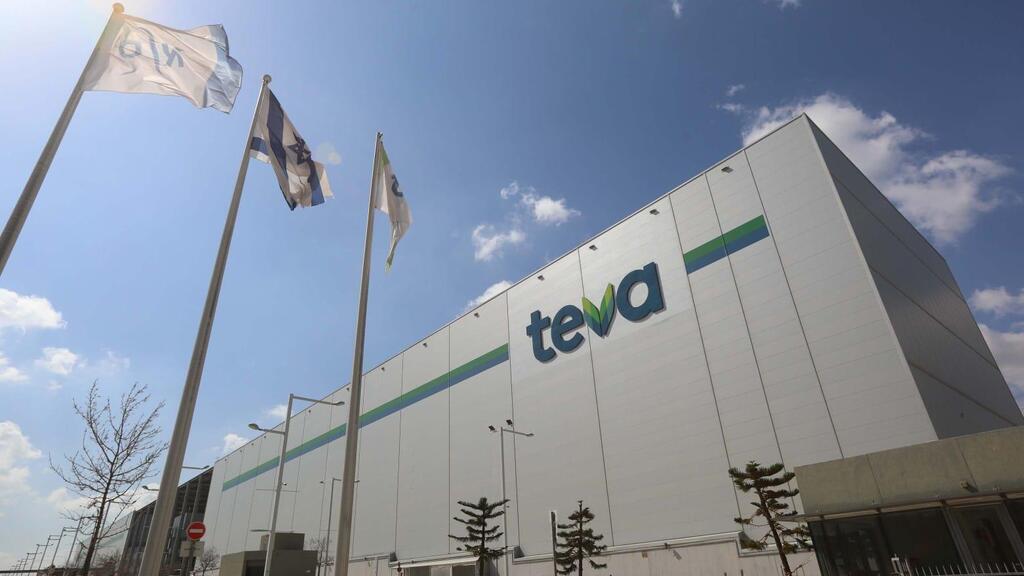
Teva office building
(Photo: Sivan Faraj)
Teva will obtain U.S. commercialization rights to ETICOVO when the transaction closes, expected by the end of 2026, subject to regulatory approval and other customary conditions. However, the companies have not announced when Teva will begin selling the drug in the United States. Rights to infliximab-abda will transfer in the third quarter of 2027. Samsung Bioepis will continue manufacturing both medicines and overseeing regulatory matters.
The companies did not disclose the deal's total value. Teva will make an upfront payment over three years, while Samsung Bioepis could receive additional payments tied to product launches and sales targets. The partners will also share profits from U.S. sales.
Infliximab-abda received U.S. Food and Drug Administration approval in 2017 for several conditions, including Crohn's disease, ulcerative colitis, rheumatoid arthritis, psoriatic arthritis and plaque psoriasis. ETICOVO was approved in 2019 for diseases including rheumatoid arthritis, juvenile idiopathic arthritis and psoriasis, but is not currently available on the U.S. market.
Biosimilars are medicines developed to be highly similar to previously approved biologic drugs, which are typically manufactured using living cells. They are intended to offer additional treatment options in a market where complex biologic therapies play an important role in managing long-term illnesses. Both products carry significant safety warnings, including risks of serious infections and reports of certain cancers, and require appropriate medical oversight.
"This agreement strengthens our collaboration with Samsung Bioepis and will expand our U.S. immunology portfolio with two additional biologic treatment options," Teva president and CEO Richard Francis said. He described biosimilars as an important part of the company's "Pivot to Growth" strategy, which aims to strengthen its medicine portfolio and broaden patient access.
Samsung Bioepis CEO Kyung-Ah Kim said the partnership would combine her company's biologic drug development and manufacturing expertise with Teva's established commercial network in the United States. She said the companies aimed to maintain treatment continuity for patients using infliximab-abda while making another approved option available.
The agreement follows several earlier collaborations. In 2025, the companies announced a U.S. deal for EPYSQLI, a biosimilar to Soliris. This year, they also announced a Canadian agreement involving OPUVIZ, an aflibercept product, and a separate global partnership covering the development and commercialization of up to six potential biosimilars, including candidates referencing Fasenra and Ilaris.
The latest deal extends Teva's expansion into biosimilars, but its U.S. commercial impact will depend on regulatory clearance, launch timing and market uptake. The companies have yet to specify when ETICOVO will reach U.S. patients or how much revenue the two products could generate.