

Israeli desalination firm IDE Technologies, headed by Chief Executive Avshalom Felber, allegedly used a Swiss front company to bypass official boycotts imposed by Arab and Muslim states that do not have diplomatic relations with Israel, according to information obtained by Calcalist.
IDE has reportedly been using the arrangement for more than a decade to compete in tenders in countries such as Saudi Arabia, Pakistan and Kuwait. The company allegedly acted through a Swiss-owned intermediary that bid on contracts while concealing IDE’s Israeli identity and role in providing the technology and execution of the projects.
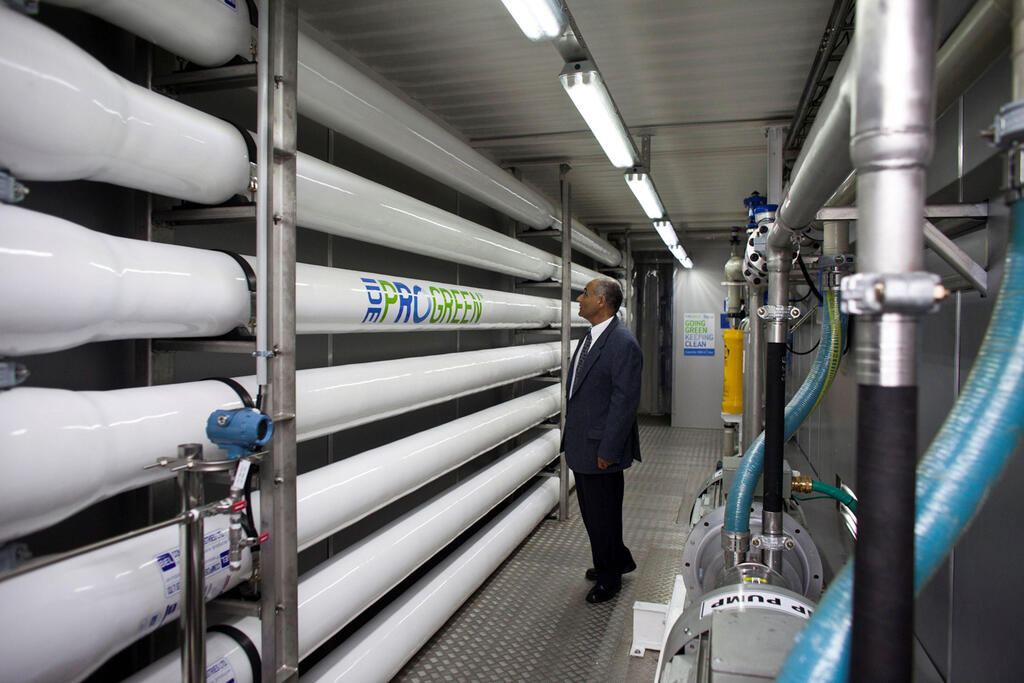
The reported activity, which generated tens of millions of dollars in revenue per project, has led to a legal dispute between IDE and the Swiss company Swiss Water (SW). Both parties have filed claims against each other in a commercial arbitration court in England.
IDE develops, engineers, builds and operates water desalination plants. Until 2019, the Delek Group held a 50 percent stake in the company, later selling it in two stages to Alfa Water, a limited partnership managed by Felber, in a deal valuing IDE at $406 million.
According to Delek’s past filings to the Tel Aviv Stock Exchange, about half of the global desalination market is located in the Middle East and North Africa (the MENA region). Because many of these countries do not maintain diplomatic ties with Israel and some formally boycott Israeli firms, IDE is effectively blocked from competing in a large portion of the market.
Swiss Water claims, and sources confirmed to Calcalist, that IDE found a way to circumvent the boycott by using what it described as a “white label” structure — a front company that masks the original supplier. The Swiss firm said Felber was the driving force behind creating and implementing this model.
Under agreements between the companies, SW was allowed to operate in a list of “prohibited countries,” which included Qatar, Kuwait, Saudi Arabia, Yemen, Libya, Algeria, Tunisia, Afghanistan and Pakistan. The restricted list initially also covered countries that had no formal diplomatic relations with Israel before the 2020 Abraham Accords: the United Arab Emirates, Bahrain, Sudan, Oman and Morocco.
According to the Swiss company, Felber and several Swiss partners created multiple legal entities that jointly held ownership rights. In tenders involving the “prohibited countries,” SW alone submitted bids, while the Israeli role was hidden from clients.

(Photo: IDE Technologies)
Swiss Water reportedly signed contracts worth tens of millions of dollars per project in several of these countries, with IDE supplying the technology and building the plants. Among the projects were the Red Sea desalination project in Saudi Arabia — one of the largest in the Middle East — the Great Arabian Sea project in Pakistan, two projects in Kuwait and two in Oman before the signing of the Abraham Accords.
IDE and Felber denied any wrongdoing.
“Like many multinational Israeli companies, IDE operates in international markets according to the strictest standards,” the company said in a statement. “The dispute with the Swiss company is a business disagreement currently being arbitrated in England, following a claim IDE filed against it.
“We note that the Swiss company is on the verge of insolvency and has filed a baseless counterclaim. The allegations in their filing are entirely false — mere claims intended to exert illegitimate pressure to obtain funds to which they are not entitled.
“We are also aware that certain interested parties in Israel are cooperating with the Swiss side, including financing of the claim by the Mor investment house, all with the aim of undermining IDE’s chances in future desalination tenders.”
In a statement through its attorneys Gideon Even-Or of AYR Law Firm and Yossi Haezrachi of Yossi Haezrachi & Co., Swiss Water said:
“It is strange that the first thing IDE chose to do after receiving our arbitration notice was to run the case through the press. Given IDE’s conduct, which has trampled on our client’s rights, we will continue to assert our claims before the proper authorities, not through the media.”