

The share of young Israelis without an upper secondary education rose from 9% in 2015 to 11% in 2025, according to the OECD’s Education at a Glance 2026 report, published Tuesday. The proportion of young people neither studying nor working climbed from 17% to 20%, the largest increase among developed countries, even as the OECD average fell to 13%. Government funding for higher education in Israel is roughly half the OECD average, while the pay gap between teachers and other university graduates has nearly doubled.
Among Israelis aged 25–34, the share without an upper secondary education rose from 9% in 2015 to 11% in 2025. Across the OECD, the trend moved in the opposite direction, with the average falling from 17% to 12% over the same period. Only five developed countries recorded an increase, with the largest rises seen in Israel and Slovakia.
The consequences are significant. Israelis aged 25–34 without an upper secondary education earn 72% of the wages of those who completed high school, compared with 87% on average across developed countries.
Young people who are neither in education, employment nor training, known as NEETs, pose a major policy challenge because prolonged periods of inactivity at a young age can have lasting effects on integration into the labor market and society. They are also at greater risk of involvement in crime.
In Israel, the share of 18- to 24-year-olds who are neither studying nor working rose from 17% in 2015 to 20% in 2025, placing the country between third and fifth among 33 countries for the size of its NEET population. Across OECD countries with available data, the average fell from 16% to 13% over the same period. Israel’s three-percentage-point increase was the largest among developed economies.
OECD spends more than twice as much on higher education
Government participation in the cost of higher education institutions across the OECD is almost twice as high as in Israel, despite the role higher education plays in economic development.
In 2023, public spending per university student in Israel stood at $7,885, adjusted for purchasing power, compared with an OECD average of $16,405. Israel ranked fifth from the bottom among 33 countries.
Government funding accounted for only 38% of Israel’s total annual spending on higher education, compared with 68% across developed countries. Israel ranked third from the bottom in the government share of higher education costs.
The share of Israeli men aged 25–34 with a university education remained unchanged at 36% between 2015 and 2025. Across the OECD, the figure rose from 34% to 43%, leaving Israeli men well below the average.
Among women aged 25–34, 57% in Israel hold an academic degree, compared with an OECD average of 56%. Israel’s gender gap, at 21 percentage points, is considerably wider than the OECD average of 13 points.
OECD’s most crowded public primary classrooms
Israel also remains at the bottom of the OECD in government participation in the cost of early childhood education for children aged 0–2.
Government spending per child in 2023 was $1,482 a year, just 9.8% of the OECD average of $15,067 among countries with available data. Britain, the second-lowest spender, allocated more than twice as much as Israel, at $3,093 per child.
The figures nevertheless represent a slight improvement from the previous report, based on 2022 data, when Israel spent $1,206 per child, or 8.6% of the developed-country average of $13,993.
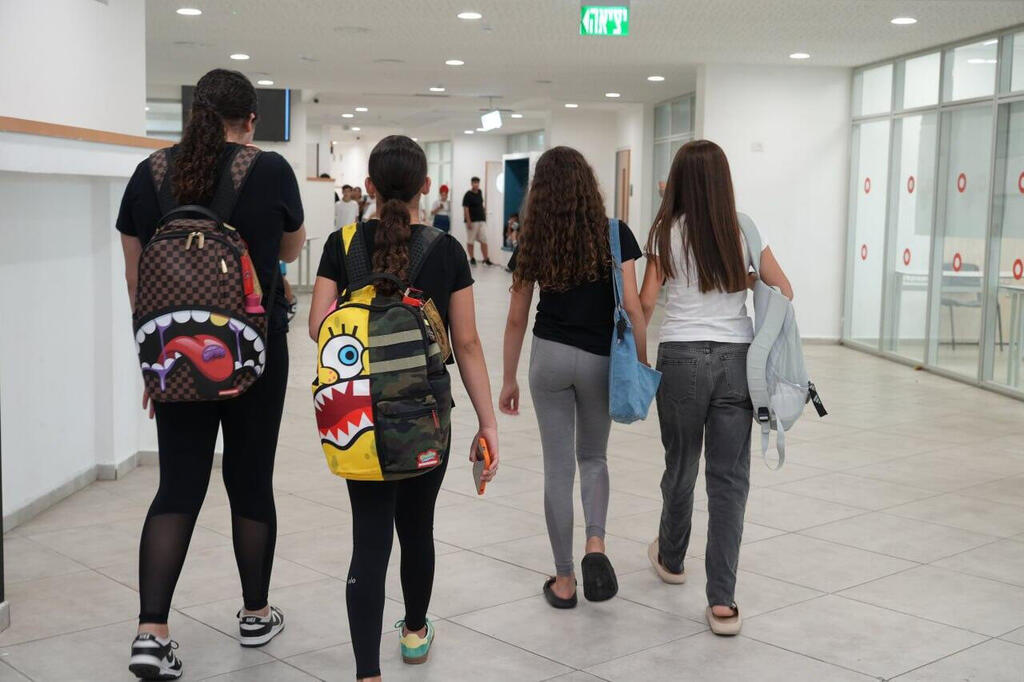
12th-grade students in a high school
(Photo: Tomer Shunem Halevy)
Israel also has the OECD’s most crowded classrooms in public primary education. Across all Israeli primary schools, public and private, the average class has 27 pupils, compared with an OECD average of 21, putting Israel second among 33 countries after Chile.
In public primary schools alone, the average is 28 pupils per class, the highest in the OECD. At the lower secondary level, Israeli classes average 30 students, compared with 23 across developed countries, placing Israel third among 32 countries.
Pay gap between teachers and other graduates doubles
For years, one of the figures frequently cited by the Finance Ministry in debates over teacher salaries was how their pay compared with that of other university graduates.
Until the 2025 edition of the report, which used 2022 data, Israel performed relatively well by that measure. Primary school teachers earned 86% of the salary of other workers with higher education, compared with an OECD average of 83%, placing Israel seventh among 25 countries with available data.
In the 2026 report, based on 2023 figures, that ratio fell sharply to 73%. This happened even though the average annual salary of an Israeli primary school teacher rose from $53,316 to $57,400.
The OECD attributed the dramatic change to rising salaries among university graduates in Israel, an unusually large share of whom work in the technology sector. No methodological change was reported.
At the same time, the average teacher salary across developed countries rose to 87% of the earnings of other graduates. Israel therefore moved from three percentage points above the OECD average to 14 points below it, a relative shift of 17 percentage points.
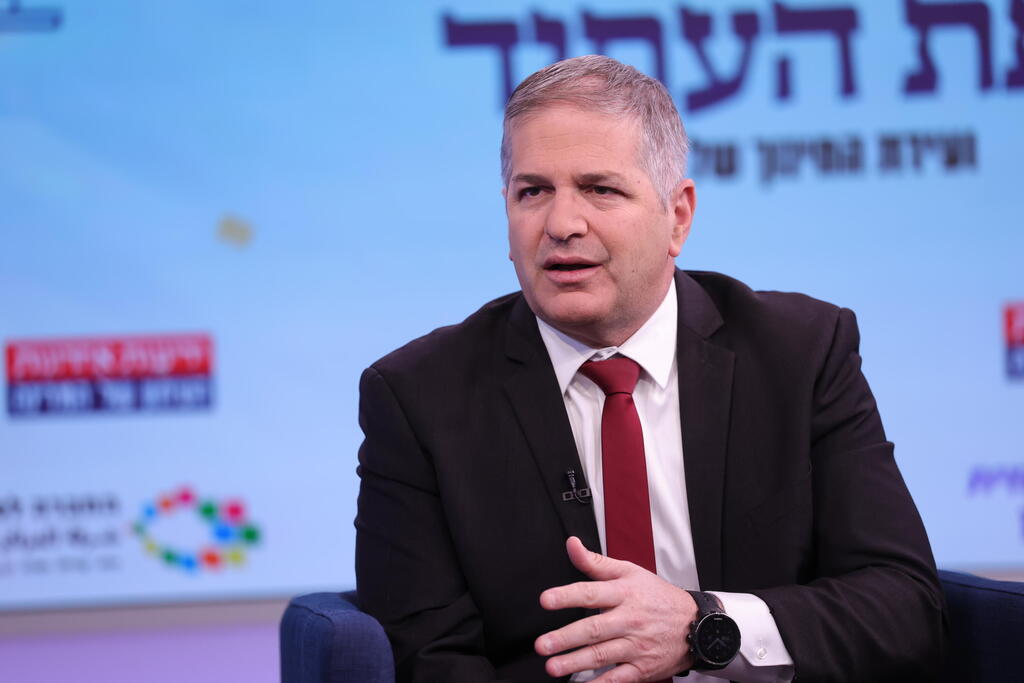
Education Minister Yoav Kisch
(Photo: Oz Moalem)
The pay gap between teachers and other university graduates in Israel doubled from 14% to 27%, placing the country fifth from the bottom among 26 countries with available data.
The Israeli school principals’ organization Manhigim said the findings were another warning sign for the education system.
“The OECD figures are another warning light for Israel’s education system. When more young people remain outside education and employment, and the gap with OECD countries continues to widen, we cannot continue running every school in Israel in the same way and from a distance,” the organization said. “It is time to genuinely decentralize authority to school principals and give them the tools and flexibility to develop tailored solutions before more students fall through the cracks.”
Rotem Getterida, chair of Israel’s National Student and Youth Council, said the new figures showed an urgent need for greater investment in education.
“The upcoming elections are an opportunity to put formal and informal education at the center,” she said. “We want to see not only promises about grades and achievement, but a plan that empowers and recognizes every student emotionally, socially, as a citizen and in terms of well-being.”