


Six hundred days after the Hamas-led massacre on Oct. 7, residents of southern Israeli communities near the Gaza border continue to suffer from widespread economic hardship, emotional distress and employment instability, according to a new survey released Sunday.
The poll, conducted by the Forum for Homecoming, a coalition representing the 11 communities hardest hit in the attack, found that about 30% of residents are currently unemployed—nearly half of them due to psychological trauma. Only 45% of respondents reported working full time, down from 70% before the war.
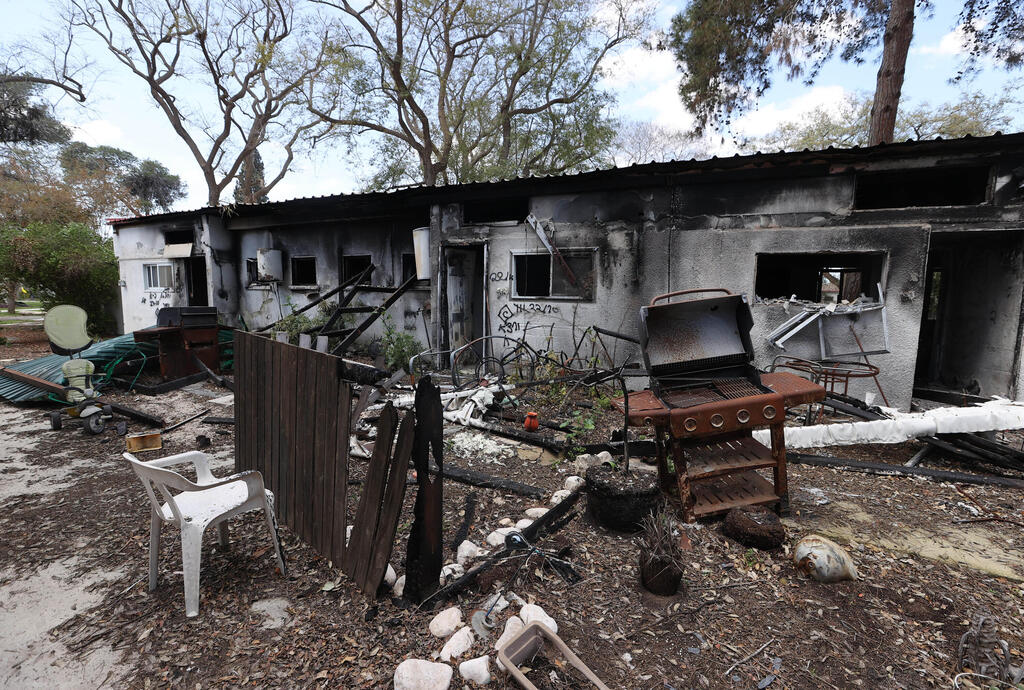
The survey of 585 residents from communities including Be’eri, Nir Oz, Nahal Oz, Kfar Aza and Netiv HaAsara, revealed that most families are still displaced. Only 24.3% have returned to their homes, while 73.3% are living in temporary housing, and others remain in hotels or with relatives. Among those still displaced, less than half said they plan to return when possible. More than 12% said they would not go back, and 42.4% were uncertain.
“The economic and employment situation requires immediate solutions,” said Eden Bizman, CEO of the Forum for Homecoming. “The fact that many residents do not know if they will return home is especially troubling.”
Residents reported sharp increases in living expenses. About 60% said their costs had risen significantly since the war began, particularly in essential categories such as food (74.6%), transportation (60.1%) and healthcare (40.3%). Other areas of concern included family support, housing, education, personal security and debt payments.
Economic anxiety has spiked, with more than 70% of residents saying they feel greater financial stress than before the war. About 42% described the increase in anxiety as “significant.”
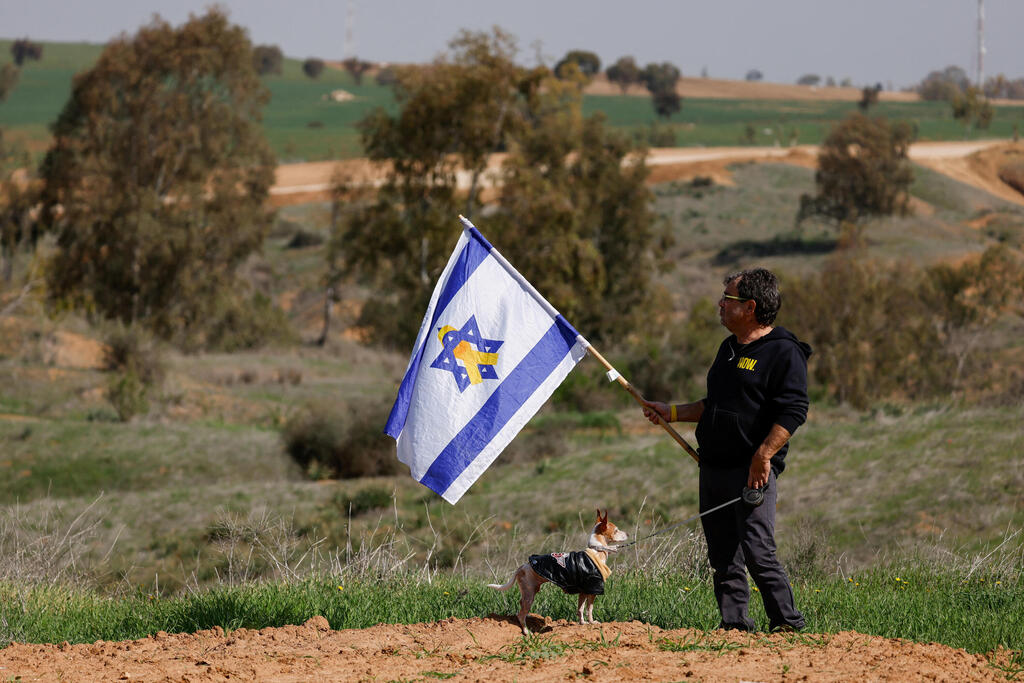
(Photo: Reuters)
Among those unemployed, 45.2% cited emotional or psychological reasons. An additional 10% lost their jobs due to damaged or destroyed workplaces, while others were laid off or placed on unpaid leave. Nearly 18% said family obligations, such as child care, prevented them from working.
Since the war began, 6.5% of residents have already changed professions, and more than a quarter—26.1%—plan to do so.
Get the Ynetnews app on your smartphone: Google Play: https://bit.ly/4eJ37pE | Apple App Store: https://bit.ly/3ZL7iNv
The survey also highlighted urgent community needs. About 26% of respondents said creating jobs should be a top priority. Others called for new industrial zones (15.5%), support for small businesses (15.7%), incentives for young couples to relocate (14.7%) and aid for local farms (10.9%).
Bizman emphasized that economic recovery cannot be complete until the remaining hostages held by Hamas are returned.
“The greatest need for every resident is the return of their friends and family from Hamas captivity—bringing the living back to their families and the dead to burial,” he said. “No form of economic assistance can truly rebuild these communities without their return.”