

When people think about buying a home in Israel, they often assume it means an immediate move. According to Ayala Lublin, a certified credit officer at the Bank of Jerusalem, that assumption no longer reflects reality for many buyers. “In recent years, we see many people purchasing property without planning to live in it right away,” Lublin said. “The home represents something broader than immediate housing.”
Lublin works with buyers who view property ownership as a long-term decision tied to identity, family planning and future flexibility. For these buyers, purchasing a home in Israel is about creating options rather than making an instant transition. “Some people want to know that they have a place here,” she said. “Even if they are not ready to use it yet.”
Ayala Lublin, Interview
(Fotage: Yaron Brenner)


In some cases, properties are purchased and rented out. In others, apartments remain empty, held for future use. Lublin said motivations vary, but the underlying theme is long-term thinking. “Buying property can be part of a bigger plan,” she said. “It gives people a sense of security.”
Family considerations play a major role. Some buyers acquire more than one property to ensure housing options for children or extended family members down the line. Others focus on specific cities or neighborhoods because of community ties rather than proximity to work.
“These decisions are often about belonging,” Lublin said. “People want to be near communities that feel familiar.” That focus has shaped where buyers choose to purchase. While major cities like Jerusalem and Tel Aviv remain popular, Lublin said interest has grown in areas that offer strong community life and future potential. “Places like Beit Shemesh, Kiryat Gat, Givat Ze’ev and Tzfat have become more attractive,” she said. “Not just because of pricing, but because of the environment.”
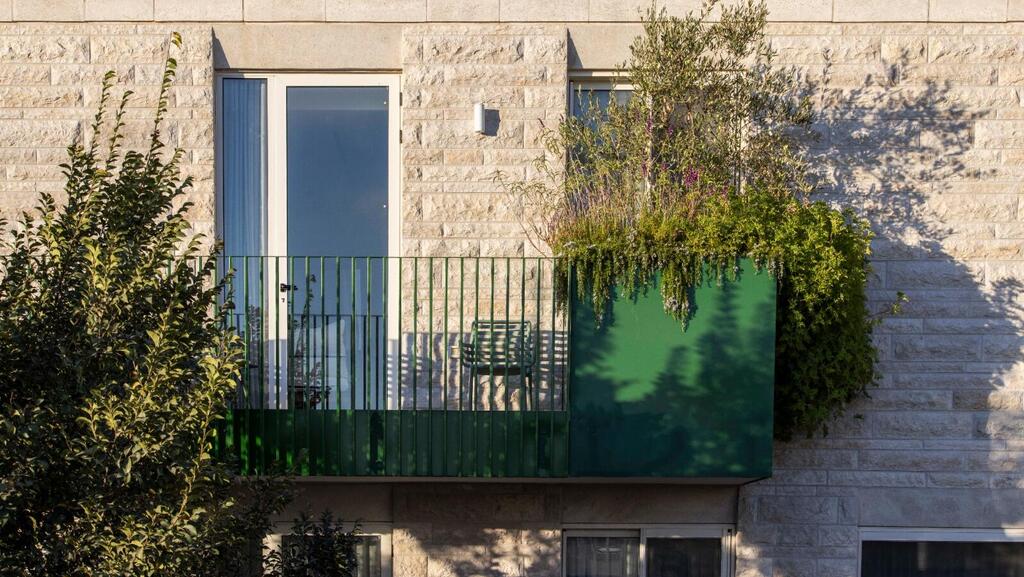
'When you have lived through change, having a place that feels secure matters', Nahlaot, Jerusalem
(Photo: Nimrod Levi)
For these buyers, the home is less about daily convenience and more about long-term presence. The decision is often influenced by a desire to maintain a tangible connection to Israel, regardless of where life currently unfolds. Lublin said global uncertainty has also played a role in shaping this mindset. Many families are thinking further ahead than they once did. “People are planning for different possibilities,” she said. “Owning property gives them flexibility.”
This approach changes how buyers think about mortgages. Instead of focusing solely on monthly living costs, they consider sustainability over time and the ability to maintain ownership even without immediate occupancy. “The mortgage still has to make sense,” Lublin said. “But the purpose of the home is different.” She emphasized that these purchases are not impulsive. On the contrary, they often involve careful planning and a long-term horizon. “These buyers are thinking years ahead,” she said.
 Ayala Lublin, Ban of JerusalemPhoto: Bank of Jerusalem
She believes this trend reflects a broader shift in how people relate to property in Israel. Homes are not only places to live, but symbols of continuity and preparedness. “Real estate has become part of how people plan for the future,” she said.
For buyers considering this path, Lublin said clarity of purpose is essential. “You need to understand why you are buying,” she said. “That shapes every other decision.” In an increasingly complex world, she said, owning a home in Israel offers more than shelter. “When you have lived through change, having a place that feels secure matters,” she said.
*In collaboration with Bank of Jerusalem
* Failure to meet loan repayment obligations may result in penalty interest and legal enforcement procedures according to the Bank's terms at the
First published: 09:53, 02.02.26