

The shekel strengthened on Wednesday as the dollar slid to its lowest level against the Israeli currency in nearly four years, driven by heavy foreign currency inflows and a broader global weakening of the U.S. currency.
After the Bank of Israel set the dollar’s representative rate on Tuesday at 3.19 shekels, the U.S. currency fell further in morning trading to around 3.18 shekels, its weakest level since March 2022. The euro also declined, trading at about 3.75 shekels.
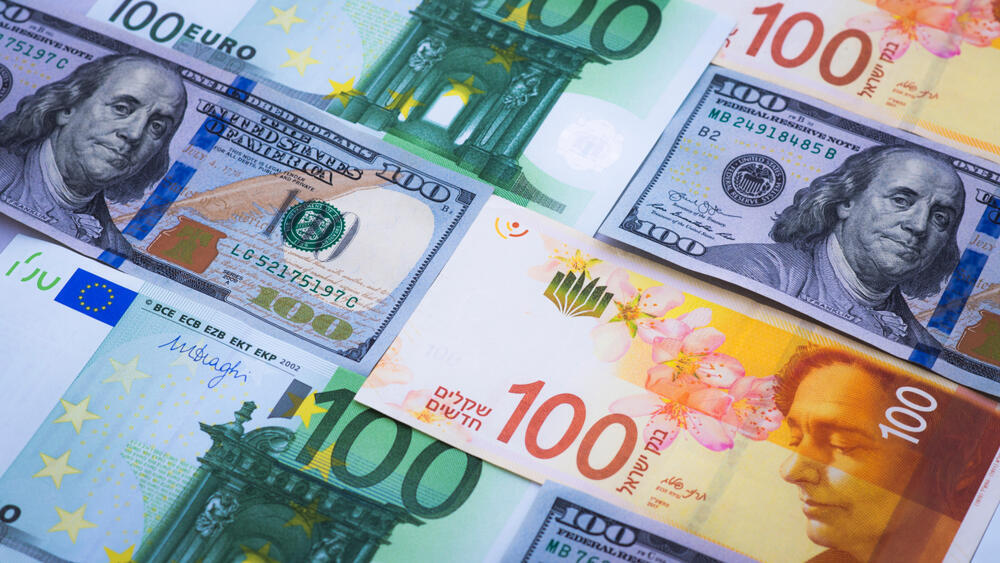
(Photo: Shutterstock)
The move came a day after data showed the U.S. economy grew at an annualized rate of 4.3% in the third quarter, the fastest pace in two years and well above forecasts of 3.3%. The release of the figures was delayed by a 43-day U.S. government shutdown. Growth in the second quarter stood at 3.8%.
Joe Fraiman, CEO of Prico Group, said the dollar’s continued weakening against the shekel was expected and supported by substantial foreign-currency supply.
“Large foreign-exchange sales are coming both from the business sector, carrying out year-end financial activity, and from exporters and institutional investors,” Fraiman said. “Toward the end of the year, when ‘window dressing’ activity intensifies, many institutions operate on a significant scale as part of preparations for the new financial year and to improve the appearance of their financial statements.”
He said positive trends in global equity markets, alongside substantial inflows of foreign capital into Israeli investments, combined with exporters’ foreign currency sales, are creating a pronounced surplus of supply that is pushing the shekel higher.
“The strengthening of the shekel against the dollar aligns with the global trend, in which the dollar continues to weaken against major currencies,” Fraiman said.
He added that gains in gold and other precious metals, which he said could rise further toward $4,800 an ounce, reflect growing concerns over instability in sovereign bond markets.