

The possibility that the war may soon end — this time appearing more serious and likely than before — could mark a turning point for Israel’s economy. Companies, businesses, households, the families of reservists and, of course, the state budget, all badly hit by the prolonged fighting, are expected to recover and signal better years ahead.
If Hamas and Israel align with U.S. President Donald Trump’s vision for a near-term end to the war, Israel could enter a period of economic growth unseen in years.

Here are 10 key changes that could reshape Israel’s economy following the return of the hostages and the release of reserve soldiers:
1. Tel Aviv Stock Exchange: Positive momentum
Even during two years of war, the stock market showed surprising gains. A ceasefire could push trading sharply higher, driven by renewed optimism and stability. If fighting truly stops, trade ties with Israeli companies are expected to resume, boycotts may be lifted and even defense exports and imports could expand.
2. The shekel: Continued strengthening
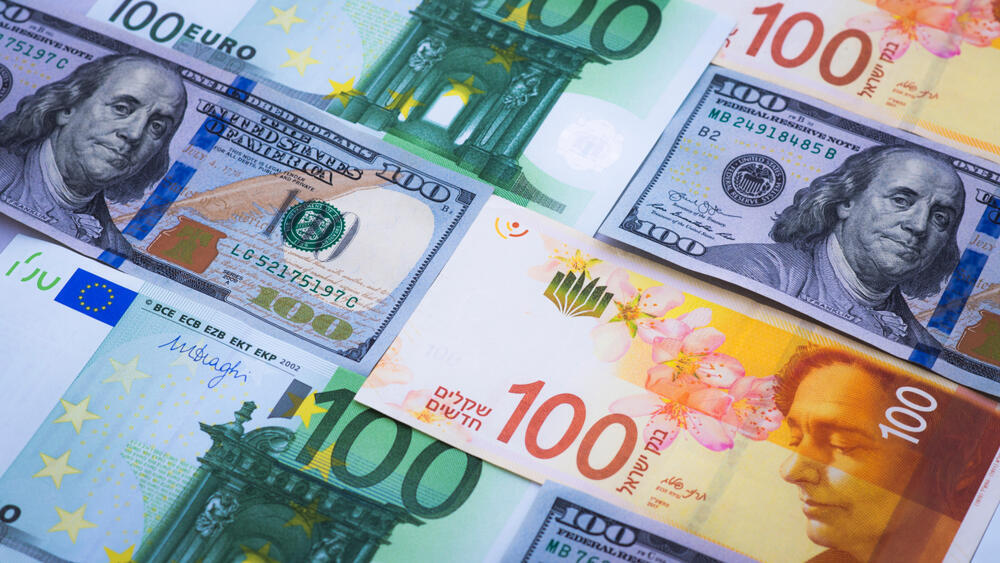
The turnaround in currency trading began late last week, with the dollar falling below 3.30 shekels (3.29) — its lowest in three years — and the euro dropping to 3.87. While no official exchange rates will be set today, analysts expect the shekel to strengthen further once trading resumes Monday.
(Photo: Shutterstock)
3. Credit rating: No further downgrade
Credit rating agencies had been close to issuing another downgrade — a third by some, a fourth by Moody’s — since the war began. A ceasefire would likely halt those plans and help maintain Israel’s borrowing terms in global markets.
4. Military spending: Sharp decline
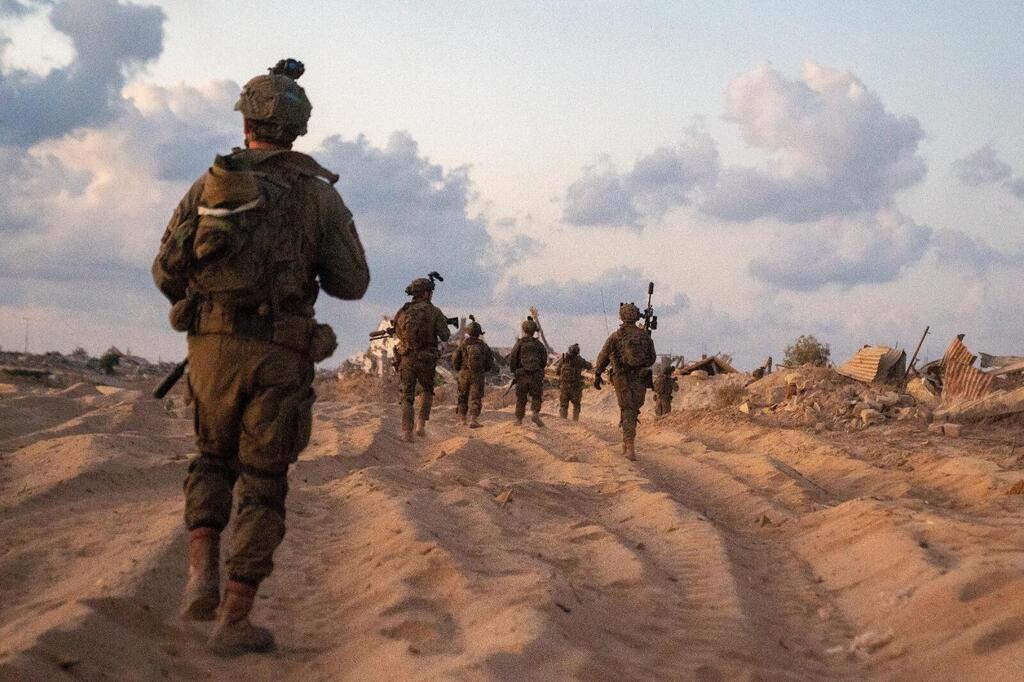
The war has so far cost the economy an estimated 330 billion shekels ($100 billion) — more than half the revised 2025 state budget of 650 billion. Each day of combat during Operation Gideon’s Chariots II cost roughly half a billion shekels. Ending the fighting would cut daily military expenses by about half, as reservists return home and expensive munitions use ends.
5. Defense budget boost: Could be halted
A ceasefire would give the Finance Ministry grounds to reject the army’s request for an additional 20 billion shekels. Even the 2–4 billion already agreed upon in principle for the 2025 budget could be reconsidered.
IDF forces operating in Gaza
(Photo: IDF)
6. Private sector: Gradual recovery
As reservists are released, tens of thousands of employees will return to work, allowing the business sector to rebound after widespread disruption from mass mobilizations during the Gaza campaign.
7. Budget deficit: Expected to shrink
The deficit, recently raised to 5.2% and feared to approach 6% by the end of 2025, is projected to narrow once the war ends and tax revenues recover.
8. Planned austerity measures: May be scrapped
Ending the war and stabilizing the deficit would eliminate the need for painful 2026 budget cuts in education, health care and welfare. Infrastructure projects could resume, and further tax hikes may be postponed.

Bank of Israel Governor Prof. Amir Yaron
(Photo: Alex Kolomoisky)
9. Interest rates: Likely to fall
The Bank of Israel, which has maintained caution to contain inflation, could follow the U.S. Federal Reserve’s lead and lower the benchmark rate for the first time in nearly two years — by a quarter point, to 4.25%, as soon as next month.
10. Investors: Returning to Israel
Foreign companies that delayed or froze investments are expected to resume them gradually, releasing billions of dollars back into the Israeli market. Economic and trade boycotts may fade, with the defense and high-tech sectors poised to benefit most.
Even if only part of these ten developments materialize, Israel’s economy is set to surge in 2026. Forecasts by the Bank of Israel and the Finance Ministry would likely be revised upward, growth would accelerate and the debt-to-GDP ratio — which has risen during the war — would begin to decline.