

The Knesset is expected to approve an additional nearly 31 billion shekels in funding for the Israeli military, with nearly all — 29.8 billion shekels— earmarked for defense. The increase responds to the prolonged fighting in Gaza, unexpected costs during Operation Rising Lion, and the IDF’s budget overrun.
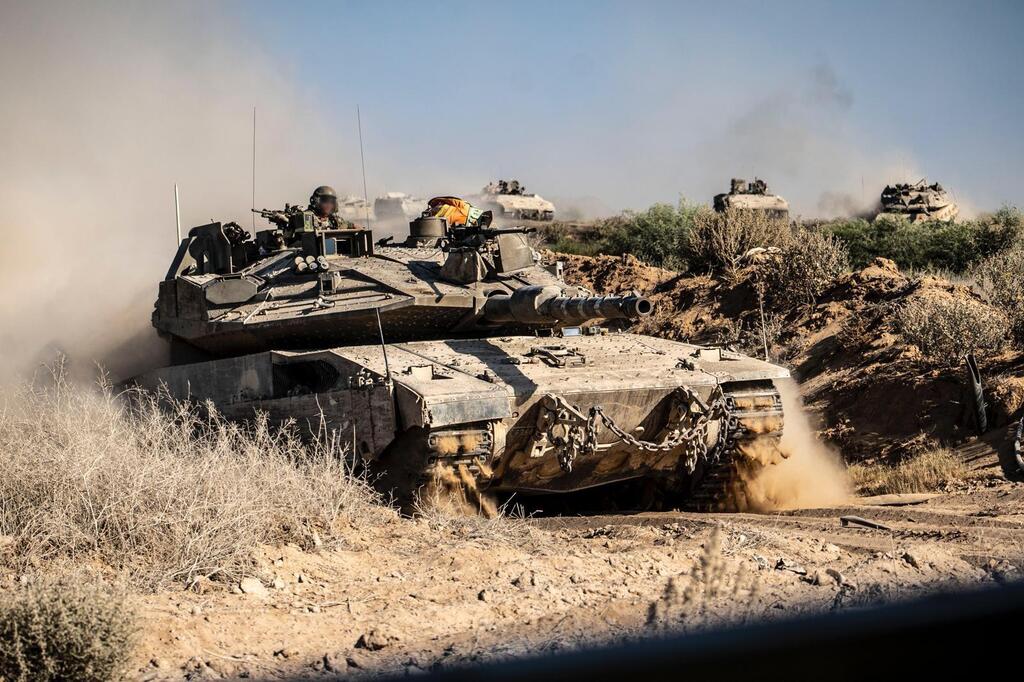
However, a budget dispute continues between the Finance Ministry and the IDF over Operation Gideon's Chariots II tank program. According to Calcalist, the military is demanding an additional 20 billion shekels for the program, including 8 billion shekels in 2025, while the Finance Ministry is reportedly willing to allocate only 4 billion shekels this year.
Finance Minister Bezalel Smotrich told the Knesset Finance Committee that the IDF’s request “does not make sense,” noting that the 2025 budget already assumed three months of heavy fighting in Gaza, which did not occur due to a hostages’ deal. Nonetheless, Finance Ministry officials are reportedly flexible and may approve the 4 billion shekels allocation.
Smotrich said he expects the 4 billion shekels to be manageable without reopening the budget but emphasized the need for speedy negotiations so any additional funding could be brought to the Knesset alongside the current increase. He criticized the IDF’s approach as attempting to “demand a high price” but said the military “will not face fools across the table.” He added that after Operation Rising Lion, the IDF requested an additional 60 billion shekels–100 billion shekels.
Tensions between the Defense Ministry and Finance Ministry are expected to continue for years. Since October 7, the defense establishment has gained stronger bargaining power, and Prime Minister Benjamin Netanyahu signaled his intention to be generous toward defense funding. Netanyahu emphasized Israel’s need for domestic weapons production and urged bureaucrats to “cut red tape.” Top Finance Ministry officials reportedly could not identify any specific delayed project linked to regulations.
The Finance and Defense ministries frequently clash not only over overall defense budgets but also over oversight of expenditures. Last year, the State Comptroller’s Office warned that the IDF exceeded its budget by tens of billions, a possibility enabled by the military’s independent procurement mechanism. Netanyahu may have asked the comptroller to be more lenient with budget deviations, though legally, he could increase the budget through a parliamentary majority.
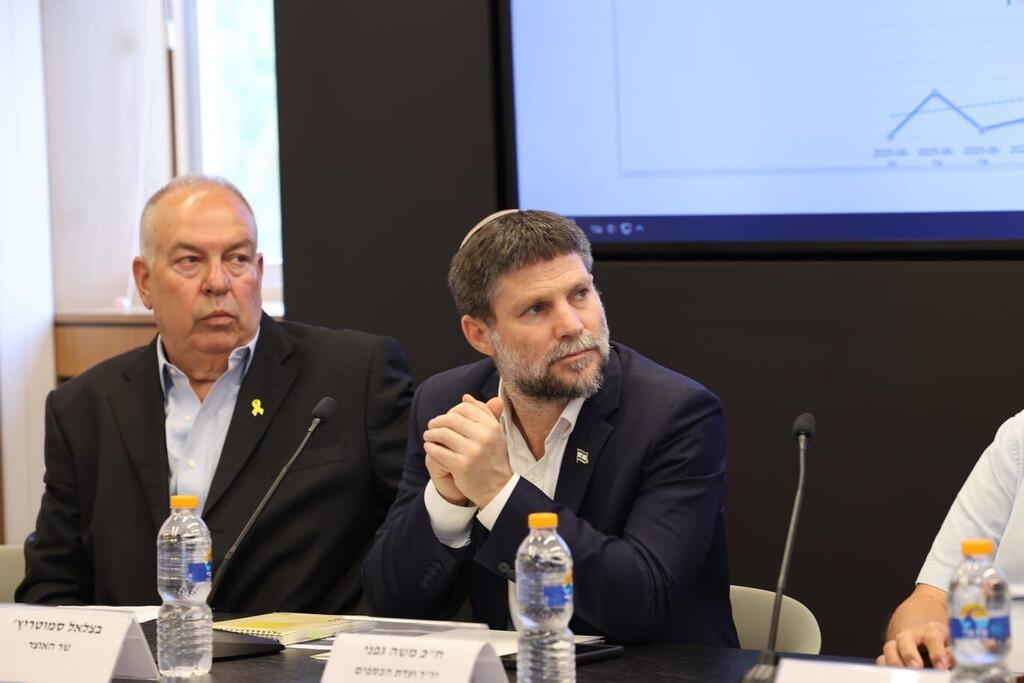
Finance Minister Bezalel Smotrich
(Photo: Miri Shimonovitz)
Recently, Netanyahu referenced “underground and subterranean” projects, likely involving costly underground defense infrastructure. Disputes persist over funding for protective measures in defense manufacturing facilities. While the Defense Ministry seeks dedicated funds, the Finance Ministry argues that companies like Rafael and Israel Aerospace Industries, which hold large orders and low debt, should fund the measures themselves.
Rafael said in a statement: “The company develops and produces critical means to protect Israeli citizens. Protective infrastructure is a nonproductive cost required by the state for security purposes and should be state-funded. Funding costly protective measures at Rafael’s expense, which are not required in competitive industries, would harm the company’s competitiveness.”
The Finance Ministry said the costs related to Operation Gideon's Chariots II are under review with the Defense Ministry. “The total cost depends on developments in fighting and different scenarios. Regarding 2025, we believe the current proposed Knesset addition is sufficient to address the current scenario.”