


Colombia’s new president, Abelardo de la Espriella, has reversed a decision by his predecessor, Gustavo Petro, and ordered the resumption of thermal coal exports to Israel. Petro halted coal exports to Israel in 2024 against the backdrop of the war in Gaza and his government’s increasingly hostile policy toward Israel.
De la Espriella said the ban had been an ideologically driven decision that harmed Colombia’s economy, employment and government revenue. According to the president, restoring coal exports to Israel is part of an effort to end what he called the “vetoes and ideological restrictions of the past,” which he said had damaged Colombia’s economy, legal certainty and international confidence in the country.
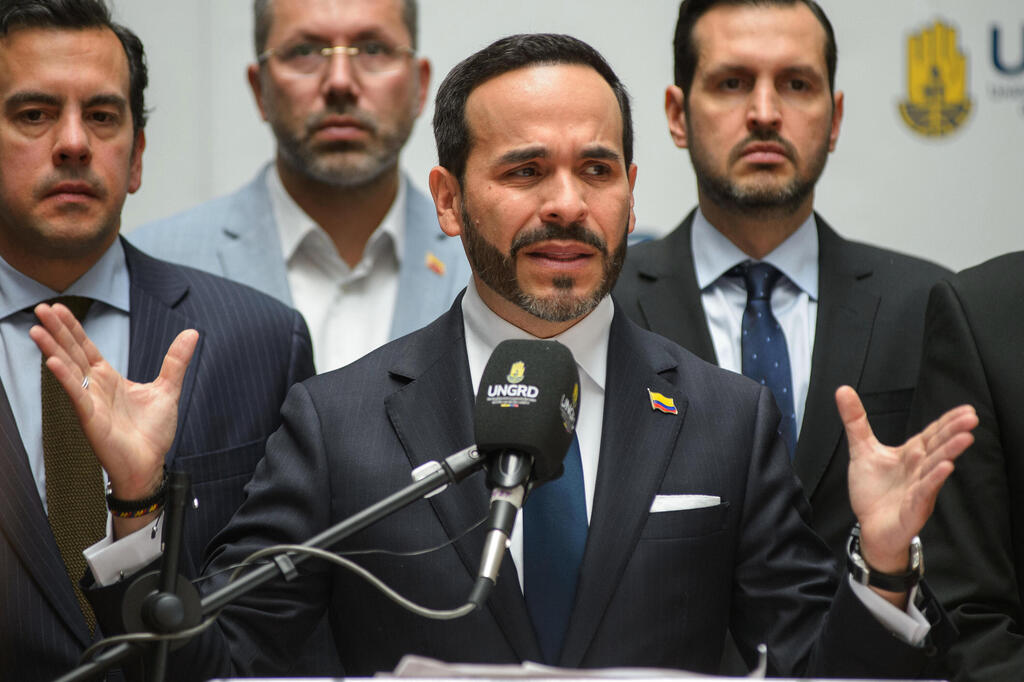
Colombia’s new president, Abelardo de la Espriella
(Photo: AP Photo/Sebastian Barros)
Israel had previously been a major destination for Colombian coal, purchasing hundreds of millions of dollars’ worth annually. With the restrictions now lifted, trade between the two countries is expected to resume.
De la Espriella said his government intends to “restore direction to Colombia” through economic decision-making, fiscal discipline and a reduced role for ideological considerations in international trade relations.
The move follows a series of decisions by Colombia’s new government aimed at rebuilding relations with Israel. These include the full and immediate restoration of diplomatic relations, the appointment of ambassadors, a decision to move Colombia’s embassy to Jerusalem and an agreement to work toward ending visa requirements between the two countries.
Colombia has also moved to restore the countries’ free-trade agreement, withdraw from South Africa’s case against Israel at the International Court of Justice and leave the Hague Group. The two governments have also agreed to deepen diplomatic, security and economic ties, marking a sharp reversal from the policies pursued under Petro.