


U.S. courts sentenced two Israelis to hefty prison sentences in the United States this week for separate multimillion-dollar fraud cases. Daniel Dadon, 49, formerly of New Jersey and now living in Israel, was sentenced to 41 months after pleading guilty to defrauding a federal COVID-19 relief program for small businesses, pocketing over $3.2 million.
U.S. authorities described it as a significant case among recent pandemic aid fraud investigations, with Dadon facing up to 40 years—30 years for bank fraud and 10 years for money laundering—but the court reduced his sentence.
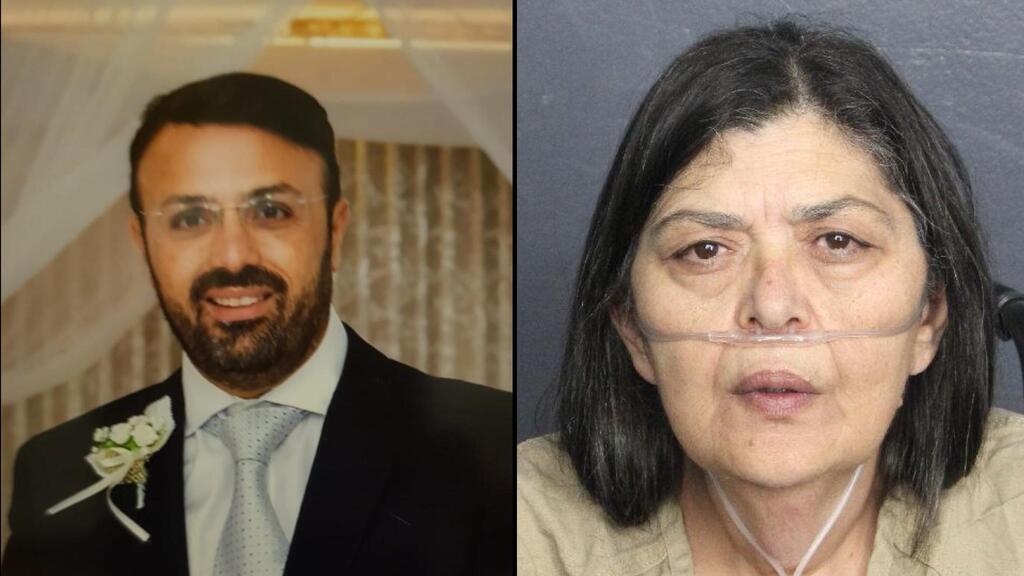
From April 2020 to August 2022, Dadon submitted false applications for Paycheck Protection Program loans for his New Jersey fashion, distribution and logistics businesses, inflating employee numbers and payroll expenses.
In one April 2020 application, he claimed 400 employees when fewer than 100 existed, securing a $2.1 million loan he transferred to another company he owned the next day.
In a separate case, Hava Yfrah-Austin, a 58-year-old accountant from Hallandale Beach, Florida, was sentenced to 51 months for bank fraud and false reporting in a $10 million embezzlement scheme.
Arrested in April 2025 at Miami’s airport just before boarding a one-way flight to Israel with an Israeli passport, she had sold all her Florida assets four months earlier. Since 2001, Yfrah-Austin managed accounts for two private Miami companies, with sole signing authority and access to their financial systems.

(Photo: Shutterstock)
Between 2018 and April 2024, she stole at least $10 million by creating fake vendors with names similar to legitimate ones, funneling funds through internal transfers disguised as external payments via QuickBooks, often routing money through an Alabama bank, making it a federal offense.
“I found numerous transactions I didn’t recognize as legitimate,” a Miami company owner said in a sworn affidavit, sparking the federal investigation that led to Yfrah-Austin’s conviction. Initially admitting to stealing $170,000, then $3 million more, evidence revealed a far larger theft.
Fired in April 2024, she sold her Florida assets by December and booked a flight to Israel with no return, indicating a planned escape, prosecutors said. Her sentence includes over $9.2 million in restitution and three years of supervised release.
The prosecution emphasized to the court that her actions constituted “systematic, sophisticated, multi-year theft.”