

Cybersecurity startup Glow emerged from stealth Wednesday with $180 million in funding at a $1.2 billion valuation, as investors bet on a new generation of artificial intelligence-powered security tools designed to protect corporate devices from rapidly evolving AI-driven threats.
The funding round was led by Sequoia Capital, Cyberstarts, Greenoaks and Redpoint Ventures, with participation from Index Ventures, Swish Ventures, Lux Capital and Holly Ventures.
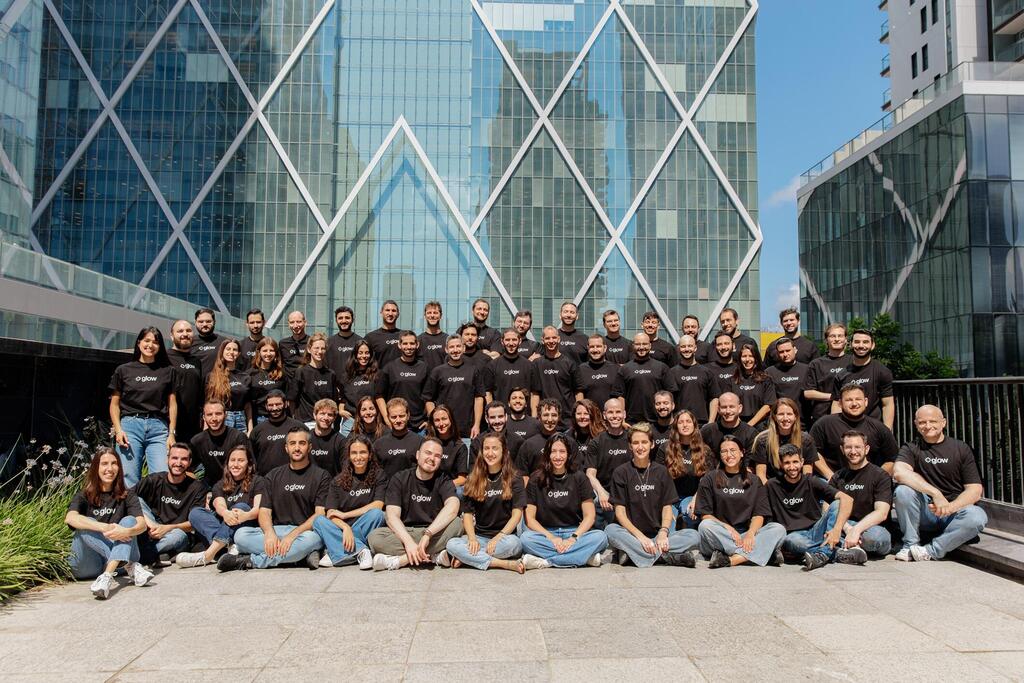
The company said the capital will be used to expand its U.S. sales and go-to-market operations and grow Glow Labs, its cybersecurity research division.
Glow was founded by executives from some of the technology industry's largest companies. CEO and co-founder Roi Tiger previously spent nine years at Meta, most recently serving as vice president of engineering. Co-founder and Chief Technology Officer Omer Singer was formerly Snowflake's head of cybersecurity strategy, while co-founder and Vice President of Research and Development Ophir Arie previously led R&D at Israeli cybersecurity company Claroty.
The executive team also includes Chief Product Officer Arnon Joseph, a former Meta senior product executive, and Chief Operating Officer Emily Heath, who previously served as chief information security officer at United Airlines and DocuSign and sat on the board of cybersecurity company Wiz until its $32 billion acquisition by Google.
Glow said its platform is designed around what it describes as a "prevention-first" approach to endpoint security, using AI agents to continuously monitor corporate laptops, desktops and other employee devices, automatically assessing risk and enforcing security policies before threats emerge.
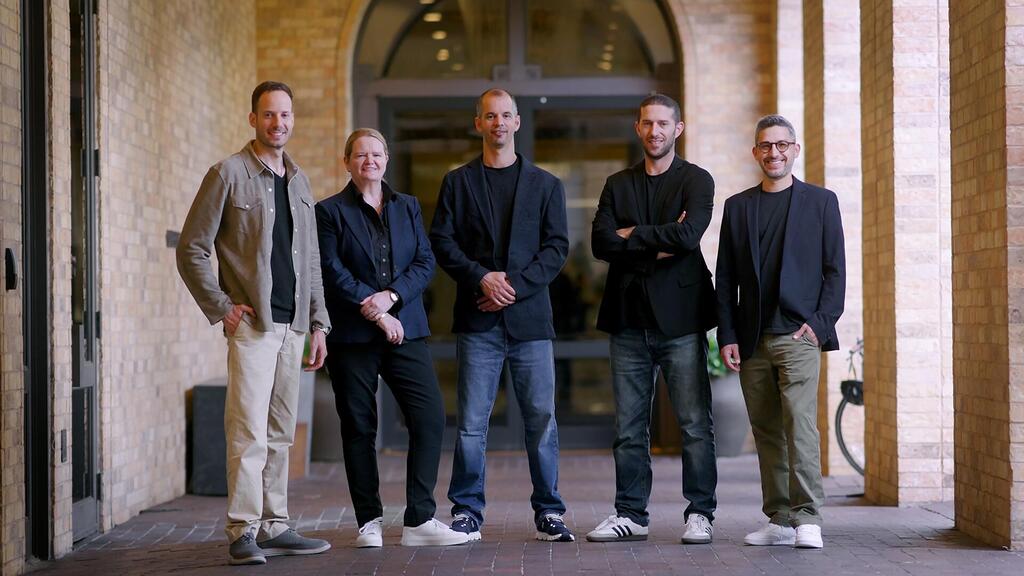
Glow leadership Omer Singer (CTO), Emily Heath (COO), Roi Tiger (CEO), Ophir Arie (VP of R&D) and Arnon Joseph (CPO)
(Photo: Glow)
The company argues that the rapid adoption of generative AI inside businesses has fundamentally changed endpoint security because employees are increasingly connecting AI assistants, autonomous agents and third-party AI applications to corporate systems, often faster than security teams can evaluate them.
According to Glow, regular use of AI tools on corporate devices — whether officially approved or not — has risen from about 15% to 45% over the past year.
The startup says existing endpoint security software was largely designed to detect or respond to attacks after they occur rather than prevent risky software or AI tools from entering enterprise environments in the first place.
"Prevention was always the right answer in security. It just never worked at enterprise scale without blocking the business," Tiger said in a statement. "AI solves that. The moment we saw what AI made possible, we knew the endpoint could finally be protected the way it always should have been."

Glow founders Omer Singer (CTO), Roi Tiger (CEO) and Ophir Arie (VP of R&D)
(Photo: Glow)
Glow said its platform uses specialized AI agents to map enterprise environments continuously, analyze software behavior in real time and automatically determine which applications should be allowed to run and which should be removed.
The company says the system is designed to reduce an organization's attack surface while allowing employees to adopt AI tools without creating new security risks.
"I sat in the CISO seat for a long time, and I can tell you the tools available to us were never built for what enterprises face today," Heath said. "Every enterprise wants to move faster with AI. The question isn't whether they'll adopt it—it's whether security can keep up. That's the challenge Glow is solving."
Cybersecurity has become one of the hottest sectors for venture capital investment as businesses race to secure AI-powered applications and infrastructure against increasingly sophisticated cyberattacks.
Glow said it has already signed enterprise customers across industries including healthcare, retail and financial services, though it did not disclose customer names or revenue figures.
Founded in 2025, Glow joins a growing wave of Israeli-founded cybersecurity startups attracting major funding rounds as investors increasingly focus on security technologies built specifically for the AI era.