

Are you saving receipts in a personal WhatsApp chat? The boss sends you to pick up catering, you purchase an urgent adapter to fix a client's technical issue, pay for parking during a meeting or simply work from home. Bureaucracy often leads to small, careless habits.
Here are seven common ways employees unknowingly pay for work expenses out of their own net income — and how to stop losing hard-earned money.

'Forget it, it's only $5'
You paid $5 or $10 for parking or a ride to a meeting and thought it was not worth the hassle of receipts and reimbursements? This is exactly how small expenses accumulate. Doing these two or three times a week can easily add up to $400 or $500 a year out of your own pocket.
The simple way to avoid this is to log every expense immediately using the company's designated app or at least take a photo and save it in a dedicated folder on your phone.
Stuffing receipts in your wallet until they fade
Did you keep a receipt for gas or coffee with a client in your wallet? After two weeks in a warm car, the thermal paper can fade completely. The result: an accumulated expense of $100 to $150 on gas or supplies that you will not get reimbursed for.
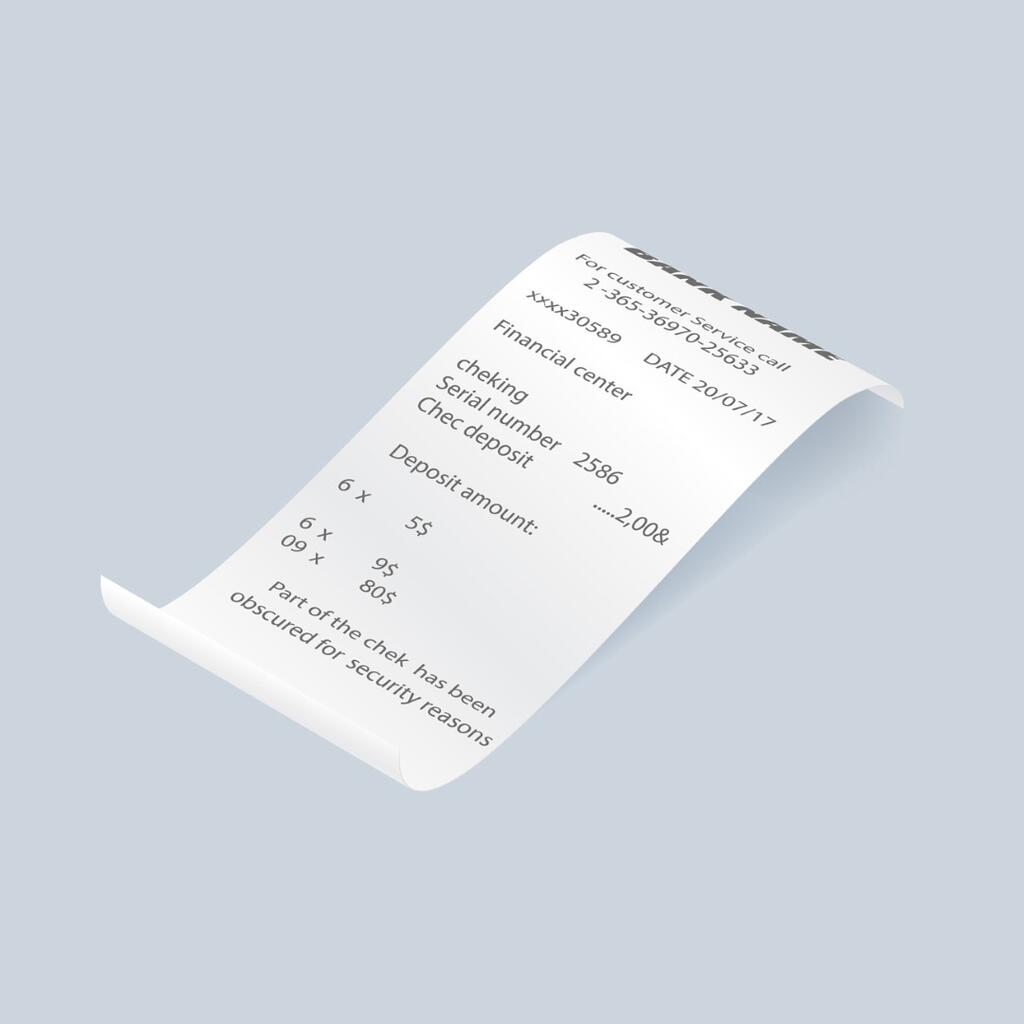
(Photo: Shutterstock)
The solution is to photograph the receipt as soon as you receive it and maintain a clear, accessible digital copy.
Using a personal credit card for office purchases
Many employees spend $100 to $300 a month on catering, office supplies or team gifts, and then wait for reimbursement in the next paycheck—or, in smaller organizations, until the petty cash manager arrives with enough cash to repay them. In the meantime, this creates a pinch in personal cash flow.
Therefore, if it is a recurring expense, it is best to request a corporate card or a dedicated digital budget rather than paying for it out of your own pocket.
Leaving online receipts buried in your inbox
Paying for parking apps, rideshares or ordering food via delivery services finishes with the click of a button, but the invoice is sent to your email and forgotten there. This leads to hundreds of dollars in accumulated expenses a year that go unreported and unreimbursed.

(Photo: Shutterstock)
Forward every invoice immediately to the corporate system designated for office expense management.
Upgrading apps through app stores (Apple/Google) instead of the website
Did you purchase an AI tool, cloud storage or software for $15 to $100 via the App Store or Google Play with a single click? You might not receive a document that accounting can approve, and the reimbursement will be rejected.
When dealing with monthly or annual subscriptions, the financial loss can reach hundreds or even thousands of dollars. It is always preferable to purchase directly from the vendor's website.
Losing track of split bills at business dinners
You sat down with a client or a team for a business meal costing $50 to $100. At the end of the meal, the bill was split among several employees, and one of them received the original tax invoice. You left with only the credit card slip showing how much you paid. For the accounting department, this is insufficient, and the reimbursement may be rejected.

(Photo: Ekkasit A Siam/Shutterstock)
Before leaving, ask for a photo or a copy of the full itemized invoice.
The hidden costs of working from home
Working from home shifts expenses such as electricity, internet and increased mobile phone usage onto you. These costs can reach dozens of dollars a month and hundreds of dollars a year.
If you work hybrid on a regular basis, check whether the company offers a work-from-home allowance or covers communication and utility expenses.
- The author is a fintech expert and product manager at Robin Pay, which develops smart platforms for corporate expense and procurement management.