

A sharp drop in the U.S. dollar and euro exchange rates has sparked deep concern among Israeli industrialists and exporters at the start of the Sukkot holiday, raising fears of significant damage to Israel’s export and manufacturing sectors. At the same time, the stronger shekel is making holidays abroad cheaper for Israelis, lowering the cost of travel and shopping.
“Exporters are already struggling to ship products to certain countries due to the ongoing war, losing buyers in the process. Now, the sharp decline in export revenues, particularly from dollar-based markets, could lead to losses that threaten the survival of many factories in Israel,” several exporters told ynet on Tuesday.
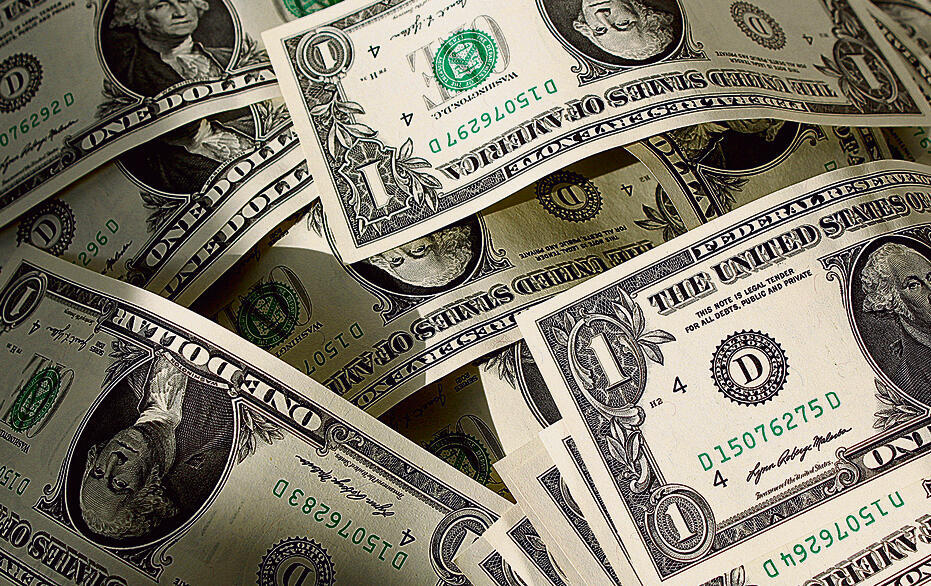
The dollar’s exchange rate fell to its lowest point in more than three years before the holiday, with the official rate set at 3.2810 shekels — a drop of more than 1% from the previous weekend. During intraday trading, the dollar slipped further to around 3.27 shekels.
Ron Tomer, president of the Manufacturers Association of Israel, warned that the shekel’s sharp strengthening poses a “real threat” to exports, industry and workers. “The weakening of the dollar severely harms exporters, manufacturers and tech companies that earn in dollars,” Tomer said. “Each drop in the exchange rate immediately translates to lower shekel income, eroded profitability and the risk of losing international markets.”
Tomer noted that exporters are being hit twice — both by the weaker dollar and by rising anti-Israel sentiment in parts of Europe and beyond. “At a time when exporters are trying to retain customers with competitive pricing, the stronger shekel makes Israeli products more expensive — the opposite effect,” he said, adding that “such a sharp strengthening could be a death blow for some exporters.”
He urged the Finance Ministry and the Bank of Israel to act immediately to stabilize exchange rates and create support mechanisms for affected exporters. “The Israeli economy needs active policy to protect industrial competitiveness and jobs,” Tomer said.

Ron Tomer, President of the Manufacturers Association of Israel
(Photo: Tal Shahar)
The official rate, set before the holiday, was the lowest since August 2022, when the dollar briefly dipped to 3.26 shekels. Since January, the shekel has strengthened roughly 10% against the dollar. The euro also fell 1.55% Monday to 3.8311 shekels. While the euro had risen earlier this year, it has now lost about 3% in recent days amid market optimism that a Gaza cease-fire and hostage deal may soon be reached.
Exporters warned that the euro’s drop is just as troubling as the dollar’s, since Europe is one of Israel’s largest export markets.
Meanwhile, contractors and retailers welcomed the stronger shekel, saying it could help lower prices. Builders said cheaper imported materials could gradually lead to reduced housing costs if the trend continues.
Shahar Turjeman, president of the Federation of Israeli Chambers of Commerce (FICC), said the effect on consumer prices would take time, noting that most goods are purchased six months in advance and paid for at higher exchange rates. “Many large companies hedge their currency exposure, so today’s sharp drop won’t be felt immediately,” he said. “If the shekel remains strong, prices will likely fall — but not right away.”