

After a three-month delay and under extreme time pressure, the Knesset is set to approve the state budget and the accompanying economic arrangements law in a first reading on Monday, a critical step as the government races to pass the 2026 budget in full within the next two months.
Prime Minister Benjamin Netanyahu and his close allies have been working until the final hours to persuade lawmakers from ultra-Orthodox parties to support the budget. Without their votes, the legislation is expected to fail, bringing the dissolution of parliament and the announcement of early elections closer than ever.
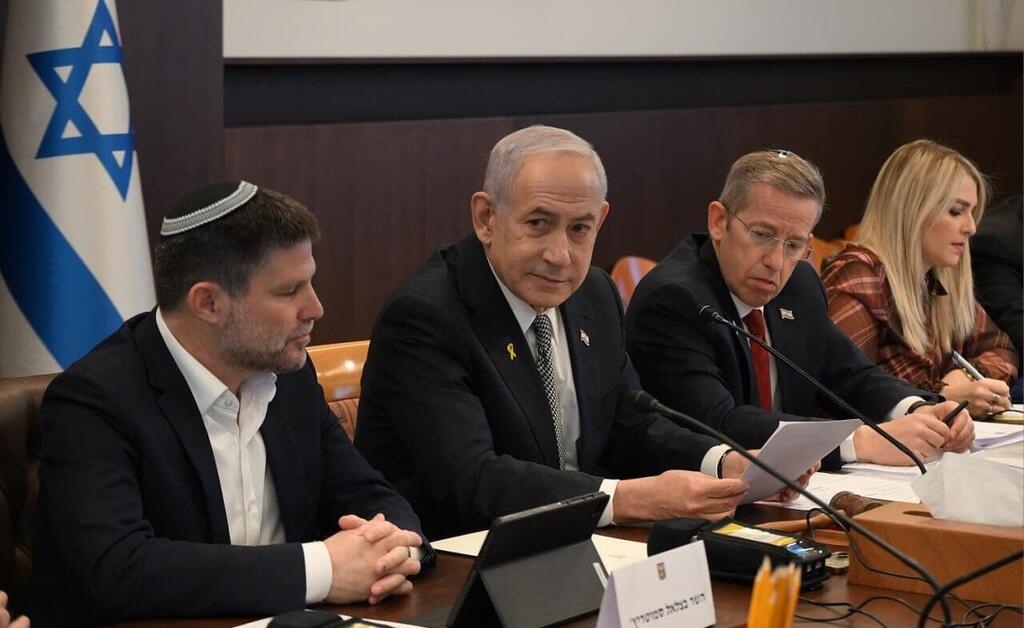
At the heart of the standoff is progress on a controversial bill exempting ultra-Orthodox men from mandatory military service. Lawmakers from those parties have used the budget as their main leverage to force passage of a draft law that critics describe as a sweeping exemption measure. Under the emerging compromise, ultra-Orthodox lawmakers are expected to support the budget in its first reading, while threatening to bring down the government in the second and third readings if the draft law is not enacted in line with their demands in the coming days.
The prolonged delay in approving the budget has left the government operating under a provisional framework since Jan. 1. Under this arrangement, ministries are limited to spending one-twelfth of the outdated 2025 budget each month. According to Accountant General Yali Rothenberg, this has resulted in a shortfall of about 55 billion shekels in ministry budgets, a situation he described as highly damaging to the economy and to public services.
Rothenberg has instructed government ministries to avoid certain expenditures, halt all new programs, refrain from hiring staff and prepare for the possibility that the government could fall, forcing the state to continue operating under an outdated interim budget until at least the autumn.
The proposed 2026 budget is expected to total about 660 billion shekels, the largest in the country’s history. The deficit is projected to reach 3.9%, higher than originally planned, and could grow further if the defense establishment secures an additional 8 billion shekels beyond the 112 billion shekels already allocated. Of the defense budget, 22 billion shekels is earmarked for intelligence services.
Despite the scale of the budget, it includes no major growth engines or large-scale investment initiatives following two years of war. It offers no significant new funding in education, health care, welfare or infrastructure. At the same time, it includes a postwar cut of roughly 3 billion shekels — about half — to rehabilitation programs and the Tekuma administration, reducing their funding from a planned 6.2 billion shekels.
Contrary to repeated declarations by Netanyahu and Finance Minister Bezalel Smotrich that they oppose tax increases, the 2026 budget includes new taxes as well as levies imposed during the war that, despite earlier promises, will not be repealed.
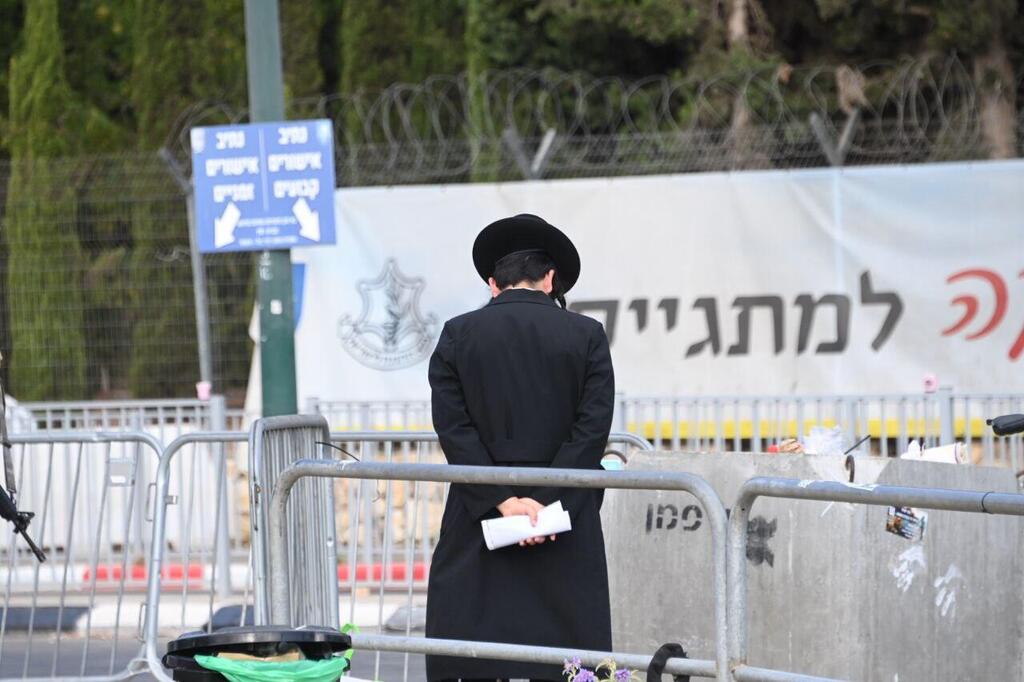
(Photo: Yair Sagi)
A new 1.5% tax will be imposed on land designated for construction, a move expected to reignite increases in housing prices. New taxes will be introduced on electronic cigarettes and on banks, with critics warning that banks are likely to pass the cost on to customers through new fees. Income tax brackets and the value of tax credit points will remain frozen, national insurance payments will rise and the value-added tax will remain at 18%, rather than returning to 17%.
Together, these measures are expected to reduce the disposable income of an average household by about 800 shekels a month, through a combination of higher expenses and lower net income.
The Finance Ministry has prepared an economic arrangements law that is more limited than in previous years due to time constraints, but it still includes 38 structural reforms and seven chapters of planned tax changes scheduled to take effect in early 2026.
With elections expected in any case — either during the summer or by Oct. 27 at the latest under the law — the budget also includes measures designed to provide public relief, some of which are conditional on approval of the austerity steps, including the plan to raise 5 billion shekels through the new land tax.
Expanding income tax brackets for earners making between 16,000 and 25,000 shekels a month is expected to boost take-home pay for many middle-income workers by several hundred shekels a month, depending on their income level.
A proposal by the finance minister to raise the VAT exemption on overseas online purchases from $75 to $150 per package has already been approved by ministerial order. However, citing harm to about 60,000 local retailers, the Finance Committee has recommended canceling the increase. The full Knesset has yet to decide whether to accept that recommendation. The exemption was not included in the economic arrangements law and was enacted through a separate order.
After defense spending, the largest government budgets will be allocated to education, with 97 billion shekels, an increase of about 7 billion shekels, plus an additional 15 billion shekels for higher education, an increase of 720 million. The health budget will rise to 63 billion shekels, an increase of about 4 billion.
The budget for national security will increase by 4.1 billion shekels, or 16%, despite opposition from the Finance Ministry. The increase includes higher pension payments for police officers and expanded procurement of police vehicles. Despite the release of thousands of Palestinian prisoners in recent years, the prison service budget will rise by 900 million shekels. The fire and rescue service will receive an additional 200 million shekels.
(Photo: Kobi Koankes)
Spending on infrastructure and transportation will total 45 billion shekels, an increase of about 7.5 billion. The welfare and social services budget will reach 14 billion shekels, with only a modest increase of about 1 billion. Interest payments on public debt are projected to total 65 billion shekels.
The foreign affairs budget will grow by 1.3 billion shekels to expand overseas missions and public diplomacy efforts. A widely welcomed increase of 442 million shekels will go toward benefits for discharged soldiers, as promised by the finance minister.
The largest beneficiaries of increased ministry budgets are ministers from the Religious Zionism and Otzma Yehudit parties, along with ministries traditionally held by ultra-Orthodox parties, should they return to the government.
Budgets for ministries often criticized as unnecessary will rise by about 2 billion shekels. Funding for the settlement affairs ministry will increase by about 300 million shekels, to 425 million from 122 million in 2025. The diaspora affairs budget will rise by about 140 million shekels, to 183 million from 46 million. The Jerusalem affairs budget will increase by 70 million shekels, while an additional 140 million shekels will be allocated to the Negev and Galilee ministry.
In addition, funding for the Independent Education Network affiliated with United Torah Judaism will increase by about 500 million shekels to 2.1 billion, while budgets for education institutions linked to Shas will rise from 860 million shekels to 1.25 billion. The Prime Minister’s Office budget will jump from 3.7 billion shekels to 6 billion shekels, with the increase designated to implement future coalition agreements.
Lawmakers are also expected to vote on a series of reforms and measures directly affecting household finances, including higher property taxes, a new surtax on real estate investors, expanded income tax brackets, limits on check discounting, mandatory reporting on all rental apartments, reductions in vehicle registration fees, the abolition of the internal driving test despite objections from road safety groups, a tax on electronic cigarettes and tax exemptions for new immigrants.