

The $4.2 billion deal to sell Israeli shipping company Zim to Germany’s Hapag-Lloyd and Israeli private equity fund FIMI brings to a close a six-month bidding process marked by dramatic twists. But for Yair Seroussi, who has chaired Zim for the past five and a half years, the story began much earlier — at the end of 2024, when Idan Ofer, then the company’s largest shareholder, exited his stake.
“In a late-night message, Idan Ofer informed me he was selling his shares,” Seroussi said in an exclusive interview. “The very next day I told the board we needed to prepare.”
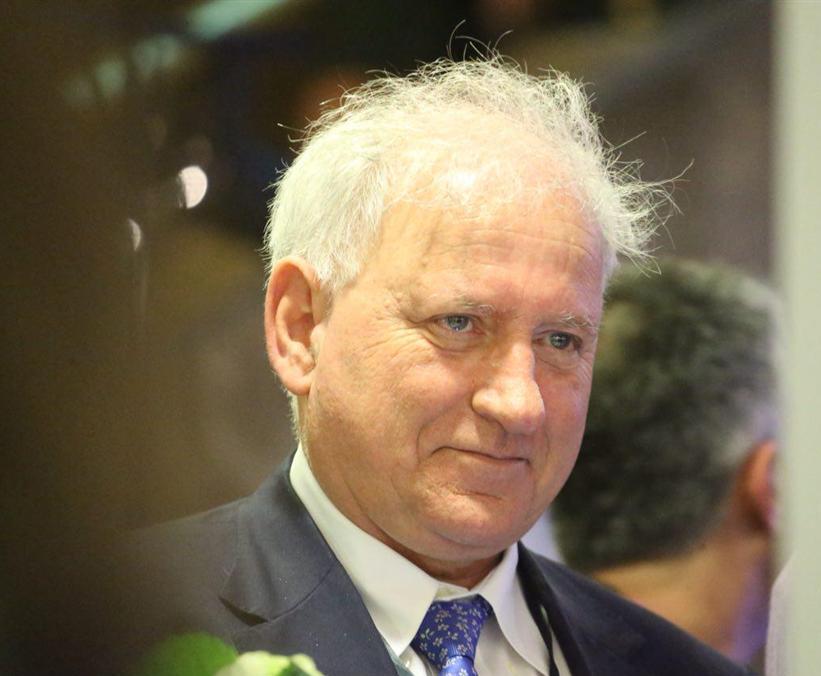
What Seroussi had in mind at the time was not a conventional sale process. “I told the board we had to prepare for American-style activism,” he said. “When you have a lot of cash on the balance sheet and the company’s market cap is lower than the cash it holds — and that was Zim’s situation — it attracts attention. At the time, Zim didn’t have long-term investors. Shareholders were constantly changing, and trading volumes were enormous. Sometimes the stock, listed in New York, had higher daily turnover than the entire Tel Aviv Stock Exchange. In that situation you become vulnerable.”
Without a controlling shareholder, and after Ofer’s group exited, Seroussi feared U.S. activist funds would try to force strategic moves. “The American capital market is big, aggressive and operates differently,” he said.
Management bid sparks process
Then Zim CEO Eli Glickman approached him.
“Eli came to my house late one night with an offer. That’s when the movie started,” Seroussi said. Glickman proposed acquiring the company at $20 per share, valuing Zim at roughly $2.4 billion.
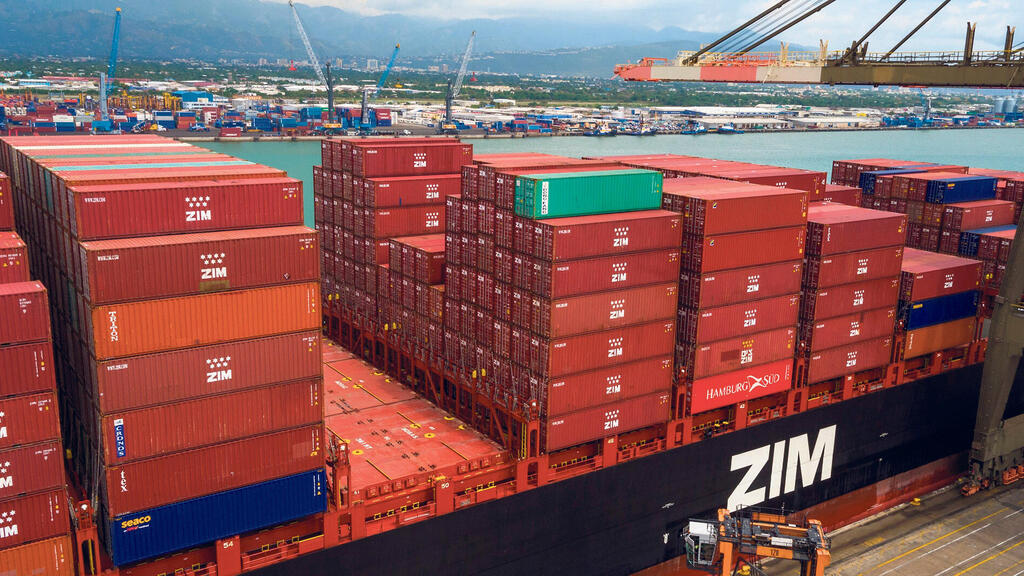
(Photo: Zim)
“At that moment I decided two things,” Seroussi said. “First, I would not replace management, despite the complexity created from that moment on. But I would separate powers.” He established a dedicated board committee to examine strategic alternatives, separate from management, and hired U.S. law firm counsel, Israeli firm Meitar, and investment bank Evercore.
“Management may have envisioned buying the company, but my job is different — to create competition,” he said.
Asked why the company did not immediately disclose management’s proposal, Seroussi pointed to U.S. securities law. “We are listed only on the New York Stock Exchange. Every two weeks I asked our lawyers what needed to be disclosed. They said that under U.S. law, if we had merely received an offer and were discussing alternatives, there was no obligation to announce anything.”
Ultimately, the board rejected Glickman’s offer as too low. “When you have one offer on the table, especially from management, outsiders might think the board is colluding,” Seroussi said. “I thought we couldn’t do a deal before testing the market.”
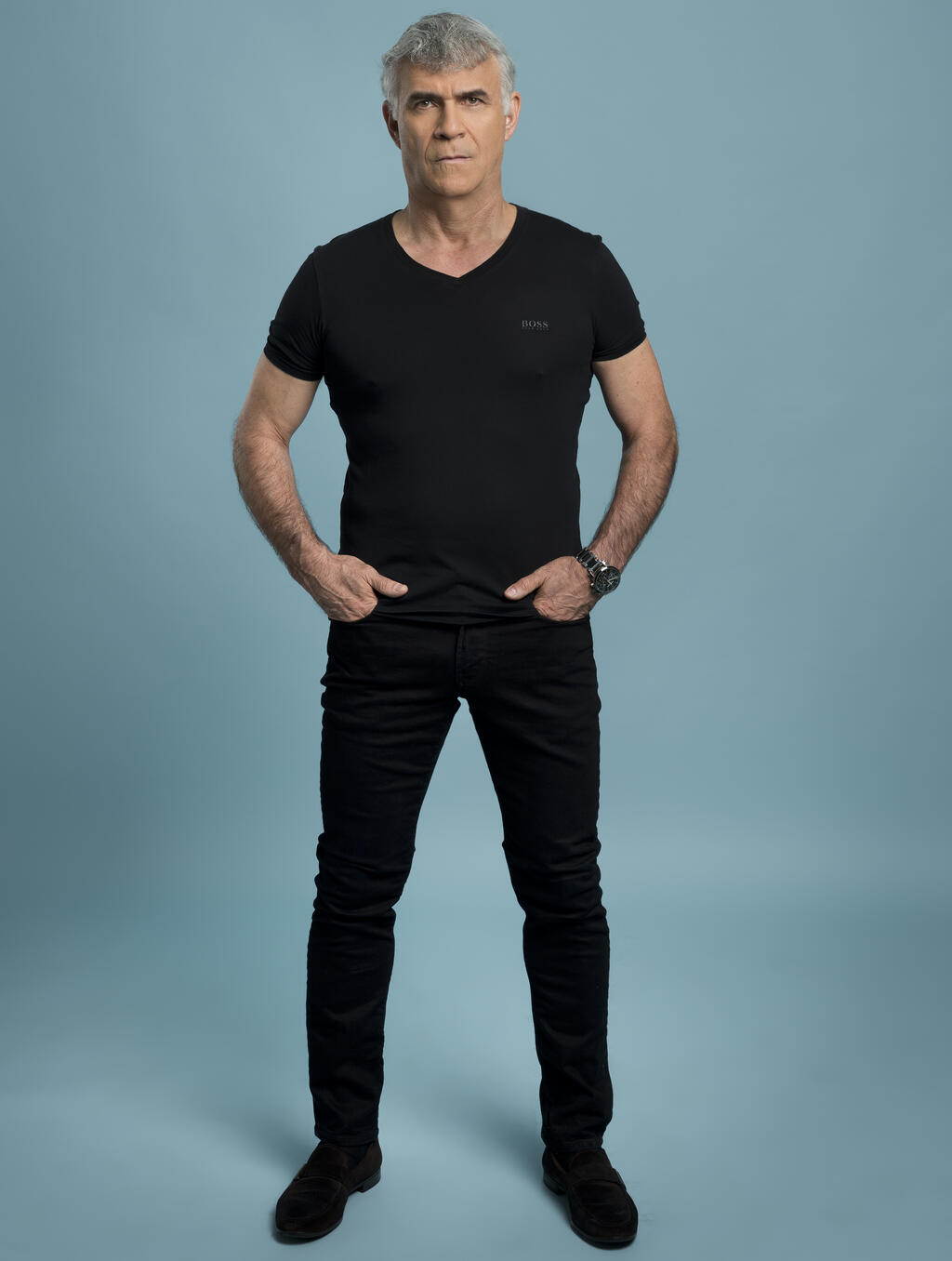
FIMI Funds founder and CEO Ishay Davidi
(Photo: Yonatan Bloom)
The company approached 20 global players, including major private equity funds, but received negative responses. Then Hapag-Lloyd expressed interest. Around the same time, Denmark’s Maersk also entered the picture.
On the deadline set by the board, three offers were submitted: Glickman’s group, Maersk and Hapag-Lloyd. The German company offered $32 per share, the highest bid at the time. Maersk initially offered $29 per share.
“The management group was quickly given a negative answer,” Seroussi said. Negotiations continued with the two foreign shipping giants. Maersk eventually raised its offer to $30 per share, and Hapag-Lloyd countered with $35 — the price that ultimately sealed the deal, representing a 126% premium over Zim’s share price six months earlier, when sale rumors began circulating.
The golden share hurdle
But there was a complication: the State of Israel holds a “golden share” in Zim, granting it special rights to safeguard national interests. Approval from multiple government bodies is required for any sale.
“How do you get the state’s approval?” Seroussi recalled asking. Hapag-Lloyd initially explored partnering with Israeli investor Udi Angel’s XT Group, but time constraints and regulatory uncertainties derailed that option.
Then, two weeks ago, Hapag-Lloyd proposed a new structure involving FIMI. The plan would split the company in two, with FIMI acquiring Zim’s Israeli operations and assuming the golden share obligations, while Hapag-Lloyd would acquire the international business.
“I told them we were running out of time and couldn’t leave the company in uncertainty,” Seroussi said. “But they managed to structure something quickly that matured into an agreement.”
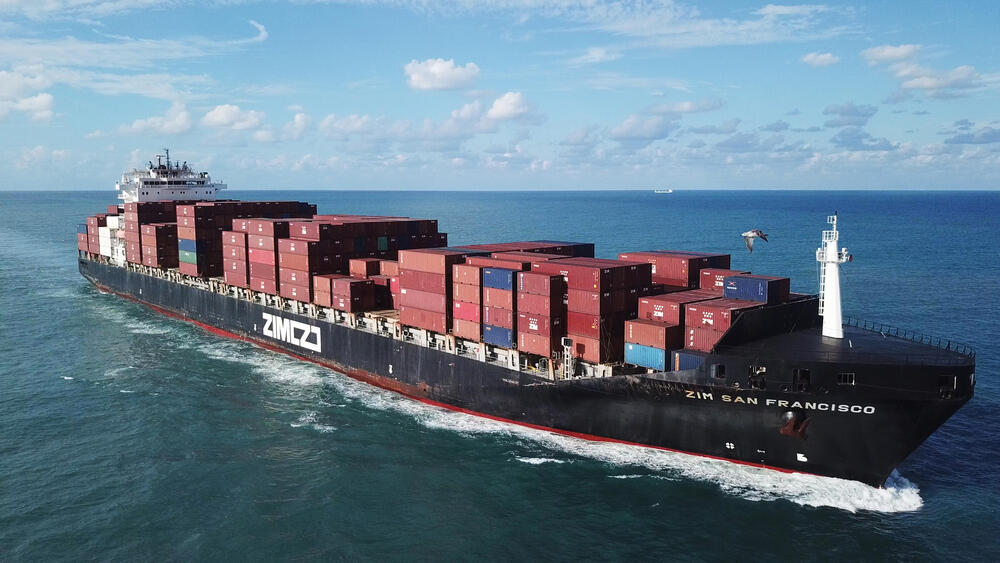
(Photo: Shutterstock)
Under the deal, Zim shareholders will receive $35 per share in cash. Hapag-Lloyd and FIMI will seek regulatory approval, a process Seroussi estimates could take nine to 12 months.
“I believe this strengthens the state’s position regarding the golden share,” he said. “My role is to maximize value for shareholders in a realistic deal. I think we reached a solid formula.”
The deal still faces scrutiny from at least 11 regulatory bodies, including Israel’s Transportation Ministry and security agencies. Workers have also launched a strike amid fears of layoffs.
Seroussi acknowledged the uncertainty. “I can’t say what the exact chances are,” he said. “But we brought a very reasonable proposal, one that improves the state’s standing and ensures business continuity. As an Israeli, it’s important to me that maritime transport to Israel won’t stop in wartime.”
Concerns over ‘new Zim’
Israel’s Ports and Shipping Authority has warned that the restructured “new Zim” could be too small and vulnerable in the next downturn of the cyclical shipping industry.
Seroussi rejected that assessment. “Analysts worldwide are negative on shipping right now,” he said. “Zim is actually in better shape than many others.”
While the new Zim will lose its most profitable China–U.S. route, Seroussi said it will begin with roughly $1 billion in equity, no debt, and a five-year revenue commitment from Hapag-Lloyd. “In the first years, new Zim is expected to be profitable — and significantly so. That’s built into the structure.”
Company track record and legacy
Seroussi emphasized that since its January 2021 IPO — priced at a $1.5 billion valuation — Zim has distributed $5.7 billion in dividends. Including the sale proceeds, shareholders will have received more than $10 billion in returns, after the company raised just $200 million in the IPO.
“A year or two before the IPO, they tried to sell Zim and no one was willing to pay more than $100 million,” he noted. “Hapag-Lloyd was in the picture back then too — and they wanted money to take it.”
On criticism that he did not remove management after its buyout bid, Seroussi said: “The management did a good job. We maintained strict separation. Once it was clear they weren’t buying the company, they went back to work like everyone else.”
As for the future, Seroussi confirmed he will step down once the deal closes. “I’m here until then. After that — God is great,” he said with a smile. “I have other interesting things to do, and I feel younger than my age.”