

A $4.2 billion deal to sell shipping giant Zim was signed Monday in Tel Aviv, as senior executives from Germany’s Hapag-Lloyd traveled to Israel to finalize the agreement.
The German company’s delegation was led by Chief Executive Rolf Habben Jansen. Following the signing, Hapag-Lloyd is expected to hold an online news conference with Israeli and German reporters to outline its plans for managing the company and address concerns in Israel over transferring a strategic firm to foreign ownership.
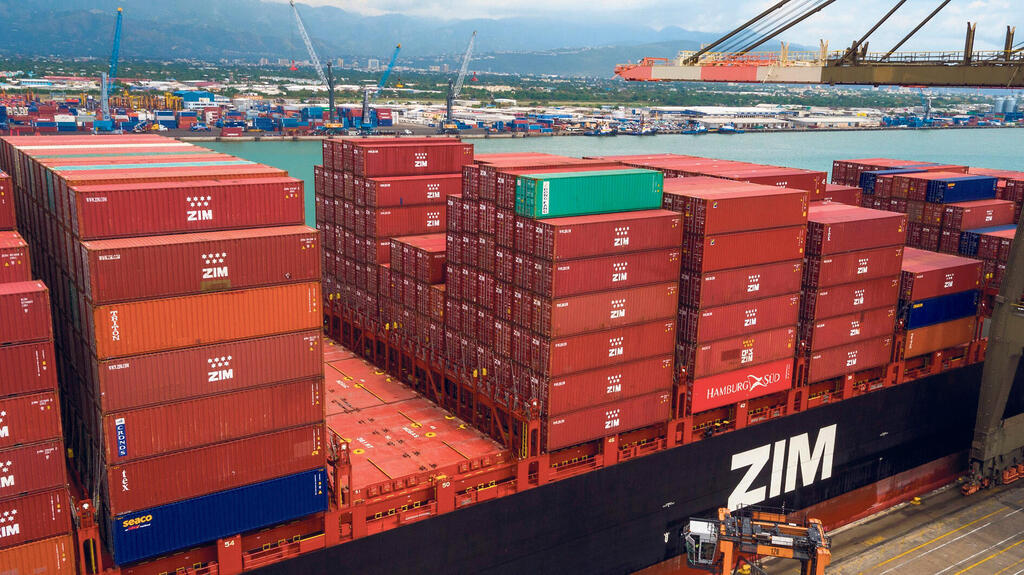
(Photo: Zim)
Under the agreement, Hapag-Lloyd will sell Zim’s Israeli operations to the FIMI private equity fund. FIMI CEO Ishay Davidi said the fund recognizes the strategic importance of maintaining an independent and strong Israeli shipping company.
“We are establishing a stable Israeli company, the new Zim, and see Hapag-Lloyd as a significant strategic partner for its continued operations,” Davidi said. He added that FIMI intends to build an advanced and efficient fleet with broad logistics capabilities, calling the move a strategic opportunity to create a focused shipping company with financial resilience operating in cooperation with one of the world’s leading carriers.
Davidi said the new Zim would combine significant trans-Atlantic capabilities with additional routes to Europe, Africa, the Mediterranean and the Black Sea, while placing customers at the center of its operations.
Company operations were halted ahead of the signing. No meetings were held Monday between Zim management and the workers’ committee after talks a day earlier broke down.
The committee, headed by Oren Caspi, rejected proposals from the board, which was represented in negotiations by director Nir Epstein and attorney Ariel Aminach of the Meitar law firm.
According to the workers’ committee, it was informed that about 120 employees would remain with the new Zim under FIMI ownership. Hapag-Lloyd is expected to establish a research and development center in Israel that would absorb Zim’s technology employees, and some of the company’s roughly 800 additional workers could be integrated into that center.