

The IDF says it is struggling to operate under its current budget, releasing reservists and avoiding some costly military actions, as the Defense Ministry presses for an immediate and unprecedented increase in Israel’s defense spending.
The military is demanding that the defense budget be raised from 144 billion shekels ($38.9 billion) to 183 billion shekels ($49.5 billion), the highest level in Israel’s history. The Finance Ministry has so far resisted the request, calling it “completely excessive and illogical,” and saying such an increase “will not happen.”
A decision on the size of the budget addition is expected in the coming days, possibly this week, with Prime Minister Benjamin Netanyahu likely to decide between the two sides.
Defense officials accused the Finance Ministry of delaying a decision because of Israel’s political uncertainty. “The Treasury knows that once elections are declared, it will no longer be possible to transfer funds, so they are dragging their feet,” one defense source said.
Finance Ministry officials rejected the accusation, saying “all budget matters were settled long ago” and that the defense establishment’s needs were fully addressed in the approved state budget. “We have no idea why tens of billions more now need to be allocated to defense,” they said.
The dispute involves enormous sums that could affect the entire state budget. A major increase in defense spending would likely force sharp cuts in civilian ministries, including education, health and welfare, and could delay urgent infrastructure projects, especially in transportation. With elections potentially approaching, the government is not expected to raise taxes, leaving spending cuts or another breach of the budget framework as the likely options. Such a move could renew pressure on Israel’s credit rating.
Israel’s defense budget has already surged during the war years. Before the October 7 war, the 2023 defense budget stood at 76 billion shekels ($20.5 billion). It was raised to 94 billion shekels ($25.4 billion) after the war began, then jumped in 2024 to 132 billion shekels ($35.7 billion) and later to 164 billion shekels ($44.3 billion). In 2025, an attempt was made to reduce the budget to 130 billion shekels ($35.1 billion), but it was later increased to 162 billion shekels ($43.8 billion).
The original 2026 defense budget was set in January at 112 billion shekels ($30.3 billion), before being increased in March to 144 billion shekels ($38.9 billion) following another dispute between the Finance and Defense ministries.
Defense officials say the current budget no longer reflects the scale of Israel’s military commitments. They said the war with Iran extended into April and included another day of fighting several weeks ago, requiring continued high readiness on that distant front.
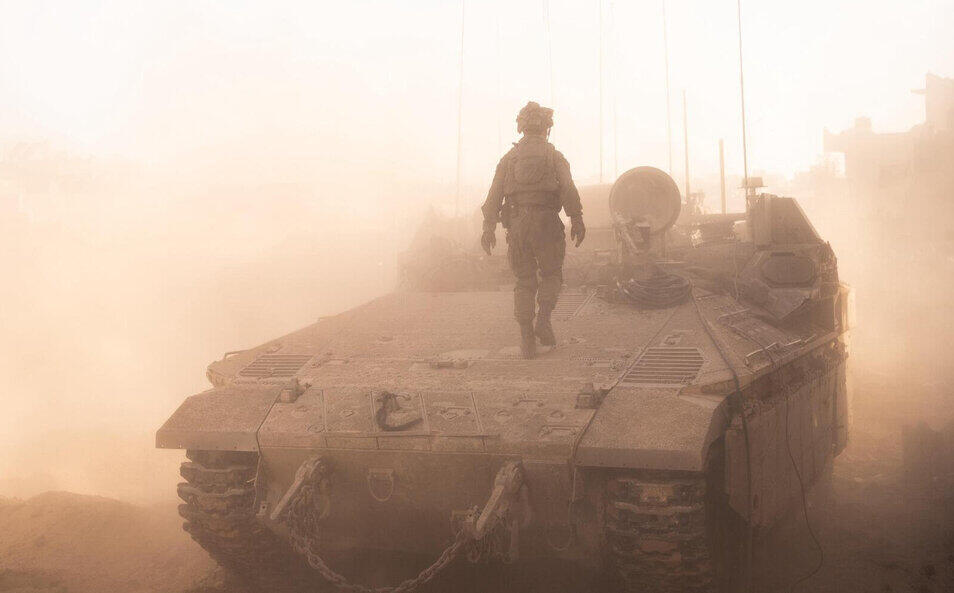
They also said the IDF is deployed across far larger areas than originally planned, holding about 210 square kilometers in Lebanon and 550 square kilometers in Gaza, together roughly the size of Singapore. “That costs a great deal of money,” a defense official said.
The IDF is also trying to reduce its reservist force because of the financial strain. Netanyahu had previously set a target of reducing monthly reserve duty from 60,000 soldiers to 40,000. But after a period in which about 120,000 reservists were serving at the same time, the number has only fallen to about 64,000. The military is now trying to bring it down further, to about 50,000.
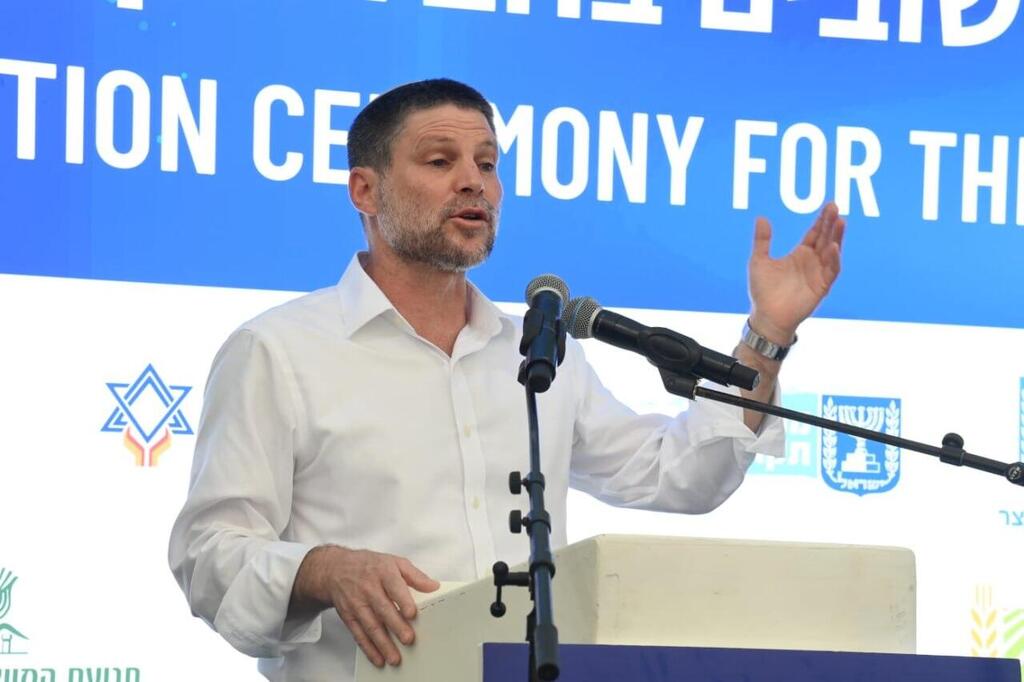
Finance Minister Bezalel Smotrich
(Photo: Herzl Yosef)
Defense officials said the army’s needs now stand at 183 billion shekels ($49.5 billion) to 188 billion shekels ($50.8 billion), due to the costs of fighting on seven fronts, including two distant ones, Iran and Yemen, that require especially expensive operations.
“The Treasury and the National Security Council know these figures well,” one defense source said.
Military officials said the gap of 20,000 reservists costs about 5 billion shekels ($1.35 billion) over six months. Asked whether the army understands that a major defense increase would require painful cuts to civilian spending, one defense source said: “That is not lost on us, but there is no choice if we want to fully protect the security of the state.”
Finance Ministry Budget Director Mehran Prozenper recently proposed adding 12 billion shekels ($3.2 billion) from reserves to the defense budget, but the army rejected the offer, calling it far below its needs. Defense officials also argued that tax collection has exceeded forecasts and that the Treasury has additional reserves that could reduce the need for painful cuts elsewhere.
Three recent meetings on the issue at the Prime Minister’s Office were canceled one after another because of the deep disagreements. The IDF accused Finance Ministry officials of “dragging their feet” in order to avoid a decision before a possible election announcement.
Finance Ministry officials said in an official response that additional funding would be transferred to the Defense Ministry according to the sums approved by the Knesset in the latest budget, which kept reserves for defense spending.
“Based on the understandings taking shape, the defense establishment’s budget will remain within the frameworks set in the state budget,” senior Finance Ministry officials said.
A senior defense source rejected that position, saying the Treasury has failed to internalize the scale of the war.
“It seems the Finance Ministry does not understand that we have been in a difficult war for almost three years, including beyond Israel’s borders,” the source said. “Its costs are far higher than what was approved only a few months ago in the state budget.”