

Loora, an Israeli company developing an AI-powered English-learning app, has raised $22 million in a Series B funding round, bringing its total funding to about $43 million.
The company, founded by Roy Mor and Yonatan Levin, plans to use the new capital to expand research and development and accelerate growth in the United States, Europe, Asia and South America.
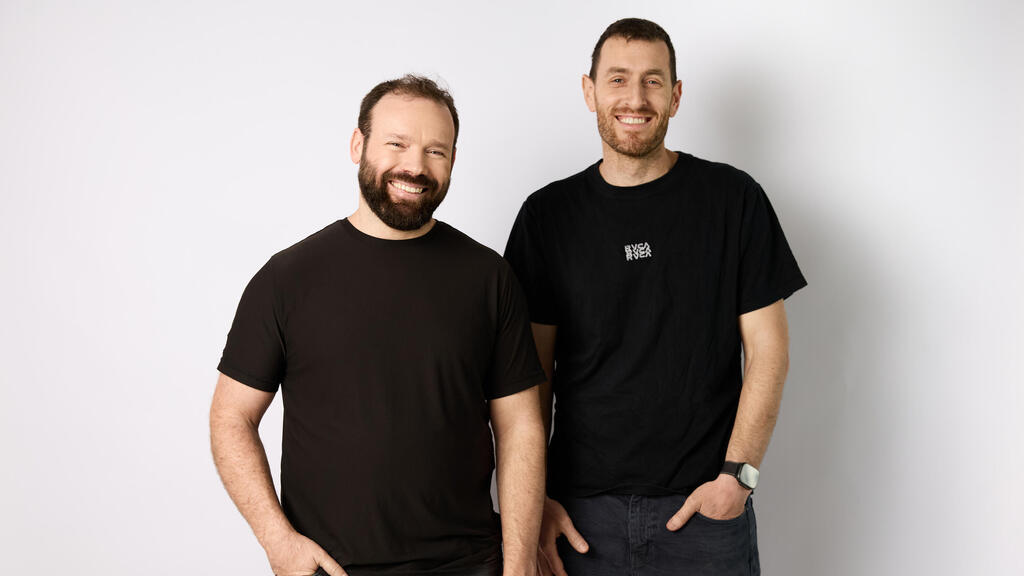
The two founders first met on their first day of military service. They began pilot training together before leaving the course and moving to Sayeret Matkal, the IDF’s elite reconnaissance unit.
After their military service, both studied electrical engineering and physics at Tel Aviv University and later entered the artificial intelligence sector. They began working on Loora in 2020, launching the app the following year.
An AI tutor built around conversation
Loora allows users to practice English through conversations with an AI-powered virtual tutor designed to adapt to each learner’s ability, interests and goals.
Unlike language-learning apps built primarily around fixed lessons or exercises, Loora focuses on open-ended conversation and attempts to personalize the learning process over time.
According to the company, more than 15 million people worldwide have used the app, generating more than 200 million interactions.
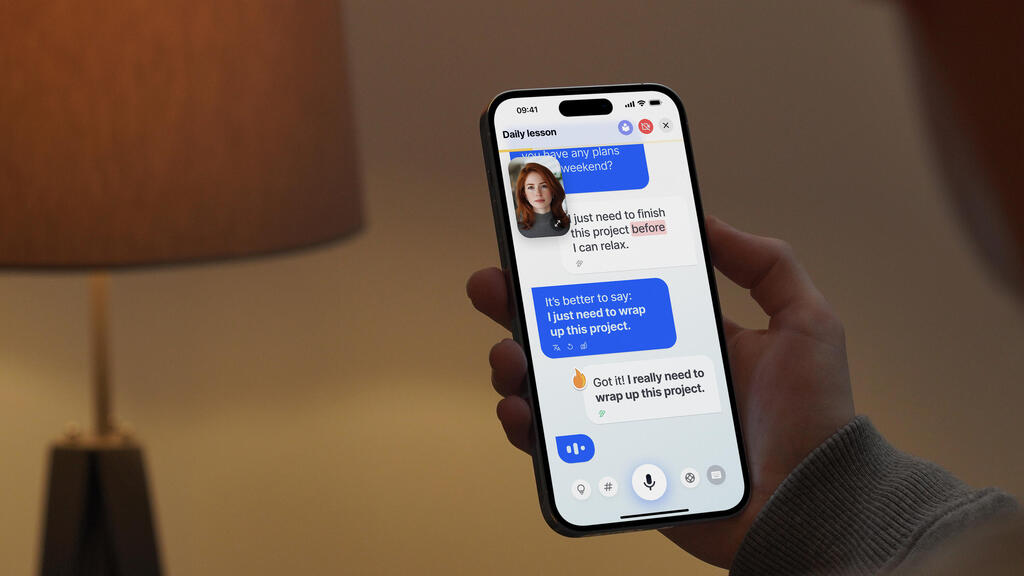
Loora application
Loora says its revenue has more than doubled over the past 12 months and that annual recurring revenue is now in the tens of millions of dollars.
The company has also expanded into the enterprise market over the past year, signing partnerships with more than 100 corporations, governments and universities.
According to company data, 72% of users say they are learning English to advance their careers, with its main audience between the ages of 25 and 55.
Company plans to double workforce
The latest funding round was led by Union Tech Ventures, with participation from vgames and existing investors Emerge, Hearst Ventures and QP Ventures.
Loora plans to double its workforce within about six months, with much of the hiring focused on AI research and development and learning science.
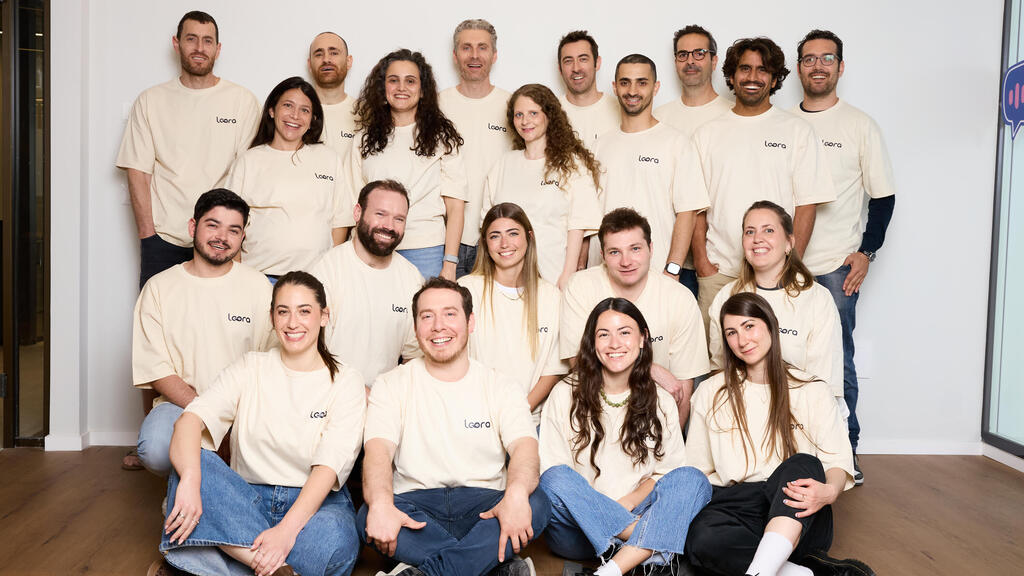
Loora’s team, which is expected to double in size
In an interview with ynet published in May, Mor said the company employed 35 people in Israel at the time and was recruiting about 30 more workers across engineering, product and sales.
He also said Loora was generating tens of millions of dollars in annual sales and that the founders had no plans at that stage to sell the company.
Learning from millions of conversations
One of the assets Loora hopes will strengthen its advantage is the data accumulated through users’ conversations with the platform.
The company analyzes those interactions to understand, among other things, which types of conversations and exercises encourage users to keep learning and which appear to help them improve.
Loora says user retention has more than doubled since the product launched.
Its usage data also illustrates how freely learners use the platform. One user in Germany devoted about 40% of conversations to politics, while an Indian user discussed 38 different subjects across 49 conversations. Another user practiced with the app for 1,377 consecutive days.
“People who already know English tend to underestimate the scale of the opportunities it provides,” Mor said. “For most of the world, English is the most significant gateway to advancement, a better job, a place at university or an entirely different future.”