


Artificial intelligence is shaking up more than just the tech world. It is also reshaping how investors view energy and climate technologies. Data centers are being built worldwide at a rapid pace to meet AI computing needs, driving massive demand for electricity. Forecasts point to peak consumption in 2026, and for investors, the signal is clear about where capital should flow.
The year 2026 is emerging as a turning point for climate and energy investors. After years of uncertainty driven by conflicting trends, investors are entering the coming year with a more sober and pragmatic outlook. While global investment volumes are expected to continue rising, from an estimated 31.7 billion dollars in 2025 to about 39.6 billion dollars in 2026, the nature of those investments is shifting decisively.
Gallery
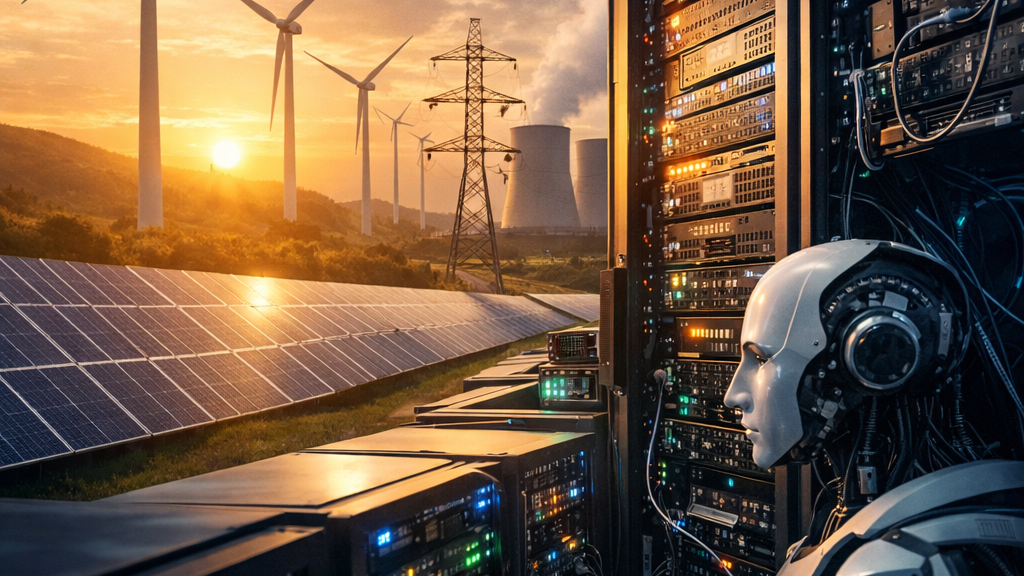
Climate startups seeking funding are now expected to change their pitch and show that they offer more than carbon emissions reduction alone
One of the casualties of this new era is the traditional green technology sector. New tax legislation under U.S. President Donald Trump has cut some government incentives in the field and sent a signal that has resonated beyond the United States. Climate startups seeking funding are now expected to change their pitch and show that they offer more than carbon emissions reduction alone. Areas such as climate resilience against extreme weather, cost efficient water desalination, clean energy solutions, energy storage and other needs that have gained traction over the past year are increasingly in focus.
“The climate tech ecosystem is undergoing the most significant conceptual shift of the past decade,” according to a review by Israeli fund NetZero Tech Ventures, published here for the first time. The review describes a change in the global narrative. Instead of focusing solely on accelerating the transition to renewable energy, the goal is becoming more pragmatic, supplying clean, stable and abundant energy to meet surging demand.
According to NetZero, climate and energy investors are redefining themselves as investors in infrastructure that enables artificial intelligence. Their focus sits at the intersection of carbon reduction, reliability and energy supply. Climate technologies are increasingly embedded in national strategies, opening opportunities in local manufacturing, critical minerals and circular economy technologies.
“Climate tech investors are not abandoning carbon reduction,” said Dr. Gideon Friedmann, NetZero’s chief technology officer and former chief scientist at Israel’s Energy Ministry. “They are changing their point of view. Artificial intelligence and data centers add new requirements to what we already knew about the energy transition. At the same time, national strategies that emphasize local manufacturing and supply chain resilience are creating favorable conditions for circular economy solutions that reduce reliance on long and fragile supply chains.”

US President Donald Trump
(Photo: Getty Images)
According to the NetZero review, climate and energy technologies now extend well beyond methods for cutting global emissions. Increasingly, they include infrastructure critical to the economy, artificial intelligence and the digital world, all of which depend on a reliable flow of large volumes of energy.
In the United States, urgency around emissions reduction has cooled. The reasons include federal policies that prioritize sovereignty, resilience and cash flow, as well as an assessment that technological innovation has reduced the immediate risk of climate catastrophe. The review's authors also argue that many clean energy technologies remain more expensive than existing alternatives, creating a so-called green premium for customers considering a transition. That premium has become a major barrier and a critical challenge for technology companies.
In Europe, Canada and parts of Asia, emissions reduction remains a priority. Still, the shift is evident there as well, with growing emphasis on energy security, cost effectiveness and infrastructure resilience, reflecting concerns about supply chain vulnerabilities and dependence on external energy sources.

Dr. Gideon Friedmann, NetZero’s chief technology officer
(NetZero Tech Ventures)
What is hot and what is cooling
The NetZero review divides climate tech investment preferences into three categories: hot, warm and cooling. The classification reflects where capital is flowing fastest, where investment is more cautious and where innovation faces mounting pressure from large industrial players.
The hottest investment areas are those responding directly to rising energy demand from AI infrastructure. Companies in these fields are attracting capital rapidly due to accelerated demand, clear economic logic and urgent infrastructure needs. These technologies can deliver stable, large scale energy to data centers, improve efficiency and support critical AI infrastructure.
Hot investment areas include geothermal and nuclear energy, large scale energy storage and long term upgrades to power grids. These investments are aimed at expanding and stabilizing the grid, providing the resilience required to support an economy reliant on high computing capacity.

NetZero Tech Ventures and the National Center for Energy Storage launched research and development laboratories at Bar-Ilan University
(Photo: Israel Pinhasov)
They also include high density servers and AI accelerators, as well as advanced cooling technologies such as liquid cooling, immersion systems and other electronic cooling solutions, which are increasingly viewed as essential infrastructure. Investors now see these technologies as enablers of artificial intelligence, reflecting the growing convergence of climate tech, energy reliability and digital infrastructure.
Local manufacturing capabilities and supply chain resilience are also drawing attention. Critical minerals, essential to high value industries such as semiconductors and battery manufacturing, face risks tied to import dependence. The US Department of Energy has announced significant funding to advance domestic production of critical minerals, and the proposed CIRCLE Act could offer a 30 percent tax credit for recycling and reuse facilities. NetZero says these steps signal strong political backing for circular economy and local manufacturing solutions, creating new opportunities for investors.
The “warm” category refers to selective, cost focused investments, including sustainable and alternative fuels, carbon capture and removal. Investor interest remains, but capital is deployed more cautiously. Success in this category depends on cost competitiveness, scalability and proven market demand.
This includes sustainable aviation fuel, which remains in focus due to regulatory requirements and continues to play a role in reducing reliance on fossil fuels in transportation. It also includes emissions reduction technologies in maritime transport, carbon capture, storage and removal solutions, and energy efficiency technologies for offices and industrial facilities. Hydrogen production continues to attract attention as a critical tool for cutting emissions in steel, chemicals and other hard to electrify sectors.
The “cooling” category does not necessarily mean investors have lost interest, but rather that companies developing these technologies face difficulties competing with established industrial players. In electric vehicle battery manufacturing and solar energy production, for example, Chinese manufacturers and large global conglomerates maintain dominance through scale, cost efficiency and continuous optimization, creating high barriers to entry for early stage startups.
Low carbon materials and alternatives to petrochemicals, including sustainable polymers, bio based feedstocks and other advanced materials, face similar challenges. Many of these solutions impose a green premium on customers, dampening demand unless accompanied by binding legislation, policy or standards.
Looking ahead, NetZero says the bar for climate tech companies has risen. Investors now expect technologies to demonstrate cost efficiency, market demand and resilience to policy shifts. The companies most likely to succeed in 2026 will be those that combine clean energy innovation with reliable, scalable and economically viable infrastructure.
First published: 07:20, 01.27.26