

The world’s 12 wealthiest individuals now control $2.635 trillion—more than the combined wealth of the poorest half of the global population, according to Oxfam’s annual inequality report released at the opening of the World Economic Forum in Davos.
The report states that the combined net worth of roughly 3,000 billionaires reached $18.3 trillion in 2025, marking a 16% increase from the previous year and an 81% surge since 2020. In 2024 alone, billionaires gained $2.5 trillion, equal to the total wealth of the world’s 4.1 billion poorest people.
At the same time, one in four people struggles to access food, and nearly half of the global population lives in poverty.
“The widening gap between the ultra-rich and everyone else is creating a dangerous and unsustainable political deficit,” Amitabh Behar, executive director of Oxfam International, told CNBC. “The outsized influence of the wealthiest on politicians, economies and media undermines efforts to reduce poverty.”
Economic power becomes political power
The 88-page report estimates that a billionaire is 4,000 times more likely to hold public office than an average citizen. It also highlights that billionaires own more than half of the world’s major media companies and all the dominant social media platforms.
In the U.S., the 100 wealthiest families spent $2.6 billion during the last presidential election, accounting for one-sixth of all campaign contributions.
“The economic power of the richest is increasingly translating into political power, further eroding democracy,” warned Charlotte Becker, an Oxfam board member.
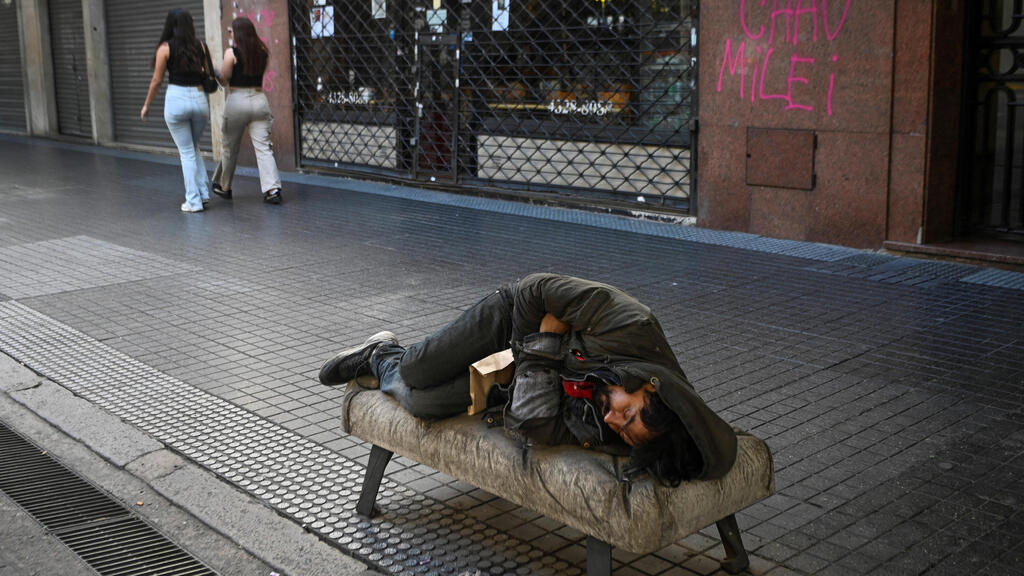
Nearly half of the global population lives in poverty
(Photo: Mariana Nedelcu/Reuters)
The report describes this as a “political takeover,” where lobbying for tax cuts, weakened antitrust laws, and reduced oversight enriches the wealthy, who then reinvest in more lobbying.
Elon Musk sits atop the global wealth pyramid, becoming the first individual to surpass $500 billion in net worth. According to the report, Musk earns in four seconds what an average person makes in a year, with the rise of AI adding to billionaire windfalls.
Poverty reduction stalled by policy
Oxfam estimates that 3.83 billion people—48% of the global population—lived in poverty in 2022, and that global poverty reduction has stagnated. The organization also warned that the closure of USAID by President Donald Trump could lead to over 14 million additional deaths in the world’s poorest nations by 2030.
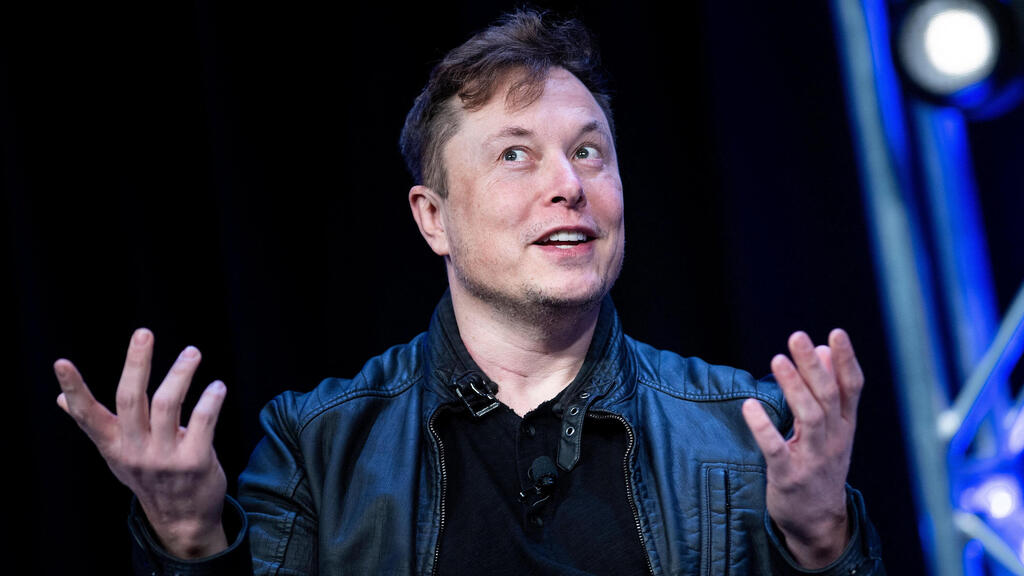
Elon Musk sits atop the global wealth pyramid
(Photo: AFP)
In stark contrast, the billionaire gains in 2025 alone could have provided every person on Earth with $250, while still leaving billionaires $500 billion richer than before.
Oxfam blames policy decisions such as tax cuts and lax enforcement of competition laws, calling on governments to tackle inequality by raising taxes on extreme wealth, tightening lobbying and campaign finance rules, and introducing a billionaire tax.
In the U.S., policies supported by the wealthiest have a 45% chance of becoming law, while their opposition reduces that likelihood to 18%.
Until major policy reforms are enacted, Oxfam warns, the world risks entering a “decade of billionaires”—fertile ground for anti-democratic forces to take root.