

Shares in Israeli weight-loss company Epitomee surged 15% on the Tel Aviv Stock Exchange on Monday, extending their gain over the past three trading sessions to more than 110% even though the company had announced no new business development.
The apparent trigger is a change at the top. Epitomee recently appointed Dolev Rafaeli as CEO, an executive known in the medical-device sector for trying to rehabilitate struggling companies, including PhotoMedex. Investors appear to be betting that he can unlock the potential of Epitomee’s Israeli-developed weight-loss capsule after years of disappointment.
“The problem at Epitomee is not the product, but the distribution channels,” Rafaeli told ynet.
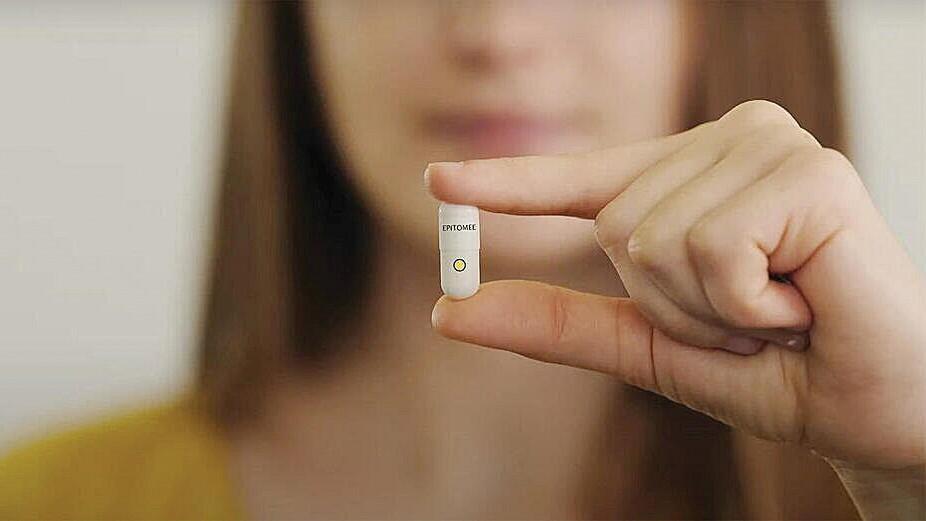
Epitomee offers an alternative to injectable weight-loss drugs and other pharmaceutical treatments. Its product is a tiny mechanical device packaged inside a swallowable capsule. Once it reaches the stomach, it absorbs fluid and expands into a firm structure that exerts gentle pressure on the stomach wall, creating a feeling of fullness before a meal. The capsule is taken twice a day, remains in the stomach for several hours, then moves into the intestines and breaks down within minutes.
The technology is a more sophisticated version of an older weight-loss concept involving balloons inserted into the stomach to create satiety. Those balloons required invasive procedures for insertion and removal, and their use declined after complications were reported. Epitomee’s approach aims to achieve a similar effect without an invasive procedure.
The company’s main advantage is regulatory: the capsule has already received approval from the US Food and Drug Administration following clinical trials that found it effective and safe for use.
But Epitomee’s history on the stock market has been painful. It went public in 2021 at a valuation of 632 million shekels and climbed to around 1 billion shekels a month later after signing a commercialization agreement with global food giant Nestlé. In 2023, however, Nestlé ended the partnership, saying that although the FDA trial had succeeded, it did not meet Nestlé’s own targets. The share price then entered a prolonged decline, wiping out roughly 90% of the company’s value from its post-IPO highs.
Rafaeli believes the next phase depends less on the technology itself and more on how it is sold.
“Epitomee has 70 patents and all the approvals, including FDA approval. Now we need to bring it to market,” he told ynet. His goal is to reach 20,000 to 30,000 new users in the United States, which he says could generate about $50 million in sales.
He said the stock’s recent surge reflected not only his reputation in the capital markets, but also confidence in the US team he has brought in and in his track record of turning around companies.
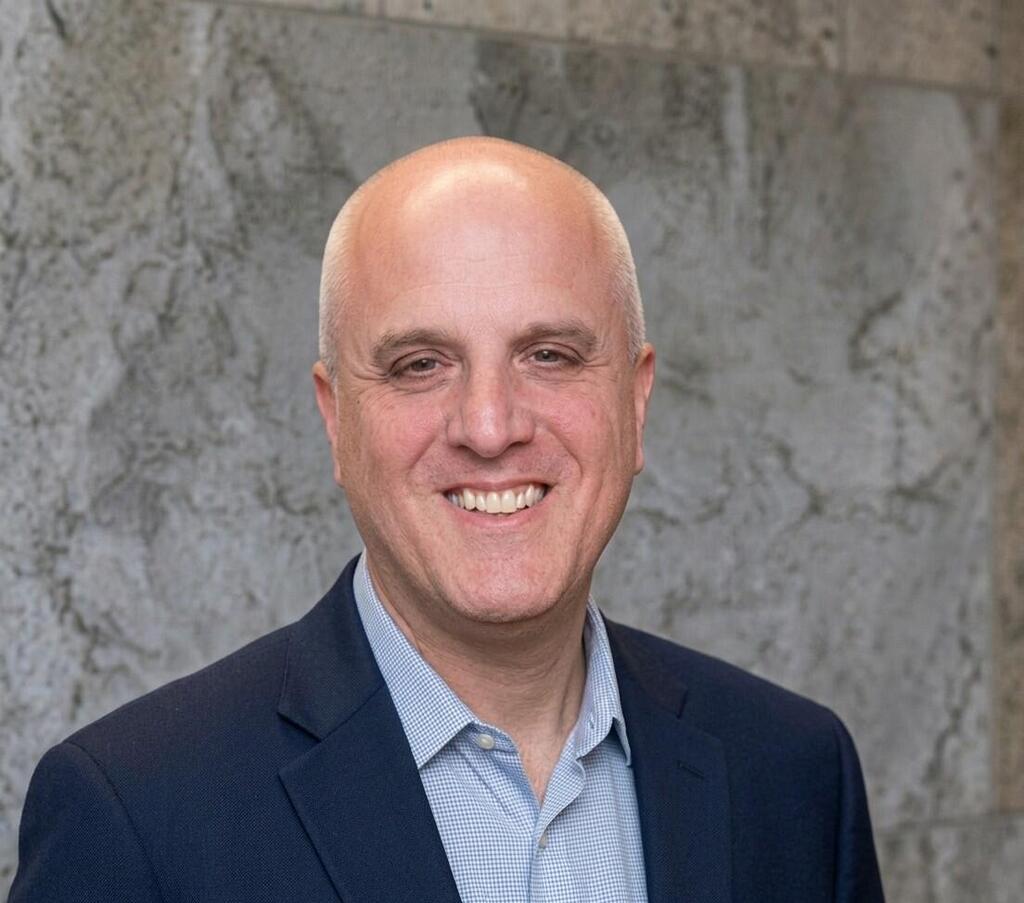
CEO Dolev Rafaeli
(Photo: PR)
“I’m happy with the reception I’ve received in the Israeli capital market,” Rafaeli said. “But despite the gains, the stock is still about 80% below its previous value.”
His strategy is to move away from the distributor-led model Epitomee previously used in the United States and switch to direct-to-consumer marketing through a dedicated app. Under the plan, customers would order the capsule through the app, receive an online prescription and have the product shipped directly to their homes.
Rafaeli argues that the timing could work in Epitomee’s favor because of the dramatic expansion of the weight-loss market driven by injectable drugs.
“We are entering a market that the makers of weight-loss injections have already opened,” he said. “They have accustomed consumers to spending hundreds of dollars a month.”
He added that Epitomee could appeal to people who stop using injectable treatments because of side effects. According to Rafaeli, 65% of people who begin treatment with weight-loss injections stop within a year, a trend he believes benefits Epitomee because its product is classified as a medical device rather than a drug.
The capsule is already available in Israel through Super-Pharm for 890 shekels. Rafaeli said the price could fall if the product is eventually included in supplementary health-insurance plans offered by Israeli health funds.