

The Bank of Israel announced Monday afternoon that it was cutting the benchmark interest rate by a quarter percentage point, the second consecutive reduction and the third since the beginning of 2026.
The benchmark rate will now stand at 3.5%, while the prime rate will fall to 5%.
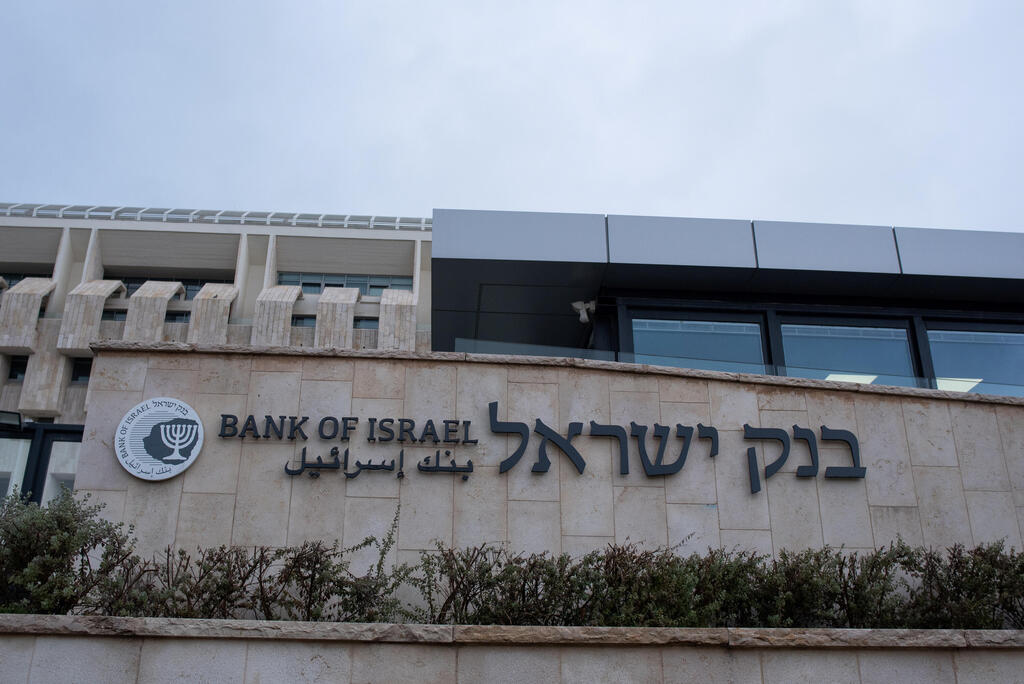
(Photo: Shalev Shalom)
The decision means the Monetary Committee chose to take a measured risk by cutting rates again rather than waiting for its next decision, scheduled for August 31.
The committee, headed by Bank of Israel Governor Prof. Amir Yaron, approved the reduction despite ongoing political uncertainty and concerns over possible government spending ahead of the expected announcement of an election date.
The cut is expected to ease monthly payments for mortgage holders and help businesses that were forced to take loans during the prolonged war. Most forecasters now do not expect another rate cut at the bank’s next decision at the end of August.
Alongside the rate decision, the Bank of Israel published its updated macroeconomic forecast. It now expects the economy to grow by 4% in 2026 and 5.5% in 2027, an upward revision from its March forecast, mainly due to stronger-than-expected national accounts data in the first quarter.
Inflation is expected to reach 1.8% during 2026, down from the previous forecast of 2.2%. The bank attributed the decline mainly to a drop in Israel’s risk premium following the end of Operation Lion’s Roar, the strengthening of the shekel and a sharp fall in oil prices after the opening of the Strait of Hormuz.
The Bank of Israel expects the interest rate to average 3% in the second quarter of 2027, reflecting two additional rate cuts over the coming year.
The state budget deficit is expected to reach 4.9% of GDP in 2026 and 4.2% in 2027, while the debt-to-GDP ratio is expected to stabilize at about 69% in both years.
The bank’s baseline scenario assumes that defense spending will rise by 15 billion shekels ($4.1 billion) in 2026, slightly above the reserve amount allocated. However, it warned that a further increase of up to 25 billion shekels ($6.8 billion), as demanded by the defense establishment, would push both the deficit and public debt higher and add between 0.2 and 0.5 percentage points to inflation.