

The Bank of Israel is expected Monday to cut its benchmark interest rate for the third time this year, with many economists forecasting a 25-basis-point reduction that would bring the central bank rate to 3.5% and the prime lending rate to 5%.
If approved, the rate would fall to its lowest level since late 2022, before a wave of rate hikes. The move would lower mortgage repayments over the life of loans and ease financing costs for businesses. The bank cut the rate to 4% on Jan. 5 and again to 3.75% on May 25.
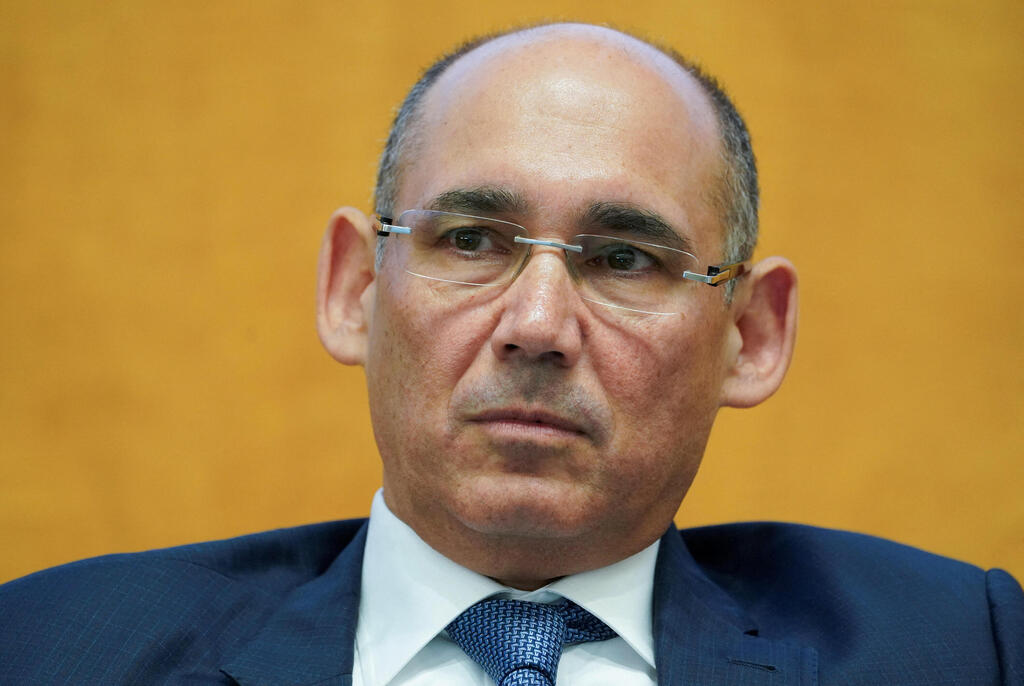
Bank of Israel Governor Prof. Amir Yaron
(Photo: REUTERS/Kevin Lamarque/File Photo)
Supporters of another cut point to inflation falling to 1.9%, within the government’s 1% to 3% target range, alongside sluggish growth, reduced fighting on several fronts and an agreement limiting additional defense spending to 15 billion shekels, instead of the 40 billion sought by the Defense Ministry.
But the central bank also faces risks, including the recent strengthening of the dollar and euro against the shekel, political instability and concerns that preelection spending could breach budget limits. The proximity of the previous rate cuts has also raised concern that inflation could reignite.
Still, financial analysts are largely optimistic. Shmuel Katzavian, financial markets strategist at Discount Bank, and Ofer Klein, head of economics and research at Harel, said conditions are ripe for a quarter-point cut. Psagot Investment House also supports that forecast, citing falling global oil prices and expectations that June’s consumer price index will decline by 0.1%.
Business groups are pressing Bank of Israel Gov. Amir Yaron to go further and cut the rate by half a percentage point.
“The Bank of Israel has a golden opportunity to lower the rate by half a percent,” said Chen Schreiber, president of the Institute of Certified Public Accountants in Israel. “Business owners are waiting for news that will encourage growth. Act boldly.”
Roy Cohen, president of Lahav, Israel’s chamber of independent businesses and organizations, also urged Yaron to “move from words to action” and cut rates again immediately.
“This is the time to ease the burden on businesses in Israel,” Cohen said.