

At the end of the first month of fighting the current war, Iran’s economy presents a complex picture that challenges early assessments of a rapid collapse — but the overall direction is clear. On the surface, Tehran appears to benefit from market conditions that have allowed it to maintain financial “breathing room.” A deeper look at macro- and microeconomic data, however, suggests this is tactical survival at the cost of strategic deterioration.
While a flow of dollars from oil revenues and control of the Strait of Hormuz provides immediate liquidity, the war is eroding the real engines of the Iranian economy and creating cumulative damage that even high oil income will not be able to repair.
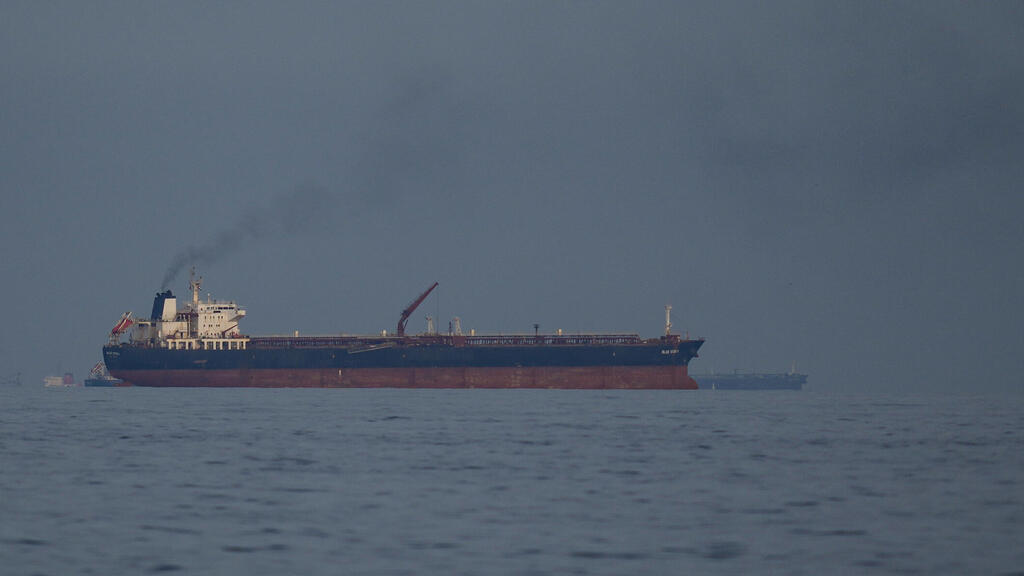
One of the more striking and controversial elements of Iran’s crisis management over the past month has been the transformation of the Strait of Hormuz into a direct source of revenue. According to field reports, the Iranian regime has leveraged its physical control over the critical shipping lane to charge up to $2 million per vessel for what it defines as “safe passage.” This channel has generated tens of millions of dollars in additional income in recent weeks, reflecting Tehran’s attempt to convert military leverage into liquid economic assets.
However, the move carries a significant strategic cost: it reinforces Iran’s image as a destabilizing force in global trade, likely deterring long-term investment and pushing even neutral countries to seek alternative trade routes that could diminish Iran’s relevance once hostilities subside.
A boost from India
On the traditional revenue side, Iran has capitalized on global instability to strengthen its cash flow. On the eve of the war, the country’s oil revenues stood at roughly $150 million per day, and data from the past month suggests that level has not only been maintained but slightly exceeded — despite Iranian crude being sold at a discount. With exports estimated at about 1.8 million barrels per day in March and oil prices above $100 per barrel, Tehran is enjoying a level of dollar liquidity from oil not seen since 2018.
The resumption of oil purchases by India — after years of suspension and under a temporary 30-day U.S. easing — has provided a critical boost. India’s oil ministry reported no difficulties in clearing payments, indicating the effectiveness of Iran’s sanctions-circumvention mechanisms. Still, this liquidity is rooted in wartime conditions, with funds quickly absorbed by centralized management of civilian supply and the financing of the war effort.
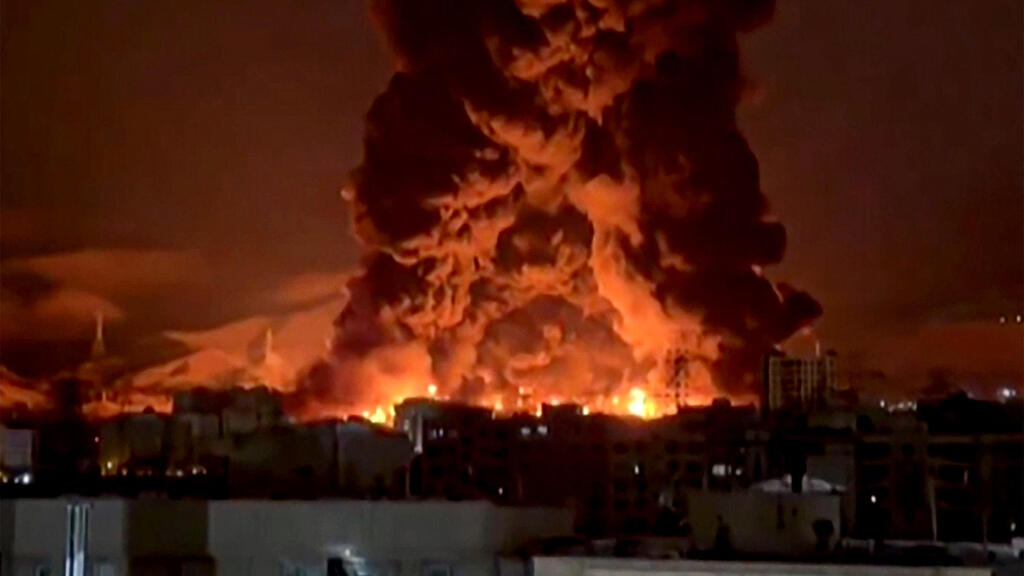
Huge flames in Tehran after the air force struck oil storage facility
(Photo: AFP - SOURCE: UGC / UNKNOWN )
Since the outbreak of hostilities, the Iranian government has operated under a strict emergency model aimed at preventing domestic market shocks that could undermine social stability. Over 31 days of fighting, authorities report that pharmaceuticals and medical equipment worth about $220 million were released from customs to maintain adequate health care supplies. At the same time, the state has extended subsidized loans to small and medium-sized businesses in Tehran to prevent an immediate wave of closures.
The regime’s ability to collect approximately $11 billion in taxes — more than 86% of its budget target — in the year through the end of February indicates that Iran entered the conflict with some financial reserves. However, reliance on tax collection and non-oil exports, which reached a record $51.6 billion in the past year, is hitting a ceiling. Disruptions to land and maritime trade routes are beginning to reduce non-oil revenues, increasing the country’s risky dependence on crude exports.
To grasp the severity of the current situation, it is useful to look back at the 12-day war with Iran in June. In that short round of fighting, unemployment was estimated to have reached about 650,000 people. The fact that less than two weeks of conflict produced such job losses raises questions about the true figures for the past month. The current war is broader, more destructive and far more prolonged.
Damage to core infrastructure, such as steel plants in Isfahan and Khuzestan, is paralyzing entire sectors that employ millions. In the petrochemical sector, a key source of foreign currency, the gap between production capacity and actual output is widening due to chronic gas shortages and operational disruptions. Combining physical damage to production infrastructure with the June data suggests that Iran is facing a structural wave of unemployment that could reach into the millions, placing heavy strain on the state budget and social stability.
An economy on 'life support'
Iran faces a fundamental economic paradox. On one hand, it continues to generate significant revenue from oil exports and control of maritime trade routes. On the other, it is forced to run the economy on something akin to “life support” — rapidly releasing imports, subsidizing businesses and artificially maintaining the supply of food and medicine.
Oil revenues and Hormuz-related payments provide tactical breathing room, but they cannot compensate for the destruction of the industrial base and the erosion of human capital. The economic war is one of attrition, and in this arena Iran is losing productive assets with each passing day. Even if the country survives the military conflict, it is likely to emerge with a crippled economy, a paralyzed industrial sector and an impoverished population.