


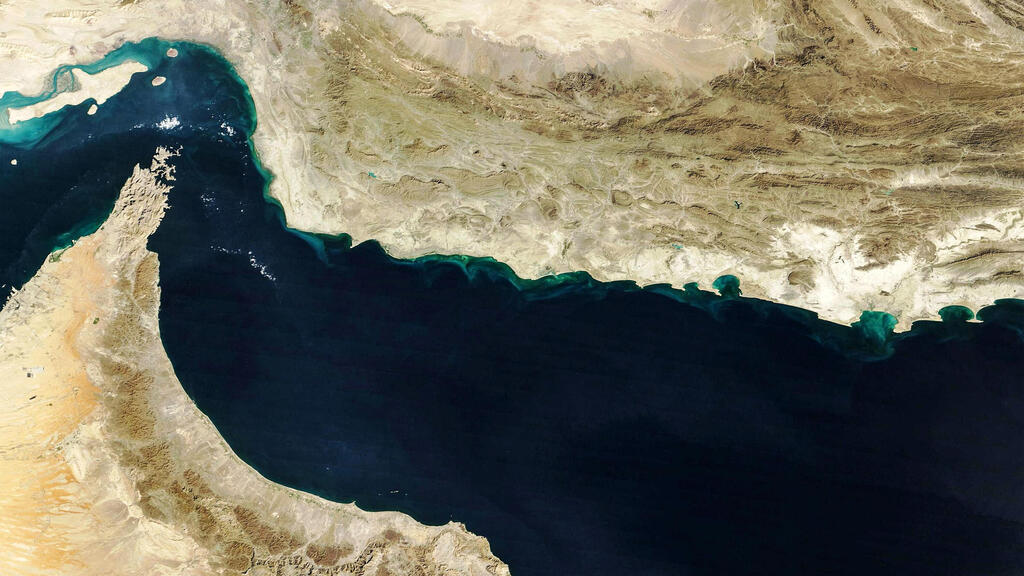
The global focus on the systematic destruction of Iran’s internal military infrastructure obscures the true center of gravity in this conflict. The most consequential theater is not the cratered missile silos of western Iran or the shattered command bunkers in Tehran, where allied planners track thousands of successful strikes. It is the 21-mile maritime choke point of the Strait of Hormuz.
As Operations Epic Fury and Roaring Lion unfold, Washington and Jerusalem must confront an uncomfortable reality. Despite unprecedented tactical successes, the Islamic Republic’s strategy of maritime denial is working.
The illusion of kinetic decapitation
The military logic underpinning the allied campaign was structurally sound: achieve rapid decapitation, dismantle the regime’s operational coherence, and exploit Iran’s internal vulnerabilities. By conventional metrics, the opening weeks have produced staggering results.
The elimination of Supreme Leader Ali Khamenei, the effective neutralization of the Iranian Air Force, and the degradation of nearly 200 air defense systems represent a historic kinetic overmatch.
Allied planners have struck more than 9,000 targets, severely damaging Tehran’s surface fleet, including submarine assets, and neutralizing hardened silos across 26 provinces. Yet this overwhelming projection of force has failed to deliver the primary strategic objective.
The assumption that extensive damage to infrastructure and leadership would neutralize Iran’s asymmetric maritime capabilities has proven flawed. The Strait of Hormuz remains effectively closed.
Iran’s A2/AD strategy and maritime denial
Under the succession of Mojtaba Khamenei, the regime has shifted to its most powerful lever. Iran does not seek a conventional military victory over the United States and Israel, an outcome it recognizes as unattainable. Instead, it aims to impose unsustainable global costs.
Iran’s anti-access and area denial architecture in the Persian Gulf makes that strategy resilient.
The geography of the navigable channels, positioned beneath steep Iranian coastlines, provides cover for dispersed and mobile shore-based anti-ship missile systems. These assets survive sustained bombardment because they are concealed and replaced faster than they can be permanently destroyed.
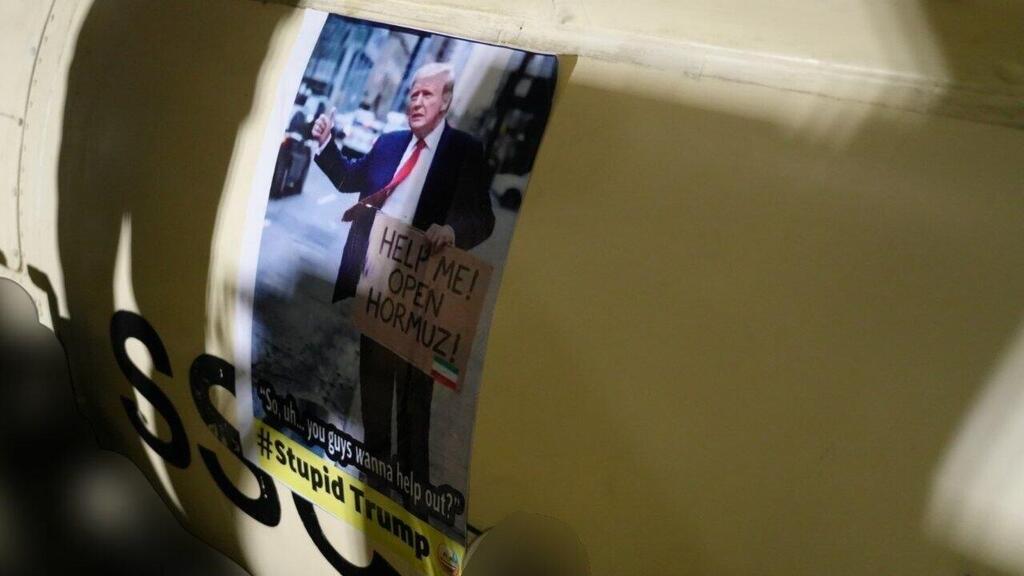
Iran’s Revolutionary Guards respond to Trump ultimatum
Iranian positions on islands such as Qeshm and Abu Musa allow the deployment of low-cost drone swarms, forcing allied defenses into an unfavorable cost exchange, using multimillion-dollar interceptors against platforms costing tens of thousands of dollars.
Below the surface, Iran has deployed an estimated 5,000 to 6,000 advanced naval mines. The Gulf’s layered temperature conditions degrade sonar performance, making clearance operations slow, dangerous and incomplete.
Smart mines, designed to bypass military escorts and detonate under high-value commercial vessels, further deter maritime traffic.
The macroeconomic shockwave
The blockade has triggered a global economic shock.
Commercial tanker traffic through the Strait has dropped by more than 90 percent since early March. As a result, 20 million barrels per day, roughly one-fifth of the global seaborne oil supply, have been removed from the market.
Brent crude has climbed past $109 per barrel, with projections pointing to $150 if disruption continues through the summer. At the same time, Iranian strikes on Qatar’s Ras Laffan facility have cut a fifth of global liquefied natural gas supply, forcing immediate declarations of force majeure.
For Gulf states, the implications are severe. Economies built on uninterrupted maritime trade are under strain. Even the wealthiest states are turning to emergency airlifts to maintain food supplies, revealing how dependent their stability is on a narrow waterway.
The strain on allied strategy
The United States entered the campaign with a doctrine of comprehensive neutralization, aiming to eliminate both Iran’s current capabilities and its ability to rebuild. However, growing signals from Washington about expanding targets to civilian infrastructure, including power grids and desalination plants, reflect mounting frustration.
These are not signs of strength but of strategic friction, where tactical success has not translated into control of the Gulf.
 Amine Ayoub
For Israel, the prolonged conflict is creating internal pressure. The Bank of Israel has revised its 2026 growth forecast downward, from 5.2 percent to between 3.3 and 4.7 percent, reflecting the cost of sustained mobilization, supply disruptions and continued conflict with Hezbollah.
Central Bank Governor Amir Yaron has warned of a narrowing window to stabilize the economy while sustaining a prolonged war effort.
The decisive front
The opening phase of this campaign may be remembered as a demonstration of precision strike capability and operational boldness. But strategic victory will not be determined by damage inside Iran.
It will be decided in the waters between the Arabian Peninsula and the Iranian coast.
The allied coalition now faces a stark choice: force the Strait open and shift toward a diplomatic outcome, or endure a prolonged blockade that risks pushing the global economy toward stagflation and reshaping political calculations in Washington and Jerusalem.
Until Hormuz is secured, the war remains unresolved. Everything else is a prelude.
- Amine Ayoub, a fellow at the Middle East Forum, is a policy analyst and writer based in Morocco.