

Maya Schneidman and Daniela Kolber are heirs to two of Israel’s most prominent business families. Both are in their twenties, childhood friends whose bond was forged through close family ties. In recent years, they have also built a trendy lifestyle empire entirely of their own making. At the height of the coronavirus pandemic in 2021, the two launched Mix and Matcha, a wellness brand centered on powdered green tea sourced from Japan. The product has taken the global superfood world by storm, and increasingly, Israeli consumers as well.
Six years later, Mix and Matcha is Israel’s first dedicated matcha company. It has played a central role in introducing authentic Japanese matcha culture to the local market and has cultivated a loyal and growing community of enthusiasts. Schneidman and Kolber went door to door at cafes in major cities, armed with samples of green tea powder. They traveled across the country to coffee carts looking for the next big thing and pitched bartenders and restaurant owners on the commercial appeal of the healthy, stylish trend. Over the past five years, the two have become key figures in Israel’s matcha revolution. “We are matcha pioneers,” they say with a smile.
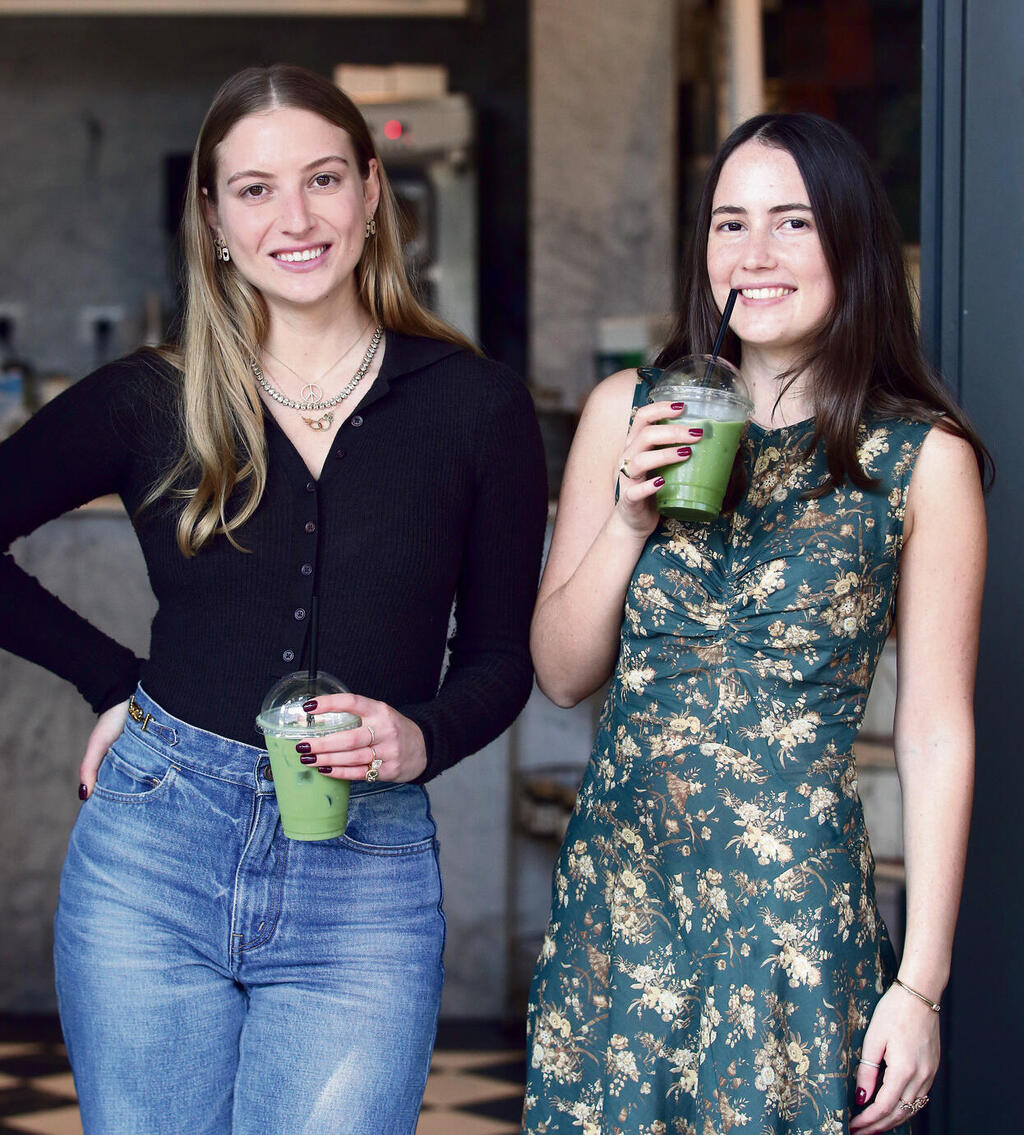
Along the way, they taught Israelis to order matcha alongside a croissant, to drink it at home with milk and cinnamon, and to incorporate it into cocktails, smoothies and desserts. Soon, they say, consumers will also be able to experience matcha-based fragrances. Their perfume line is being developed in New York, and the testers they have already brought to Israel hint at scents that are addictive and well suited to fans of artisanal fragrances.
One sensitive topic for them is the assumption that their success stems from their parents’ wealth. “I did not want money from my parents. It was a matter of principle for me,” Schneidman says. “I knew this would either be a very big success or a very big failure, and in either case, I wanted it to be on me. I invested the money I earned from my fashion blog.” Kolber adds: “I invested my military grant.”
How much did you invest?
“I will not say exactly how much, but not a lot at all,” Schneidman says. Kolber adds: “Let’s say that when we started, we bought 300 units of 30 grams of matcha. Today we buy matcha by the ton. You can do the math.”
They import only high-quality matcha that is also used in Japan for ceremonial purposes. For years, they have focused on building a complete experience around the product, including market education, branding and developing a category that did not previously exist in Israel.
Since its founding, Mix and Matcha has grown into a leading national brand, with thousands of loyal customers and a clear ambition to make matcha a daily staple, like coffee or wine, while expanding into additional health-focused products.
Family pedigree
Today, the company employs about 10 full-time and part-time staff members and is in the midst of rapid expansion ahead of opening offices in Tel Aviv. Schneidman and Kolber also dream of conquering the American market and have already begun taking concrete steps toward New York.
 Muki Schneidman Photo: Orel Cohen
Their confidence is rooted, in part, in the environment in which they were raised. Schneidman, 26, is the daughter of business leaders Ronit and Muki Schneidman, founders of fashion and real estate ventures and current owners of Direct Insurance. She splits her time between New York and Tel Aviv after completing a bachelor’s degree in finance at the Wharton School of the University of Pennsylvania.
 Jonathan KolberPhoto: Nimrod Glikman
Kolber, 28, who is engaged to be married, is the daughter of business leaders and philanthropists Irit and Yonatan Kolber. Her mother owns the well-known Claro restaurant in Tel Aviv. Kolber earned a bachelor’s degree in marketing and fashion at FIT in New York and a master’s degree in marketing and psychology in London. She says she relied heavily on consumer psychology in building the brand.
“The Israeli palate is very open to trends. People here like trying new things,” Schneidman says. “For example, there was a crazy trend recently of drinking matcha with coconut water,” Kolber says. “We bring it to Israel and educate the audience. In the summer, people were making matcha with strawberries or blended mango, and we will bring that idea to the cafes we work with as well.” They insist that people who say they dislike matcha likely encountered a low-quality product that tastes like seaweed, not the premium matcha they import.
To demonstrate, Schneidman prepares a seasonal winter matcha they developed themselves and teach cafe owners to make. She whisks the green powder with almond milk, adds cinnamon and a hint of vanilla extract, and serves it. They wait anxiously as I taste it. It is genuinely delicious, all wrapped in the meticulous aesthetic they are known for.
Looking to America
Beyond the product itself, the founders have successfully created a vibrant matcha-loving community that has been consuming their products for five years, requesting them at cafes and restaurants and showing strong brand loyalty. Together with their partner Amit Mendel, who left a high-tech career to join the green vision two years ago, they are now looking overseas.
“We are entering the US market soon, opening a warehouse and shipping across the continent,” Schneidman says. “Other markets also interest us.”
The global matcha market is experiencing rapid growth and is currently valued at an estimated $4 billion to $5 billion, counting only the powder itself and excluding related accessories. Forecasts project the market will reach $8 billion to $10 billion within less than a decade.
The American market, however, is crowded with matcha brands.
“That is true, but we know what we are doing,” she says. “There is always room for another brand, especially one that is young and speaks to its audience.”
Today, Mix and Matcha supplies more than 400 cafes across Israel. They work exclusively with ceremonial-grade matcha imported directly from Japan, a product now facing a global shortage due to production limits and lengthy growing processes. “We plan our inventory quarterly and order tons in advance,” Schneidman says. Kolber adds: “Bringing a new product to market is incredibly challenging. Sustaining a consumer brand over time requires depth, strategy and constant evaluation. We hold weekly and long-term planning meetings to understand where we are and where we want to be.”
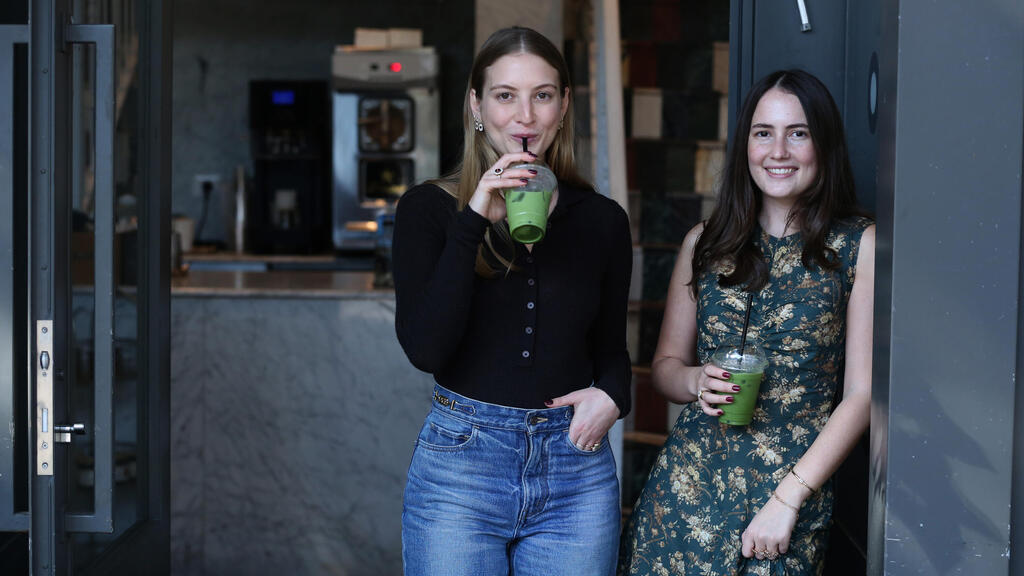
Maya Schneidman and Daniela Kolber
(Photo: Reyan Preuss)
A multibillion-dollar market
Matcha is a unique Japanese green tea in which the entire leaf is ground and consumed, rather than steeped, resulting in a highly concentrated nutritional profile. There are three grades of matcha: ceremonial grade, considered the highest quality; premium grade; and the lowest grade, cooking matcha. The finest leaves are grown under shade, harvested across three picking seasons each year, and then steamed, dried and slowly ground into an ultra-fine powder, a process that preserves their health benefits. Matcha contains antioxidants, chlorophyll and L-theanine, an amino acid that, according to aficionados, delivers focused yet calm energy over time.
The global matcha market is experiencing rapid growth and is currently valued at an estimated $4 billion to $5 billion, counting only the powder itself and excluding related accessories. Forecasts project the market will reach $8 billion to $10 billion within less than a decade, with annual growth of about 8 to 10 percent, among the highest rates in the tea and beverage category. Growth is being driven by global trends in health, functional drinks and coffee alternatives.
In Israel, the matcha market is estimated at tens of millions of shekels annually and is rising sharply, with rapid adoption in cafes, offices and home consumption.
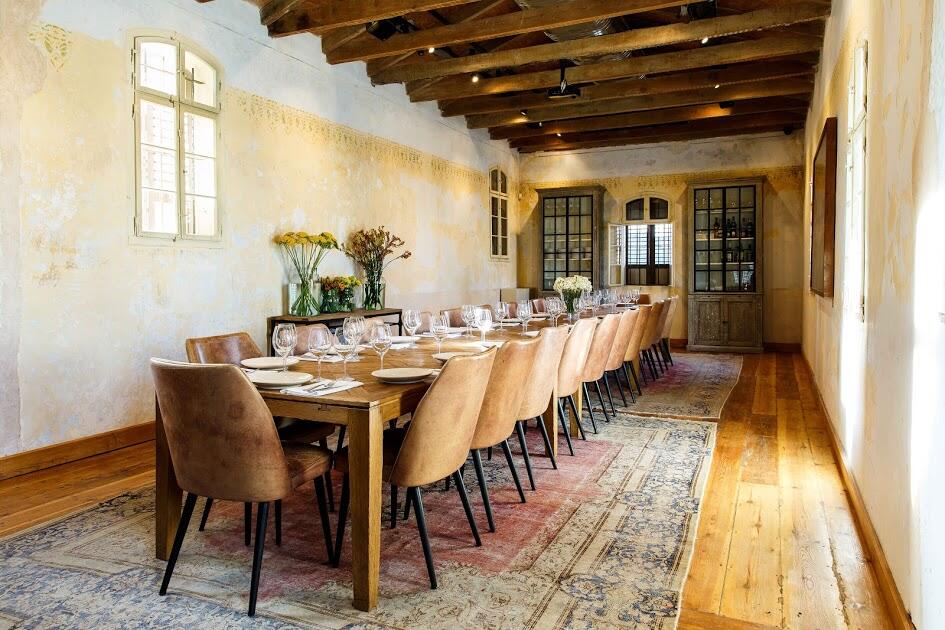
Claro
(Photo: PR)
How do you explain the hype around matcha?
“That is the thing, it is not hype,” Kolber says. “My mother, for example, does not drink coffee. She drinks matcha. We always knew it was something real, something that was part of our routine.”
“I was a matcha-obsessed kid,” Schneidman says. “At 13, I was baking matcha cookies and handing them out to friends, and everyone said, ‘What is wrong with you?’ What hooked me was that you can do so much with the powder. It is both an everyday product and something trendy. You want to taste it and be part of a wellness, health and superfood community.”
'Our parents truly believe in us,” Schneidman says. “Sometimes I tell my father, ‘You are just saying it is good because I am your daughter,’ and he tells me, ‘You have something good here. Do not give up in difficult moments.’'
It seems your connection to the trend is also linked to the environment you grew up in, where there is more exposure to experimentation and premium products.
“Exposure to premium products definitely plays a role,” Schneidman says, “but that is not why there is hype. Matcha speaks to a broad palate. Coffee culture has evolved significantly in recent years, so has wine culture, and matcha has also become a drink you consume every day.”
The two have known each other since childhood and say they are “like cousins.” “Our families spent a lot of time together, shared meals and gatherings. We became family in every sense,” they say. “As teenagers, we also formed a close friendship of our own.”
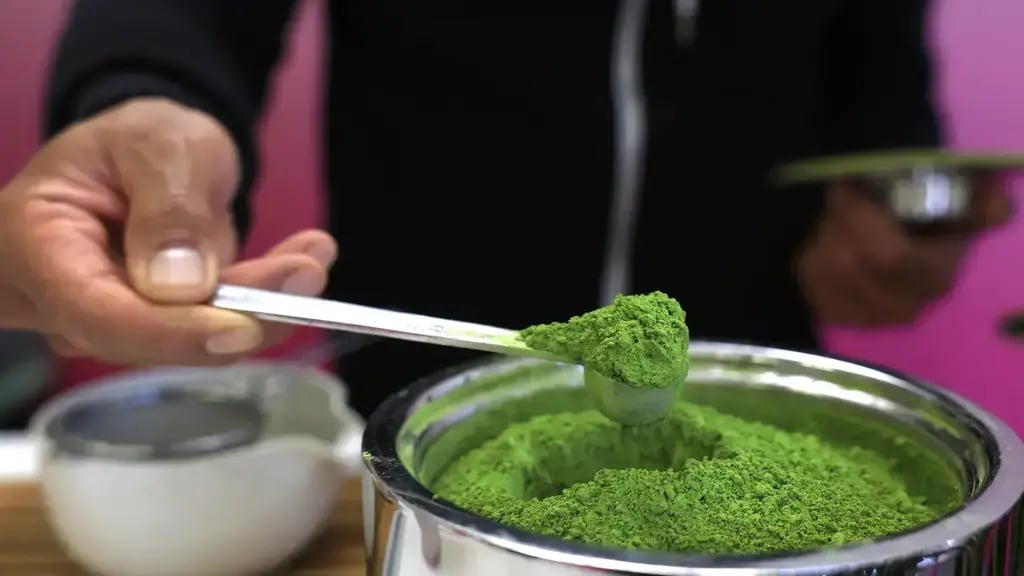
Matcha powder
(Photo: Justin Sullivan/ Getty Images)
What do your parents say about your success?
“They are incredibly supportive and proud of us. They know how to give good advice when needed and are always there,” Schneidman says. “We have the best support system in the world,” Kolber adds. “My mother, Ronit, has been in our WhatsApp group from the very beginning,” Schneidman says. “She loves the brand and gives us tips. I always joke that she is our best salesperson, because at every cafe she sits in, she asks whether they serve Mix and Matcha. When we first started, there were months when she packed matcha and customer orders and helped keep the business running while we were both studying.”
Kolber adds: “My mother owns a restaurant in Tel Aviv, and her team advises us. I talk to them a lot.”
And yes, Claro serves matcha.
“It was not automatic,” Schneidman says. “They held tastings and did not accept the product right away.” “It was a normal process, like with any cafe and any supplier,” Kolber says. “Aside from an introduction, there were no shortcuts. There is no financial juice here. What there is, is a strong consulting framework.”
“Our parents truly believe in us,” Schneidman says. “Sometimes I tell my father, ‘You are just saying this is good because I am your daughter,’ and he says, ‘You have something good here. Do not give up during the hard moments.’”