

Since Zohran Mamdani’s first victory as the Democratic candidate for New York's next mayor, prominent New York City business figures have voiced concerns over his possible mayoral win. Wealthy executives and company leaders have portrayed the 33-year-old Democratic candidate as too extreme for the city, fearing that a victory could drive many of New York’s richest individuals and major firms to relocate to lower-tax states like Florida or Texas.
Mamdani, known for his anti-Israel stance and pledge to issue an arrest warrant for Prime Minister Benjamin Netanyahu if elected, continues to gain ground in the race. He proposes sweeping reforms in housing, transportation, and welfare services, alongside tax hikes on high earners.
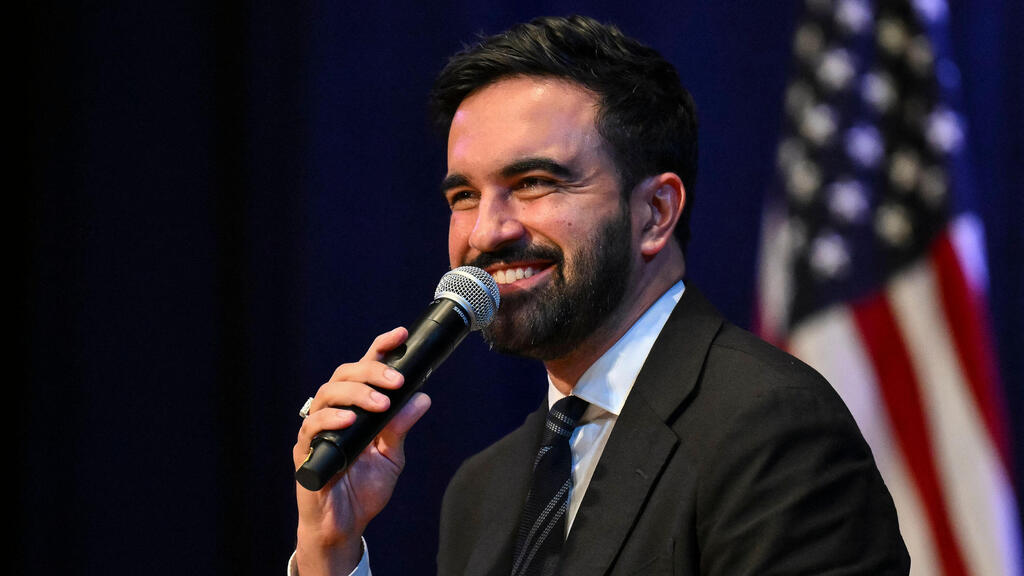
Surprisingly, he enjoys broad support from young, high-income professionals—tech workers, lawyers and financial advisors—who feel New York’s cost of living has become unsustainable.
Mamdani’s success isn’t accidental. Many young workers in tech firms, law offices, and investment companies, earning well above New York’s median income of $80,000, find the city’s expenses overwhelming.
His promises resonate with them. An analysis of his primary support, published by the New York Times, shows he won 67% of votes in affluent neighborhoods with median incomes of at least $200,000 and a median age of 45 or younger, compared to just 45% in areas where the median age exceeded 45.
Beyond voters, Mamdani’s campaign has seen a surge in personal donations since the primaries. Last month’s campaign data highlights strong backing from the tech sector, with Google leading contributions. At least 238 employees donated a total of $45,823 to his primary and general election campaigns, mostly from New York, though dozens live elsewhere.
Current Mayor Eric Adams and former Governor Andrew Cuomo received far fewer tech donations, with only four and eight Google employees contributing respectively, while Republican candidate Curtis Sliwa got a single donation from a Google worker. Amazon and Meta employees also feature prominently among Mamdani’s donors.
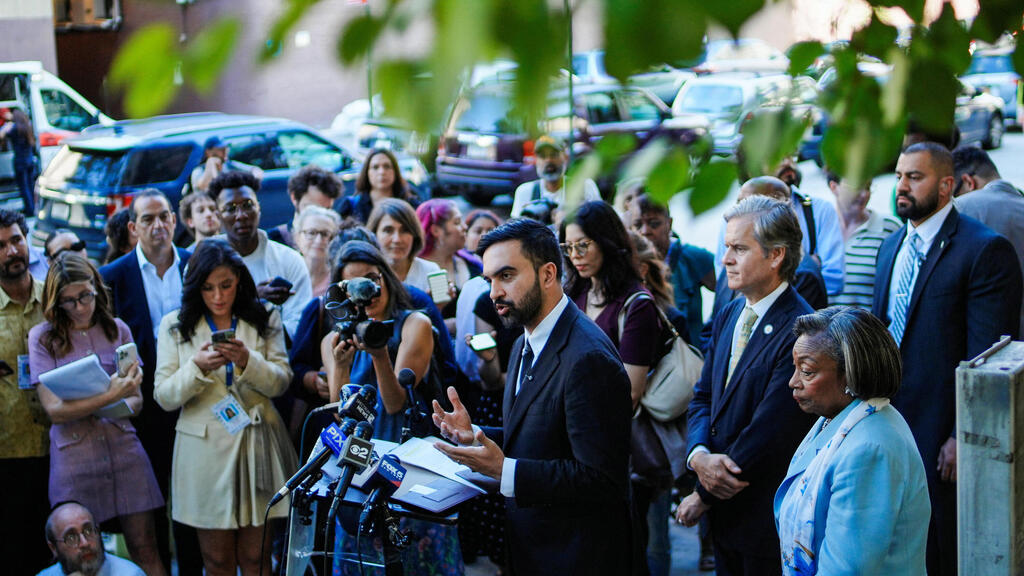
Mamdani
(Photo: REUTERS/Eduardo Munoz)
Sophie Wang, a 26-year-old analyst at a startup earning $150,000 annually, admits to financial insecurity despite living on the Upper East Side. “Many of my peers see the current political, economic, and AI rise as apocalyptic,” she said. She views Mamdani’s promises of affordable housing and free public transit as “a remedy for anxiety.”
Jessica Jin, a 34-year-old marketing worker at a city startup, worries New York is losing the diversity that drew her here. “We need to let people who aren’t just like me live here. That’s what makes it interesting,” she said.
Ananya Ramachandran, a 26-year-old IBM consultant earning $137,000, feels the pinch of rising bills and rent, cutting back on outings. She calls Mamdani “the most empathetic candidate” for this struggle.
Sage Eric Meyson, a 28-year-old lawyer at a top firm earning $225,000, still lives with his mother in a three-bedroom apartment to pay off student loans. He finds hope in Mamdani’s plan to build hundreds of thousands of affordable housing units, believing it could help his generation build a stable future in the city.