

Donald Trump is betting that sanctions and a naval blockade will inflict enough economic pain on Iran to force Tehran into concessions and prevent a return to fighting. So far, however, the pressure appears to be making Iran poorer without yet making its leadership more willing to compromise.
U.S. Treasury Secretary Scott Bessent has said the campaign is already having a dramatic effect, pointing to a plunge in the Iranian currency and triple-digit inflation, including a 150% rise in milk prices and a 190% increase in chicken prices. Yet according to a Wall Street Journal report, Tehran is responding not by capitulating but by shifting toward what analysts describe as a “survival economy,” designed to keep the state functioning even as living standards deteriorate.
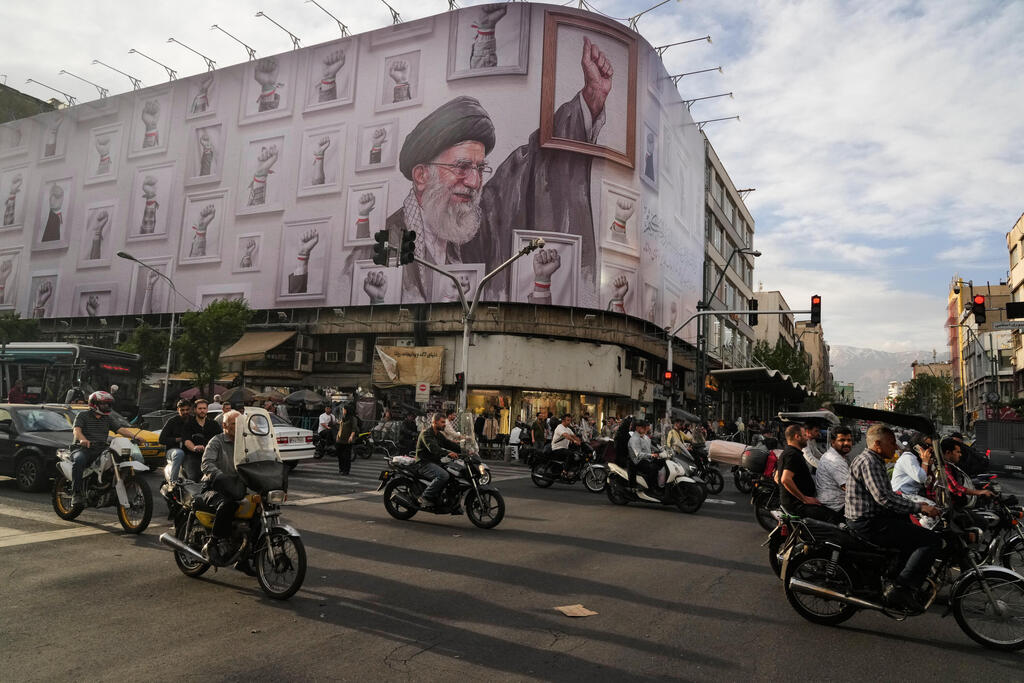
(Photo: AP Photo/Vahid Salemi, File)
The government is rationing scarce goods such as fuel and electricity, restricting access to foreign currency, printing money to cover salaries, cutting investment and pushing more of the burden onto households. At the same time, it is protecting strategic imports and the core institutions needed to keep the regime operating.
The likely result, analysts say, is deeper poverty, lower productivity and growing dysfunction. But those measures may also give Tehran more room to delay talks with Washington rather than make immediate concessions.
Iran has already introduced planned power cuts and restrictions on factories. Some plants have been allowed to shift production from weekdays to Fridays, traditionally a day of rest, in an attempt to make up for lost output.
The government has also allocated up to $3.5 billion to subsidize the exchange rate used for imports of essential goods, including wheat, medicine and infant formula, prioritizing those purchases over other uses of scarce dollars. Households are making their own adjustments, cutting spending on food, fuel and medicine.
Iran also has years of experience living under sanctions, which may make the regime more capable of absorbing pressure than Washington hopes. The prolonged confrontation gives Tehran another incentive to tighten its grip over the Strait of Hormuz, shifting some of the economic pain back onto the United States and its allies through disruptions to oil and shipping.
The longer the crisis continues, the greater the risk that pressure begins to rebound on Trump. Continued disruption to global energy and shipping markets could push inflation higher in the United States ahead of the midterm elections.
“This pressure will simply shift Iran gradually from a resilient economy that can absorb shocks to a survival economy that keeps functioning, but over time loses its ability to recover,” Hadi Khalazadeh, a researcher at the Quincy Institute and former senior official at Iran’s Social Security Organization, told the Wall Street Journal.
“The repression and structure of the regime make it difficult for economic damage to translate into pressure heavy enough to change decisions on national security issues,” he added.
The economic damage is nevertheless substantial.
Iranian oil exports, which provide much of the country’s revenue and foreign currency, fell to nearly zero in July following the renewed naval blockade, down from $4.5 billion in June, according to data compiled by Capital Economics.
Iran’s oil stored at sea also fell sharply, from around 180 million barrels at the beginning of July to about 60 million barrels. The International Monetary Fund forecasts that Iran’s economy will contract by 5.4% this year, while other estimates suggest the war has wiped out between 2 million and 3 million jobs.
For Trump, that exposes the central weakness in the strategy. It may be relatively straightforward to impoverish Iran further. It is much harder to turn that economic deterioration into a change in Tehran’s policy.