

After unveiling the first electric car in its history, Ferrari faced an atypical response: near-universal condemnation. The “Luce”, designed by a collective led by former Apple designer Jony Ive and Marc Newson, drew harsh criticism from brand fans, industry executives and investors.
Most notably, former Ferrari chairman Luca di Montezemolo, who led the brand for more than two decades, called the new car a “betrayal of Ferrari’s history”. “I hope that they take off the prancing horse (logo) from that car,” he told reporters.
The controversy even reached the Italian government. Deputy Prime Minister Matteo Salvini, who also serves as transport minister in Giorgia Meloni’s government, questioned how the brand’s founder Enzo Ferrari would have reacted to the new creation. “This doesn't look like (a Ferrari) at all. Is this supposed to be 'innovation'?” he wrote on X.
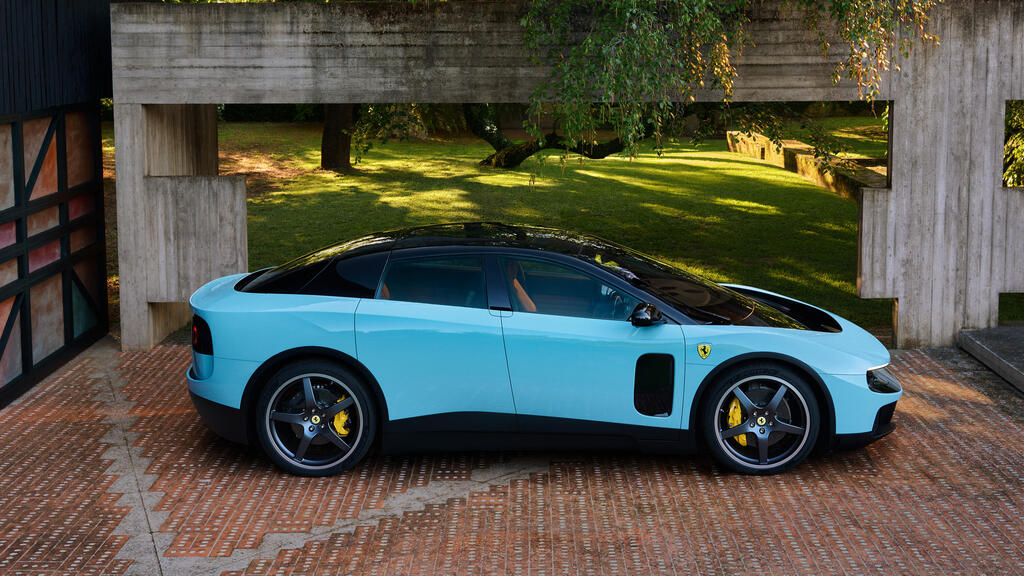
In a highly unusual move for Ferrari, the company’s stock fell more than 8% on the first trading day after the car’s unveiling. Fabio Caldato, an asset manager at AcomeA SGR, an investment firm holding shares in the Italian manufacturer, told Reuters that the company was being “being penalised for an aesthetic disappointment, which follows the significant concerns over the expansion of its range to include electric models”.
That concern is not occurring in a vacuum. A range of large and established Western automakers have suffered costly setbacks in the electric vehicle sector in recent years. Lamborghini, for example, scrapped plans for an electric model, while others including Porsche, Volvo, Honda, General Motors, Ford and Stellantis (Peugeot-Fiat-Chrysler) have announced significant cuts to their electric vehicle rollout plans, writing off tens of billions of dollars in investments.