

The Israeli shekel continued to strengthen against the U.S. dollar this week, reaching its highest level in nearly four years, as financial markets rally and geopolitical risk premiums ease.
The dollar slipped 0.9% to around 3.19 shekels, while the euro fell 1% to below 3.70 shekels. The Tel Aviv Stock Exchange also surged to new highs, with the TA-35 benchmark index climbing past the 3,400-point mark.
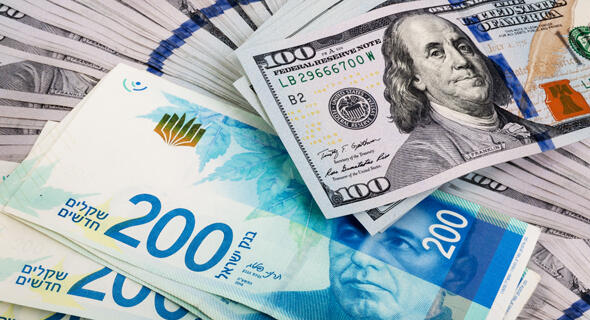
The shekel’s recent rally follows a broader trend that began in spring 2022. After hovering around 3.25 shekels per dollar, the currency began appreciating, reaching a low of 3.16 shekels in February that year and trading just above 3.08 in January.
Analysts attribute the shekel's gains to multiple factors. Chief economist Alex Zabezhinsky of Meitav Investment House said the currency is benefiting from rising U.S. equities, which prompt Israeli institutional investors to convert dollars into shekels. In addition, he pointed to renewed foreign investment, lower Israeli risk premiums and a robust current account surplus.
S&P’s decision on Friday to raise Israel’s credit outlook to "stable" also bolstered market sentiment, amid signs of reduced geopolitical tensions following the stability of the ceasefire agreement in Gaza.
Einat Meir, a macro strategist at Discount Bank, said the shekel has now hit a three-year high due to this decline in perceived risk. “The narrowing of Israel’s credit default swap (CDS) spreads and the drop in yields on Israeli government bonds relative to U.S. Treasuries—now below 90 basis points—signal improved confidence,” she noted.
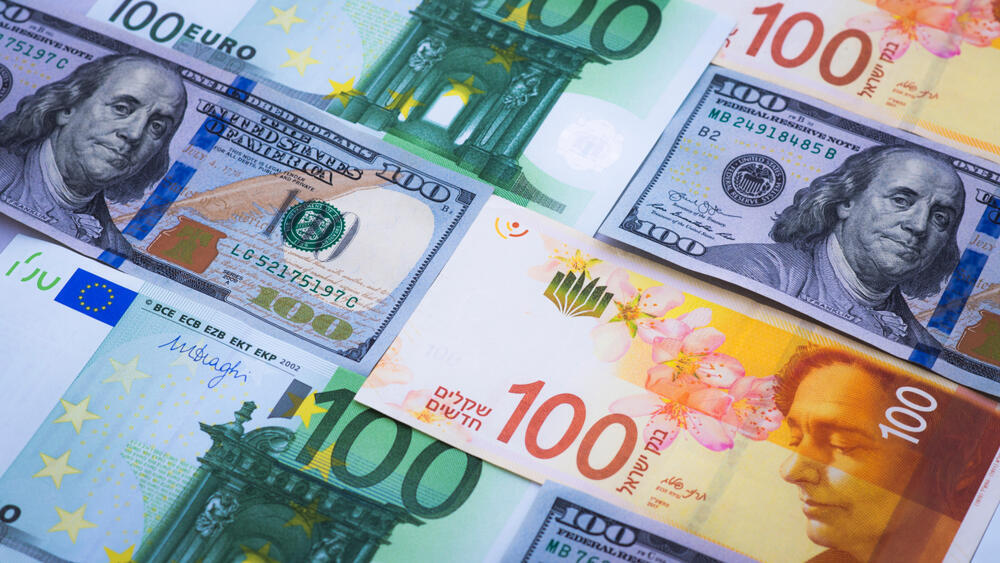
(Photo: Shutterstock)
Meir added that the Bank of Israel may take these trends into account in its upcoming rate decision, scheduled for Nov. 24. “If Friday’s inflation reading doesn’t surprise to the upside, the strengthening shekel and falling risk premiums could support a rate cut,” she said.
Globally, the dollar index rose 0.1% to 99.6. The euro held steady just under $1.16, while the British pound dipped 0.2% to $1.31.
In the U.S., markets are awaiting updates on congressional negotiations to avert a federal government shutdown. It remains unclear whether October’s Consumer Price Index report, scheduled for release Thursday, will be published on time due to the shutdown. While September’s CPI was released after a special exemption was granted—due to its role in calculating Social Security adjustments—no such rationale currently exists for October data.
Investors are hoping the deadlock ends before the Federal Reserve’s next meeting on Dec. 10, so that missing macroeconomic reports—especially the employment figures for September, October and November—can be released. Markets are currently pricing in a 67% chance of a Fed rate cut in December.