

The United Arab Emirates’ shock announcement that it is leaving OPEC is a severe blow to the oil exporters’ alliance and to its leading rival for influence, Saudi Arabia. The move comes at a particularly sensitive time, as the conflict in the Middle East has triggered a historic energy shock and destabilized the global economy.
The UAE’s decision follows a series of missile and drone attacks by fellow OPEC member Iran, while the closure of the Strait of Hormuz has disrupted Emirati exports and weighed on the backbone of its economy. Gulf oil producers in OPEC have already faced growing difficulty moving their output through the strait, the chokepoint between Iran and Oman through which about one-fifth of the world’s crude oil and liquefied natural gas shipments pass in normal times.
Gallery
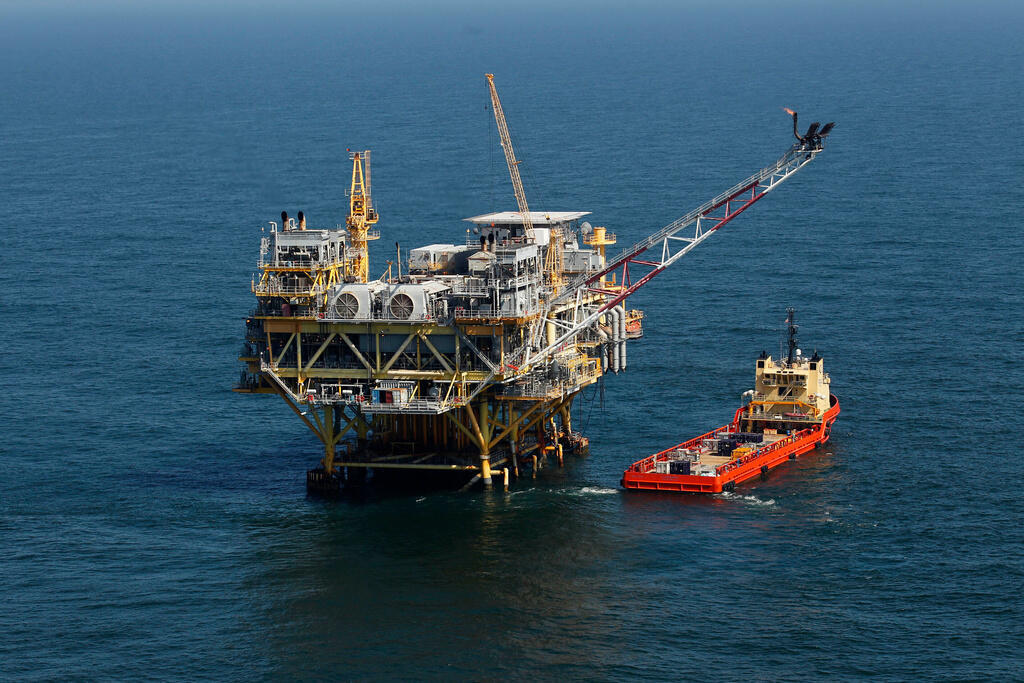
Offshore oil drilling. The crisis with Iran has turned the tables
(Photo: Gerald Herbert / AP)
“The UAE exit is another chapter in the changing membership of the group,” Andy Lipow, president of Lipow Oil Associates, told CNBC. “If countries that are abiding by their quota get disgusted with those that don’t, we could see additional exits that could eventually make OPEC irrelevant as a cartel.”
Qatar, Ecuador and Angola have left the organization in recent years, citing frustration over production quotas or shifts in national priorities. Angola left in 2024, while Qatar ended its membership in 2019. The cartel has long struggled with uneven compliance with quotas, with some members, including Iraq and Kazakhstan, historically exceeding their limits.
OPEC is implementing central production quotas that are supposed to cut output by about 2 million barrels per day through the end of 2026. Eight key OPEC producers, including Saudi Arabia and Russia, agreed April 5 to begin a cautious rollback of their voluntary production cuts, gradually returning about 206,000 barrels per day to the market from a broader cut of 1.65 million barrels per day first introduced in 2023, according to an official OPEC statement.
The UAE’s departure comes as OPEC faces internal strains. Several members, including Iran, Libya and Venezuela, are exempt from quotas due to sanctions or conflict, complicating efforts to maintain cohesion. Lipow said frustration over uneven compliance could push more countries to leave.
“Countries that are tired of seeing their fellow OPEC and OPEC+ members consistently cheat on their quotas are candidates to leave these groups,” he said.
At the heart of the UAE’s decision is a familiar tension: Members that have invested heavily in expanding production capacity are increasingly unwilling to be constrained by quotas intended to support prices. The UAE pumped about 2.37 million barrels per day in March, compared with sustainable production capacity of about 4.3 million barrels per day, according to the latest International Energy Agency figures.
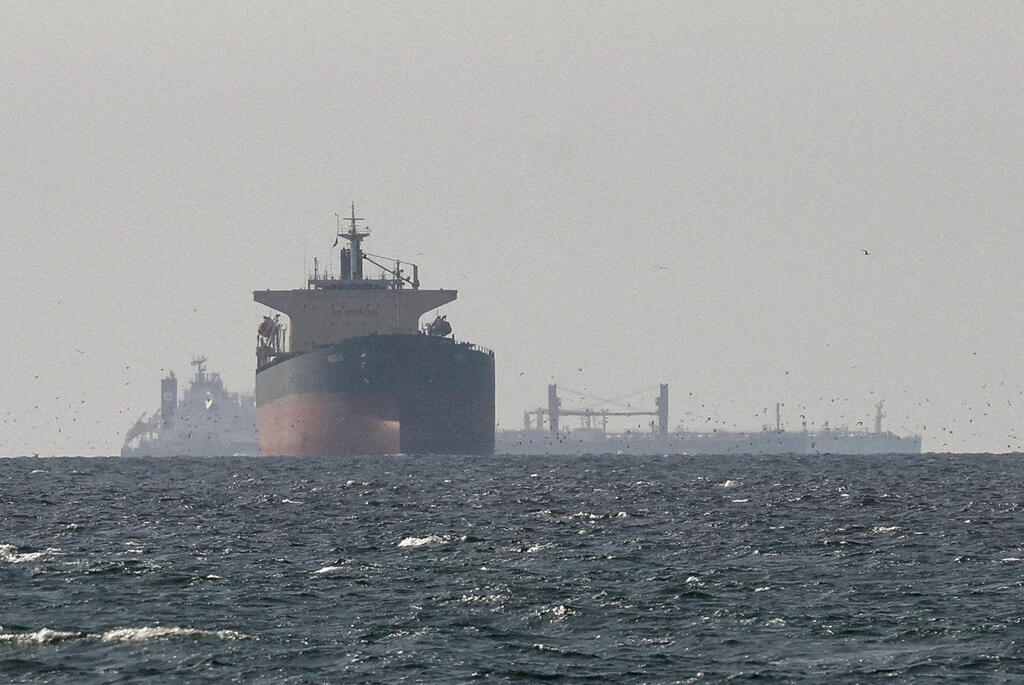
Oil tanker near the Strait of Hormuz. Traffic in the area has almost completely stopped
(Photo: REUTERS/Stringer)
Analysts pointed to several countries at risk of leaving because of frustration with OPEC restrictions. Matt Smith, lead oil analyst at Kpler, flagged Kazakhstan as a leading candidate, citing its continued overproduction.
“Kazakhstan has been vastly over producing last year, and so they may be seeing this as a potential out for them to leave the group as well,” Smith said, adding that Nigeria could also be a candidate.
“Nigeria is in a similar position about not wanting to be hamstrung: it is a potential flight risk because it is becoming more self-sufficient. By redirecting its domestic crude production to the Dangote refinery, Nigeria is less reliant upon global market dynamics.”
Venezuela is another possible candidate, market experts said. With output recovering faster than expected and a more U.S.-friendly political environment emerging, Caracas may seek greater flexibility.
What happens next?
In the short term, as long as the Strait of Hormuz remains blocked, the immediate effect on the oil market is limited. But in the long term, once the strait reopens, the UAE is expected to flood the market with production free of quotas, leaving OPEC weaker than ever and global oil price stability less certain.
The UAE’s departure undermines the cartel’s ability to influence the oil market because the Emirates is second only to Saudi Arabia in spare production capacity, the main tool OPEC uses to stabilize prices. It is also a direct blow to Saudi Arabia’s ability to manage the organization.
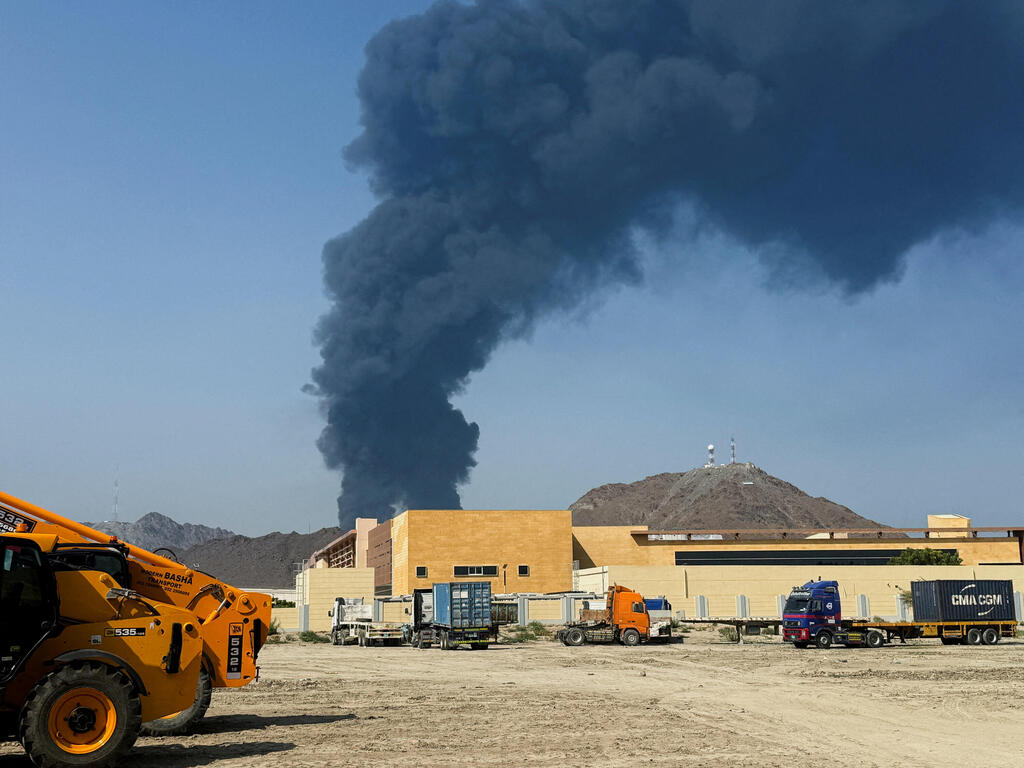
Iranian strike on oil facilities in the United Arab Emirates
(Photo: REUTERS/Staff)
“Losing a member with 4.8 million barrels per day of capacity, and the ambition to produce more, takes a real tool out of the group's hands,” said Jorge León, head of geopolitical analysis at Rystad Energy. “With demand nearing a peak, the calculation for producers with low-cost barrels is changing fast, and waiting your turn inside a quota system starts to look like leaving money on the table.”
Analysts noted that oil prices crossed $100 a barrel for the first time since April 10 after peace talks with Iran also collapsed. Brent crude jumped to nearly $113 a barrel. In the longer term, however, the impact could be the opposite: lower prices. John Kilduff, founder of Again Capital, said the UAE’s departure weakens the cohesion needed to prevent prices from falling sharply during periods of oversupply.
Another immediate consequence is that the UAE is now free to produce as it sees fit. Emirati officials said the country would continue to act responsibly following its departure and would bring additional production to the market gradually and in a measured way, in line with demand and market conditions.
Asked about tensions with Saudi Arabia, UAE Energy Minister Suhail al-Mazrouei said the Emirates did not consult Saudi Arabia or any other country before making the decision.
“This is a policy decision,” he said. “It was made after a careful review of current and future policy regarding production levels.”
According to Ahmad al-Halal of The Asia Group, Saudi Arabia and the UAE are the two largest economies in the Gulf, and any deterioration in relations between them could damage broader cohesion among Gulf Arab states.
“It will have a lasting impact on regional security coordination and international business,” he said.