

Hundreds of dairy farmers drove tractors and farm vehicles to Jerusalem on Wednesday to protest a government plan to reform the dairy industry, demonstrating outside the Knesset and the Finance Ministry.
The farmers, who say the reform will cripple small milk producers across Israel, traveled from Masmiya Junction near Ashdod toward the capital.
Gallery

Hundreds of dairy farmers drove tractors and farm vehicles to Jerusalem on Wednesday to protest a government plan to reform the dairy industry
In remarks to reporters and supporters along the way, dairy farmer Uri Tene vowed to press on despite opposition. “We’re coming to Jerusalem with our tractors and agricultural roads to tell Smotrich: ‘You won’t stop us from producing milk for the citizens of this country,’” he said, referring to Finance Minister Bezalel Smotrich.
The protest briefly disrupted traffic on eastbound Highway 1 at Sha’ar HaGai, though the road was later reopened.
At issue is a proposed overhaul of long‑standing regulations on the dairy sector that would dismantle elements of the current system, including production quotas and price targets, and open the market to greater competition. The plan also calls for limited protections for farmers, including subsidized purchase requirements and a mechanism to buy out quotas.
In recent days, farmers staged a boycott of milk deliveries to major dairies in protest of the reform, stirring consumer concern about potential shortages of milk and cheese. The boycott, however, was suspended Tuesday after discussions with Agriculture Minister Avi Dichter. Dairy farmers said the halt in deliveries was planned initially as a 24‑hour “warning measure,” and that it did not cause widespread shortages on store shelves.
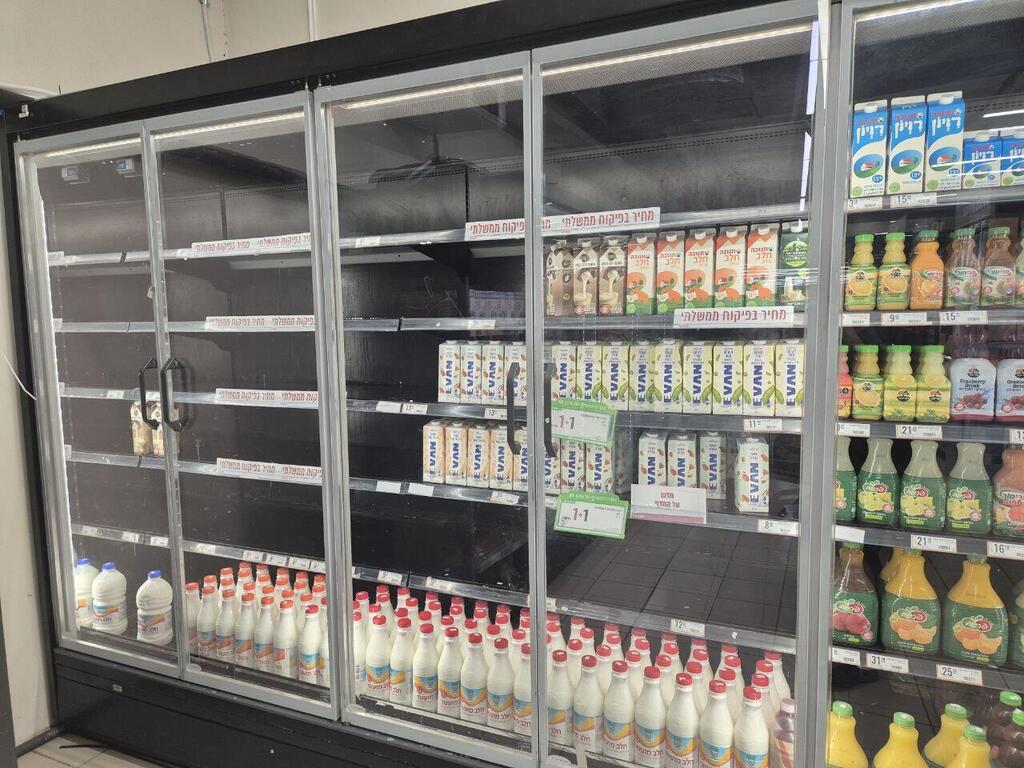
Milk shortage at a supermarket as farmers stage a boycott of milk deliveries to major dairies in protest of the reform
“We received a message from the agriculture minister, who supports us in this struggle,” dairy farmer Kfir Levi said Wednesday in an interview with ynet. “He asked us to stop the milk delivery pause, and we were happy to comply. Of course, we keep that tool in our pocket for the future. We may use it again if all other avenues fail.”
Levi acknowledged that halting deliveries was not something the farmers wanted. “It’s not something that should happen or that we want, but when we fight for our livelihoods, for our homes, for Israeli agriculture and everything that comes with it, including the national and nutritional security of Israeli citizens, for us it’s a legitimate tool.”
Retailers also felt the ripple effects of the protest. Eitan Yochananof, owner of the Yochananof supermarket chain, said that while supplies remained steady, demand surged as consumers reacted to fear of a shortage. “We continued to supply milk as usual thanks to higher production,” he said. “Yes, there was strong demand and we had to limit purchases. But there is milk, and we’re glad the protest is paused. I hope the sides will reach understandings. Agriculture in Israel is very important.”
Earlier, Smotrich said he intends to sign an order in the coming days allowing milk imports from abroad. But with the protest now suspended, and in an effort to avoid further escalation with farmers, he appears to have backed away from immediate implementation of that policy.
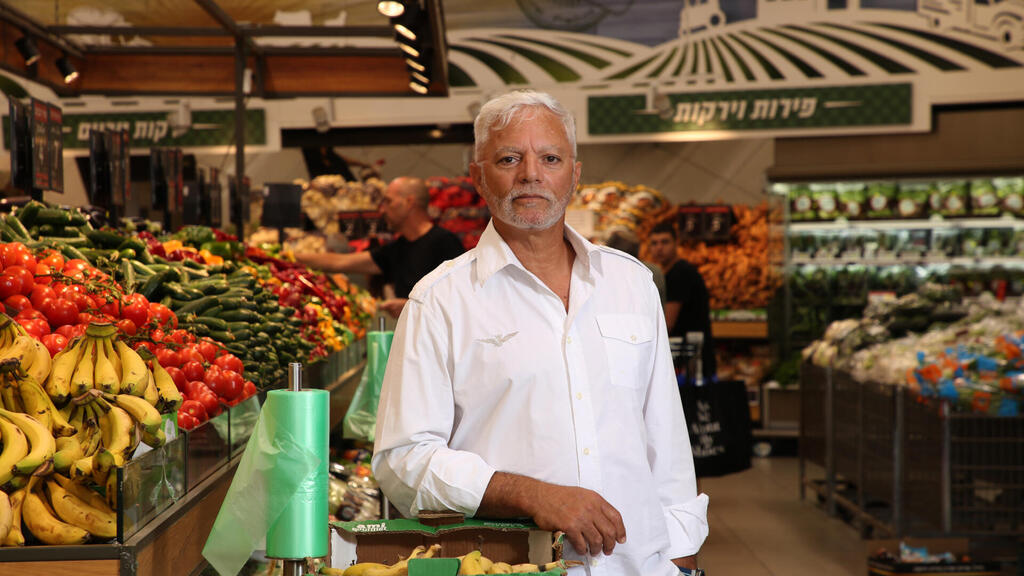
Eitan Yochananof
(Photo: Ryan Frois)
Retailers like Yochananof acknowledged the need to balance consumer interests and supporting domestic producers. “We need to find the golden path between the need to import and local production,” he said, “especially when a sector is less competitive. But that has to be done with the necessary sensitivity to preserving our important farmers.”
The dairy protest also intersected with parliamentary maneuvering over the reform. Dairy farmers had pinned hopes on an effort by Knesset legal adviser Sagit Afik to remove the dairy reform from the broader “arrangements law” being rushed through the state budget. But coalition lawmakers rejected that bid. After midnight Tuesday, the Knesset committee approved keeping the reform in the budget bill and referred it to the Committee on National Projects, chaired by Religious Zionist Party lawmaker Ohad Tal.