

To fairly assess the political and economic effects of Britain's decision to leave the European Union, three major geopolitical events that shaped the past decade must be acknowledged: the COVID-19 pandemic and the global economic crisis that followed, the war in Ukraine and the energy crisis it triggered, and Donald Trump's return to the White House and the tariff war that accompanied it.
Even with those caveats, Britain appears to have dug itself into a hole from which it is still struggling to escape. According to recent polls, more than two-thirds of Britons would like to return to the EU. Nearly none of the promises made to voters have been fulfilled. Regulations were not cut, the country remains deeply divided, immigration policy is more troubled than ever—with immigration rates roughly doubling compared with the pre-Brexit years—and the funds that were promised for public services never materialized. Above all, Brexit has become an embarrassing economic fiasco that forced Britain to confront the reality of its size and economic strength outside the EU's single market.
Gallery
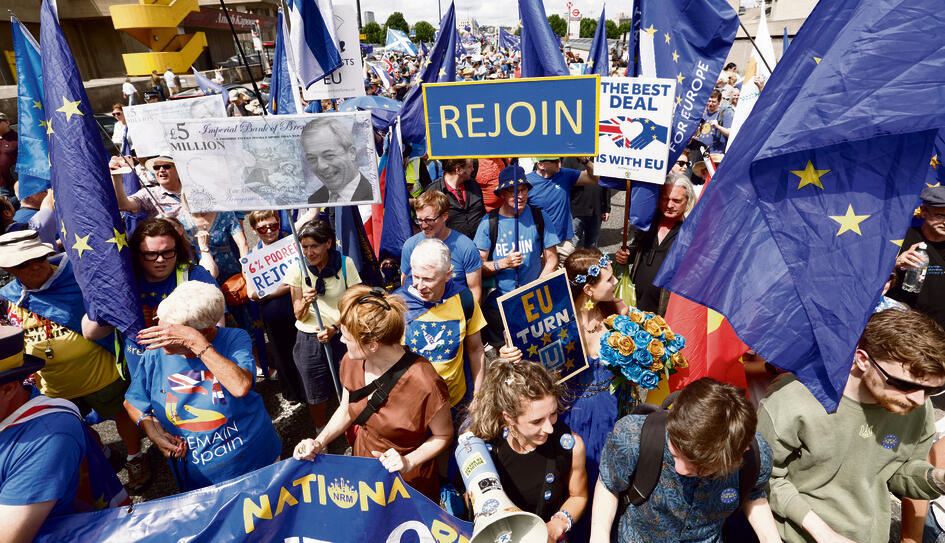
Britain appears to have dug itself into a hole from which it is still struggling to escape
(Photo: Brook Mitchell, Getty Images)
Brexit optimists point out that forecasts were far more dire than what actually occurred. No major recession materialized, the economy did not collapse and the housing market remained intact. Yet Britain's growth potential has effectively stalled over the past decade. The cost of living has risen, quality of life has declined, productivity has weakened and investment has fallen. Slower GDP growth has reduced government revenues, increased tax pressures and limited spending on infrastructure, research and development. In this context, Prime Minister Keir Starmer's dramatic resignation on Monday marked the departure of the sixth British premier in the past decade.
London and the rest
Before Brexit, British farmers could ship trucks and containers across Europe as easily as they delivered goods within England. Since leaving the EU, every shipment requires health inspections, paperwork and extensive bureaucracy. The added burden has made exports more expensive and less competitive than those from producers operating within the European market. Large companies have had to dedicate entire teams to managing trade with Europe, while many smaller firms have simply abandoned the European market altogether.
The damaging impact of Brexit can also be seen in what remained largely unaffected. London continues to be the world's second-most important financial center and has retained much of its influence. That is largely because financial services are digital and not subject to the same physical trade barriers as goods. British consulting and marketing services remain in high demand; agricultural and industrial products do not. Economically, Brexit has effectively created two Britains: London and everyone else.
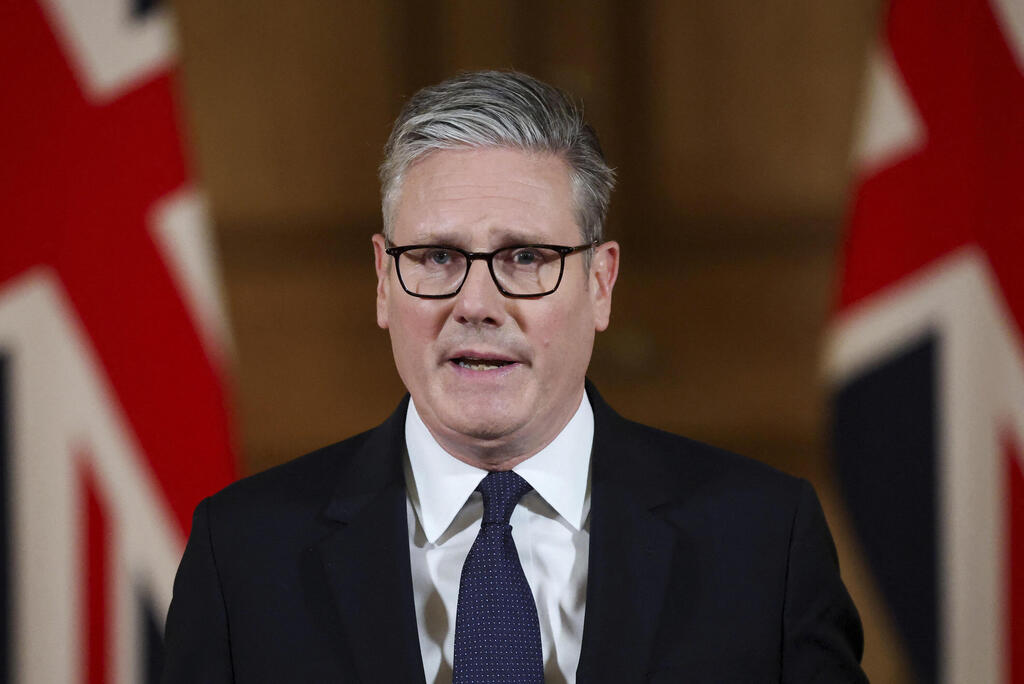
Prime Minister Keir Starmer's dramatic resignation on Monday marked the departure of the sixth British prime minister in the past decade
(Photo: Toby Melville, Pool Photo via AP)
Despite the deterioration in Britain's economic indicators and growing public support for rejoining the EU, many economists and business leaders warn against attempting to reverse Brexit. They argue that the British economy is still adjusting to the changes, and a sudden policy U-turn could create another period of instability, especially following Starmer's resignation.
Others counter that, with India's growing economic influence, China's increasing assertiveness and uncertainty over U.S. policy under Trump, strengthening ties with neighboring European countries has become an economic necessity for Britain.
A falling currency and stagnant wages
The dire predictions of "Project Fear," as Brexit supporters dubbed them, did not fully come to pass. Britain did not plunge into economic catastrophe. Yet a decade-long view of the data illustrates how damaging Brexit has been.
The European Union remains Britain's largest export and import market, but trade volumes have declined both in absolute terms and relative to other major European economies. Speaking to the Guardian, British economist Nicholas Bloom compared the situation to a shop moving from the center of town to the outskirts. "You make it harder to get there and back, and not surprisingly there is less demand. And you add to the uncertainty by opening and closing all the time, and people don’t know if you’re there," he said.
Even the one indicator that appears largely unaffected by Brexit—Britain's unemployment rate—comes with significant caveats. The first is a sharp rise in unemployment among people under 24 and those outside higher education. The second, and more significant, is the severe stagnation in wages. Pay increases over the decade since Brexit have failed to keep pace with soaring housing costs and the broader rise in the cost of living that followed Britain's departure from the European Union.