

U.S. cybersecurity giant Palo Alto Networks is spending a staggering $25 billion to acquire CyberArk, an Israeli firm based in Petah Tikva. The deal is more than just a high-profile buyout; it represents a strategic move to fill a critical gap in Palo Alto’s vast suite of digital defense products for organizations around the world.
Guardians of the gatekeepers
To understand the rationale, imagine the global cybersecurity landscape as a sprawling digital city. Palo Alto Networks acts as one of its chief architects, constructing fortified walls, advanced surveillance systems and rapid response units. But even the most secure cities have vulnerabilities—small, essential entry points that, while necessary, also pose significant risks. Think of the most secure vaults: they still require master keys.
This is where CyberArk comes in. The company specializes in guarding those digital “master keys”—the privileged access points that lead to the most sensitive parts of an organization's infrastructure.
Known in industry terms as "identity security," this field ensures that only authorized personnel can access and use these high-level credentials. CyberArk’s technology focuses not on ordinary employee accounts but on privileged accounts—those held by senior IT administrators, top developers and even automated “AI agents” programmed to carry out sensitive tasks.
A malicious actor who gains control of one such privileged account could inflict massive damage, from stealing vast troves of data to disabling critical systems or deploying sophisticated malware.
With this acquisition, Palo Alto Networks aims to strengthen its hold on a segment of cybersecurity that is increasingly vital: ensuring that even those with the highest levels of access remain under tight control.
The secret handshake
Whenever someone attempts to use a “master key,” CyberArk’s platform ensures, through sophisticated mechanisms, that their identity is thoroughly verified. It enforces strict access rules, logs every action in tamper-proof records and automatically revokes or rotates credentials immediately after use.

(Photo: Shutterstock)
CyberArk also specializes in protecting what might be called “secret handshakes” between machines. Much like covert spy rings using constantly changing signals to identify one another, software applications, automated scripts and cloud services use rotating credentials—hidden passwords, API keys and digital certificates—to authenticate and communicate.
If these digital secrets fall into the hands of hackers, entire systems can be compromised without needing a single human password. CyberArk secures and manages these secrets within a digital “black box,” only revealing them for a fleeting moment to verified machines at the exact time they are needed.
Get the Ynetnews app on your smartphone: Google Play: https://bit.ly/4eJ37pE | Apple App Store: https://bit.ly/3ZL7iNv
This same principle is applied to everyday devices such as laptops, desktops and workstations. CyberArk’s Endpoint Privilege Manager ensures users receive only the permissions necessary to perform their jobs—no more, no less.
Palo Alto Networks recognizes that in the age of artificial intelligence and automation, machine identities now outnumber human ones. With AI agents increasingly taking over tasks once performed by people, identity-based cyberattacks are becoming more common. Palo Alto understands that securing this expanding identity landscape is no longer optional—it’s essential.
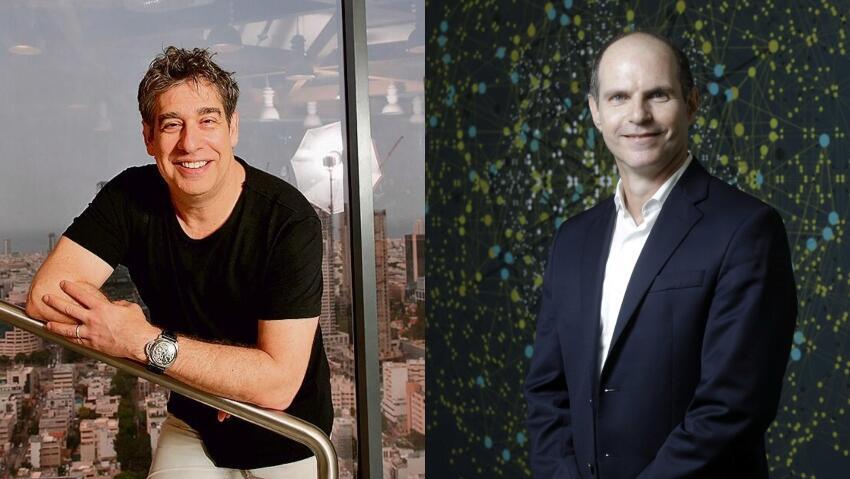
Palo Alto Networks co-founder Nir Zuk, CyberArk co-founder Udi Mokady
(Photo: Amit Shaal, Ryan Frois)
That’s why CyberArk’s expertise makes it a strategically invaluable acquisition. The company is poised to guard the “master keys” for the digital fortresses Palo Alto has spent years constructing: the walls, gates, surveillance systems and rapid-response mechanisms. As more people work remotely and AI automates more operations, knowing who holds which key, who is allowed to access which fortress and why that access is needed, is just as crucial as the defenses themselves.
CyberArk currently serves more than 10,000 customers worldwide, primarily in sectors dealing with highly sensitive data and critical infrastructure—including finance, energy, retail, healthcare and government. That track record is a compelling dowry even for a giant like Palo Alto Networks, which supports over 70,000 organizations in more than 150 countries.
Together, the two companies create a cybersecurity powerhouse—poised to dominate the industry for years to come.