

The country behind the mega-deal announced by Elbit Systems about a month ago is the United Arab Emirates, according to the French website Intelligence Online. The deal is valued at about $2.3 billion and is considered the largest in Elbit’s history.
Shortly after the agreement was signed, Elbit informed the Tel Aviv Stock Exchange that the deal centers on a “strategic solution for an international customer.” Calcalist reported on Monday that the deal could erode Israel’s military edge in the Middle East due to the unique and advanced system at its core. Many details of the agreement are subject to a publication ban in Israel.
Israel and the United Arab Emirates signed a peace agreement about five years ago as part of the Abraham Accords promoted by U.S. President Donald Trump during his first term. Since then, Israeli defense companies, including Elbit and Israel Aerospace Industries, have opened official offices in Abu Dhabi.
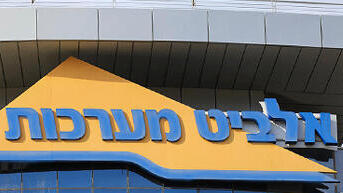
At Elbit headquarters
(Photo: Shutterstock)
According to foreign reports, batteries of IAI’s Barak MX missiles were sold to the UAE shortly after the signing of the peace agreement. Earlier this year, the Emirati EDGE Group acquired a 30% stake in Third Eye Systems, an Israeli company that develops and manufactures systems for disrupting drones and unmanned aerial vehicles.
At the same time as signing the peace deal with Israel, the UAE sought to purchase F-35 fighter jets from U.S. defense contractor Lockheed Martin. Prime Minister Benjamin Netanyahu gave his consent to the sale, but the deal has yet to materialize due to conditions set by the U.S. administration, including a demand to retain remote control over the aircraft over concerns that sensitive technology could leak to China. That requirement dampened the UAE’s enthusiasm for advancing the deal.
China and the UAE maintain close ties, and while Washington fears the leakage of F-35-related secrets to Beijing, even at the cost of losing a major deal, Israel appears to be showing considerably greater flexibility on the issue.