


After opening a bank account, securing an apartment and navigating how credit works in Israel, many new immigrants face a different kind of challenge, the day-to-day details of managing money in a system that operates differently from what they know.
These insights are based on the experience of Gila Yosef, a branch manager at Bank Leumi’s Netanya branch who has worked extensively with new immigrants through outreach programs and one-on-one guidance(Read part 1).

This is Part 2 of a two-part guide to avoiding costly banking mistakes in Israel, focusing on the everyday financial decisions that can make a difference in your first months in the country.
Fees are part of the system
Another early frustration is the appearance of bank fees for routine activity. “Almost every action in the account has a fee,” said Yosef. For many new immigrants, this comes as a surprise. Depositing money, withdrawing cash or carrying out certain transactions can all incur small charges, which add up over time if not understood.
Banks sometimes provide temporary benefits for new immigrants, such as reduced or waived fees during the first year. Yosef recommends using that period not just as a financial cushion, but as a learning phase. “This is the time to understand how the account works,” she said in effect. Becoming familiar with how and when fees are charged can help prevent unnecessary costs later on.
She advises paying attention to transaction habits. For example, frequent small withdrawals or using non-bank services can increase expenses. One common mistake is withdrawing cash from private ATM machines, such as those in convenience stores, which can charge significantly higher fees than standard bank ATMs. Instead, Yosef suggests sticking to official bank machines, where costs are lower and more predictable. She also encourages new immigrants to review their monthly statements early on, ideally with a banker, to identify where fees are coming from and how to reduce them. Small adjustments in behavior, she said, can make a noticeable difference over time, especially in the first months of settling in.
Some services require a credit card
Setting up basic services in Israel, especially mobile phone plans, often requires a credit card for automatic billing, something that can catch new immigrants off guard. “Olim want only a debit card, but without a credit card they can’t always activate services,” Yosef said.
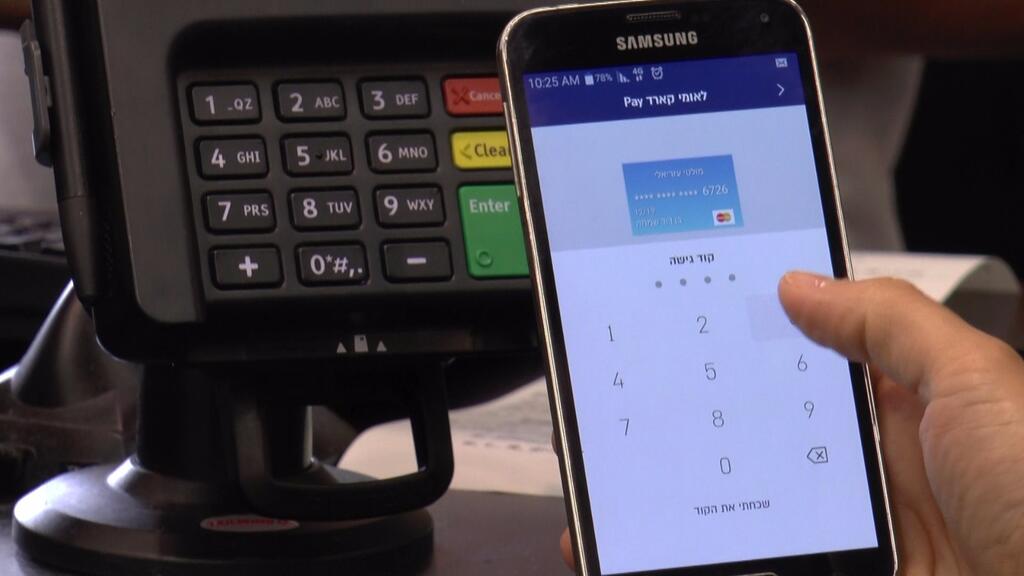
For example, a new arrival may receive a SIM card at the airport, but when they try to activate a monthly plan, the provider asks for a credit card to set up a recurring charge. Without it, they may be limited to prepaid options or unable to complete the process at all. Similar requirements can apply to services such as internet, television subscriptions and some online platforms, where companies rely on automatic billing rather than manual payments.
Understanding this early, can help avoid delays in getting connected. Yosef often recommends setting up a credit card soon after opening an account. Bankers can guide new immigrants through the process of authorizing recurring payments so essential services run smoothly.
Managing money across currencies
For those arriving with savings in foreign currencies, managing funds across different currencies can be confusing, especially in the first months when expenses are in shekels but savings may still be in dollars, euros or another currency.
Yosef said banks typically recommend opening multi-currency accounts so customers can hold foreign currency and shekels under one account and convert funds when needed. This can help reduce unnecessary conversion costs and simplify financial management. Without this setup, new immigrants may convert large sums all at once without understanding exchange rates or fees, or repeatedly convert smaller amounts and lose money each time. Exchange rates can fluctuate, and timing conversions poorly can also affect how much money they ultimately receive in shekels.
 Gila Yosef, Netanya Branch manager at Bank Leumi Photo: Micha Loubaton
Yosef advises planning ahead rather than converting funds reactively. For example, if you know your monthly expenses, it may be more efficient to convert only what you need, while keeping the rest in foreign currency until rates are more favorable. She also recommends checking with the bank about conversion fees and available options before making transfers. In some cases, banks can offer more favorable terms or structured solutions for regular transfers from abroad.
For those who continue to receive income from outside Israel, such as salaries, pensions or rental income, having a multi-currency setup can make ongoing transfers smoother and easier to track. As with other aspects of the system, Yosef emphasizes that understanding how conversions work early on can prevent unnecessary losses. A short consultation with a banker, she said, can help clarify when to convert, how to manage balances and how to avoid paying more than needed in fees.
Guidance matters more than access
Once the initial hurdles are behind you, it is often the smaller, everyday decisions that shape your financial experience in Israel. Fees, payment methods and currency management may seem minor, but they can quickly add up if not handled carefully. With the right habits and a clearer understanding of how the system works, those challenges become manageable. For many new immigrants, the difference is not access, but awareness, knowing what to expect and how to adjust early on.
The takeaway is not that the system is more difficult, but that it requires adjustment. Learning how it works early, and asking questions along the way, can help turn a confusing process into a manageable one.
In cooperation with Bank Leumi
The provision of the services described is subject to the Bank’s terms and conditions; failure to meet loan or credit repayment obligations may result in the accrual of default interest and the initiation of enforcement proceedings.
Services are given only in Israel.
First published: 10:49, 05.18.26