

Film lovers may agree on one thing above all: arguing about movies is half the fun — and sometimes the main event. Few pastimes rival the satisfaction of walking out of a screening, turning to a friend and declaring, with absolute certainty, that what they just watched was either a masterpiece or completely overrated.
From sacred Hollywood classics to Oscar-winning performances and beloved superhero franchises, no film is immune from second-guessing. In fact, the bigger the reputation, the bigger the target. Entire online communities are built around poking holes in widely accepted truths, revisiting cultural icons and asking a simple question: what if everyone got it wrong?

These debates can be loud, messy and occasionally ridiculous — but they are also what keep film culture alive, evolving and, above all, entertaining.
Here is a collection of unapologetically contrarian takes:
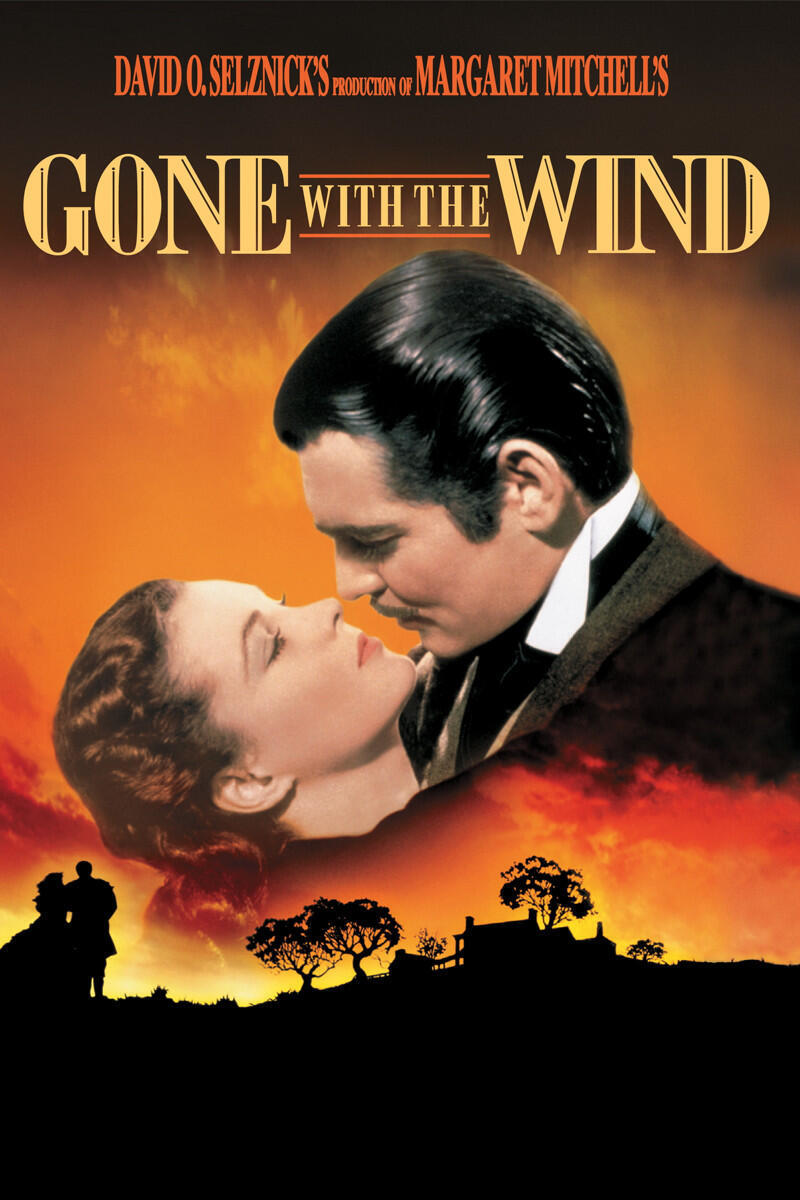
‘Gone With the Wind’ is not that much of a classic
For decades, it stood as one of the most successful films of all time, winning 10 Academy Awards, based on a hugely popular novel and surrounded by massive cultural attention — from its famous casting search for Scarlett O’Hara to its iconic imagery of sweeping romance and spectacle. It helped define what Hollywood was: grand, star-driven and emotionally charged. And yes — also deeply (and uncomfortably) tied to racist depictions of its era.
(Photo: YES)
But the question is whether it still functions as a true “classic” today. Do modern audiences revisit it? Do filmmakers still draw inspiration from it? Does its central relationship — often seen as toxic — resonate in any meaningful way? While many older films remain influential and widely watched, others fade despite past success. In that sense, “Gone With the Wind” may belong to a category of films that were once monumental but are no longer central to contemporary culture — especially when compared to enduring works like those of Charlie Chaplin or films such as “The Wizard of Oz,” which continue to be screened and referenced.
Hollywood is not actually going bankrupt because of 'woke' content
The claim that progressive storytelling has destroyed Hollywood has spread widely in political and online discourse, often framed through slogans like “go woke, go broke.” According to this narrative, major studios — particularly Disney — are producing expensive failures centered on diverse casts and themes, while traditional stars are being sidelined.
(Photo: Film Forum)
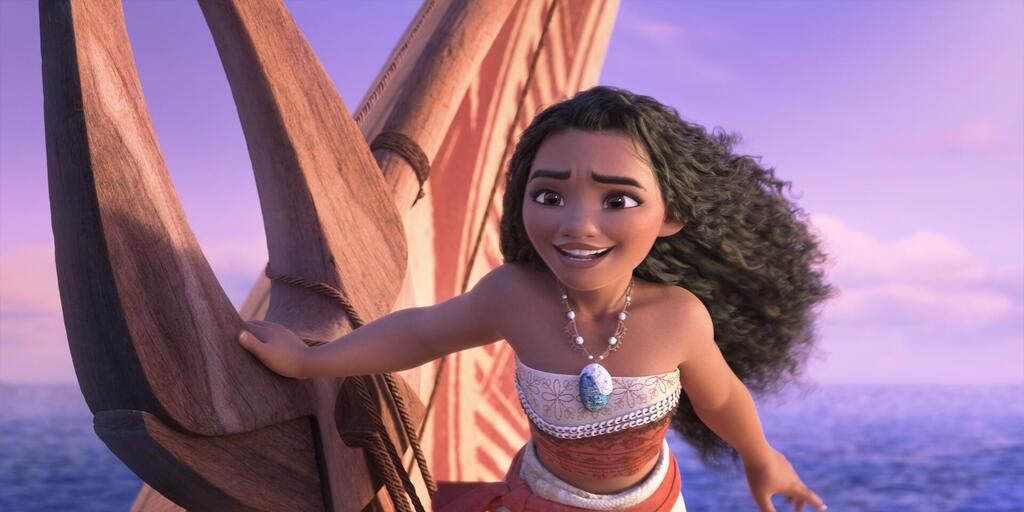
But the reality is more complex. While some projects with progressive themes have failed, many others have achieved major commercial success. Films like “Moana,” “Frozen” and “Barbie” generated hundreds of millions — and in some cases over a billion — dollars globally. Even highly criticized films such as “Star Wars: The Last Jedi” performed strongly at the box office despite backlash.
At the same time, it is true that not all such films succeed. Some, like “The Marvels” or certain reboots and series, underperformed. But attributing those failures solely to “woke” content ignores a simpler explanation: some films fail because they are not good. The selective use of examples — highlighting failures while ignoring successes — has become a common pattern in this debate.
Tony Stark is an idiot
Tony Stark, the central figure of Marvel’s cinematic universe, is presented as a genius inventor, a charismatic leader and the backbone of the Avengers. But a closer look at the storyline reveals a recurring pattern: many of the disasters the heroes face originate from Stark’s own decisions.
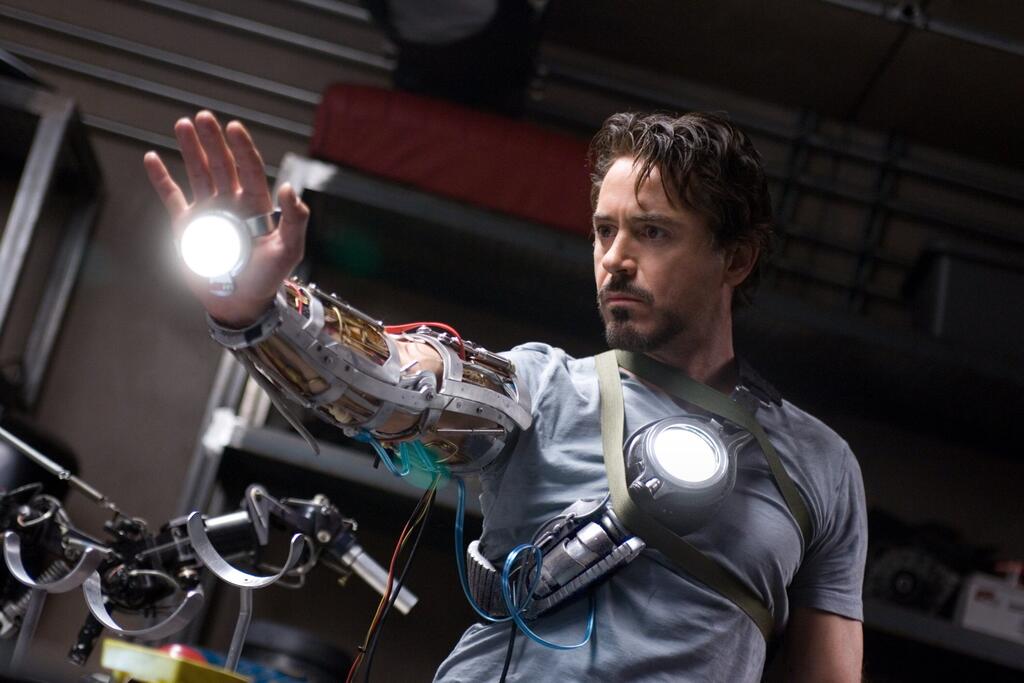
He creates Ultron, an artificial intelligence that nearly destroys a city. He supports the Sokovia Accords, leading to internal conflict and division among the Avengers. Time and again, Stark introduces powerful and dangerous technology that ultimately falls into the wrong hands, forcing others to clean up the consequences.
While his final sacrifice in “Avengers: Endgame” is framed as heroic and redemptive, critics argue it does not erase the pattern of reckless behavior. The question remains: if he is truly the smartest person in the room, why does he keep creating the very problems he later has to solve?
Tim Burton’s Batman films easily outperform Christopher Nolan’s
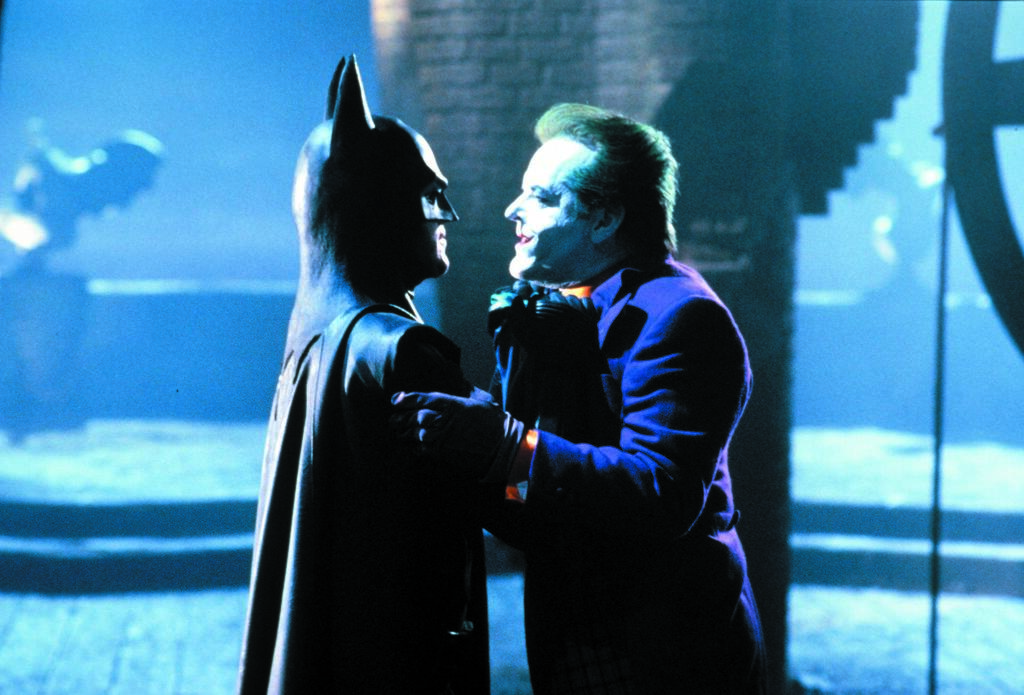
Christopher Nolan’s “Dark Knight” trilogy is widely regarded as the definitive cinematic take on Batman — serious, grounded and character-driven. It includes memorable performances, particularly Heath Ledger’s Oscar-winning portrayal of the Joker.
(Photo: YES)
But from a cinematic and stylistic perspective, some argue that Tim Burton’s earlier films — “Batman” (1989) and “Batman Returns” (1992) — are superior. Burton embraced the character’s comic-book origins, creating a surreal, gothic world filled with exaggerated villains and visual imagination. His Gotham is not meant to resemble reality, but rather a distorted, almost nightmarish space where the character fully belongs.
In that environment, Michael Keaton’s understated portrayal of Bruce Wayne becomes more convincing, precisely because he does not fit the typical image of a superhero. By contrast, Nolan’s version — while ambitious — insists on realism, sometimes at the expense of the character’s more fantastical essence.
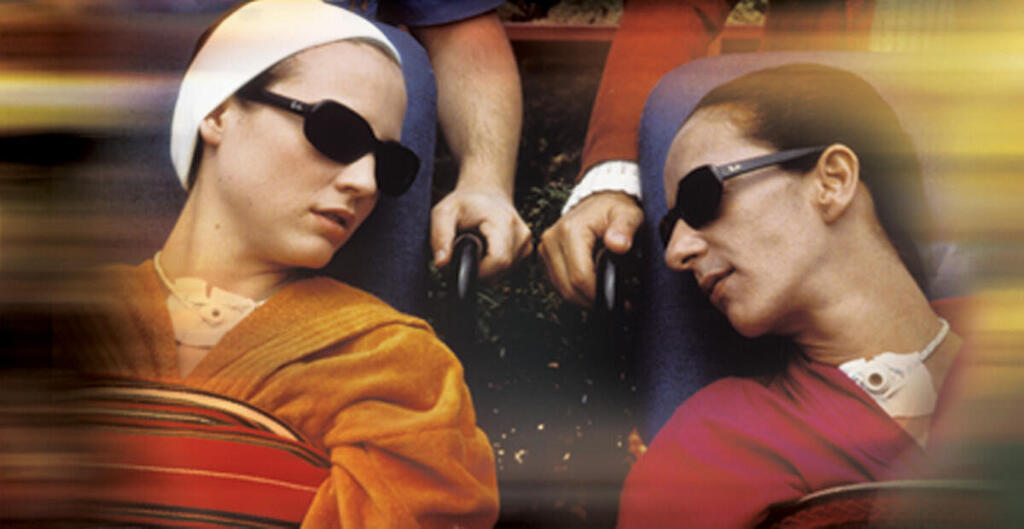
Pedro Almodóvar has aged badly, and many of his films feel like soap operas
Pedro Almodóvar was once a defining voice in international cinema, particularly in the 1980s and early 2000s. His films were known for bold storytelling, emotional intensity and complex portrayals of women.
However, revisiting his work today reveals recurring patterns that some critics find less effective. Many of his films are built around melodrama — heightened emotional narratives that blur the line between artistic expression and soap opera. While this approach once felt fresh and daring, it can now appear repetitive or exaggerated.
(Photo: YES)
Moreover, certain themes and scenes, including depictions of sexual violence presented in ambiguous or even comedic ways, have not aged well. While some of his films remain strong, others rely on familiar techniques that no longer carry the same impact.
Quentin Tarantino does not know how to write Black characters, and won an Oscar for his worst script
Quentin Tarantino is widely praised for reshaping modern cinema, blending genres and elevating elements of popular culture. His films have introduced memorable characters and revitalized careers.
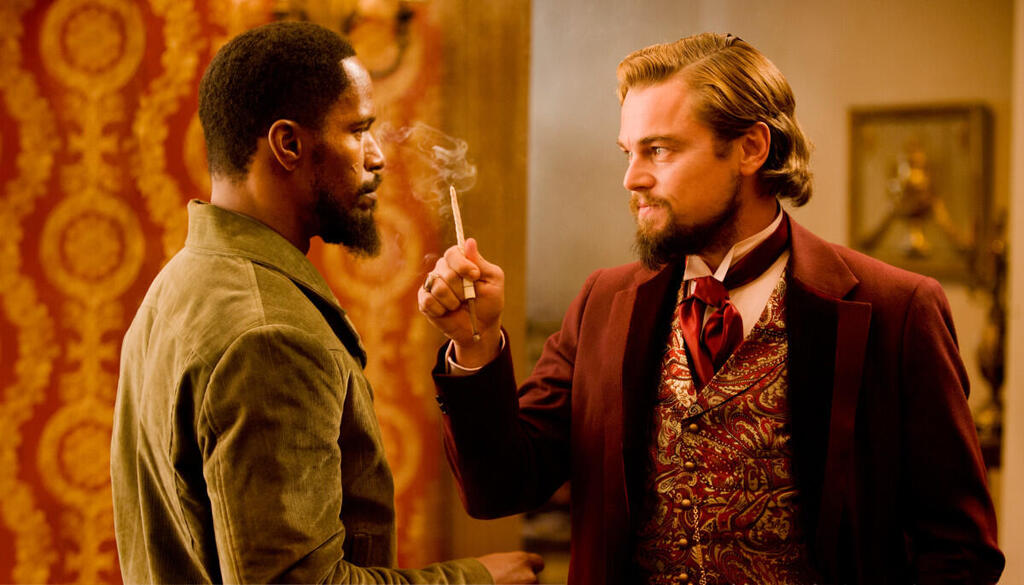
Yet when it comes to portraying Black characters, critics argue his work is far less convincing. In “Django Unchained,” a film dealing with slavery, the narrative ultimately revolves around a white character, Dr. Schultz, who drives much of the plot. The title character, played by Jamie Foxx, is often seen as less developed and less central than expected.
(Photo: YES, Visiona Romantica.)
Despite winning an Academy Award for the screenplay, some view the film as one of Tarantino’s weaker efforts — arguing that its treatment of history and character lacks depth and authenticity. The criticism reflects a broader concern about how the director engages with subjects outside his personal experience.
Spike Lee’s films are much better when he focuses on white characters
Spike Lee has long been associated with films about the Black experience in the United States and has played a major role in shaping that cinematic space.
(Photo: YES)
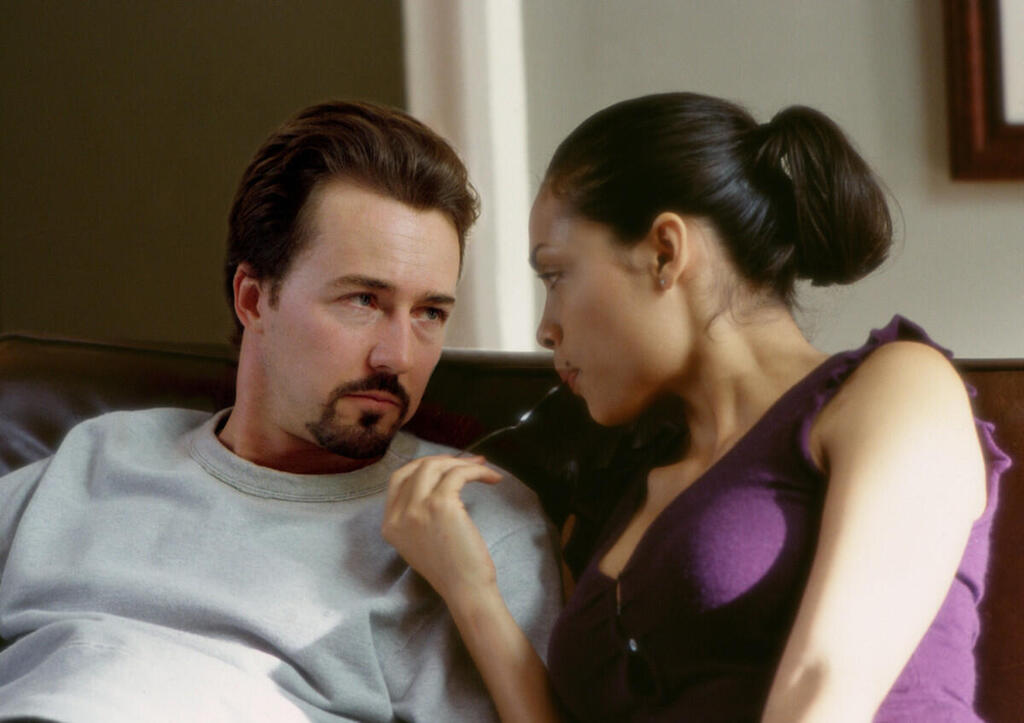
However, some argue that his strongest films are those that move beyond that focus. Works like “25th Hour,” centered on a white protagonist in post-9/11 New York, and “Inside Man,” a crime thriller, are often cited as examples of more balanced storytelling and broader appeal.
While Lee has produced important and influential films, critics say his work can at times become overly didactic or heavy-handed. When he steps outside that framework, his storytelling is often sharper and more effective.
Iranian cinema made in Iran is not that good — its filmmakers thrive abroad
Iranian cinema has been widely celebrated at international festivals, often praised for its minimalism, humanism and subtle storytelling. Directors working under restrictive conditions have been seen as producing powerful art despite censorship.
But some critics argue that the acclaim is partly driven by the context rather than the content. Many films focus on everyday life, family dynamics and quiet interactions, sometimes resulting in narratives that feel limited or overly restrained.

(Photo: New Cinema)
When Iranian filmmakers work outside the country — or find ways to create with fewer restrictions — their films often become more dynamic and direct. This contrast suggests that while the talent is undeniable, creative freedom plays a crucial role in the strength of the final work.
Tom Cruise should have won the Oscar for ‘Rain Man,’ not Dustin Hoffman
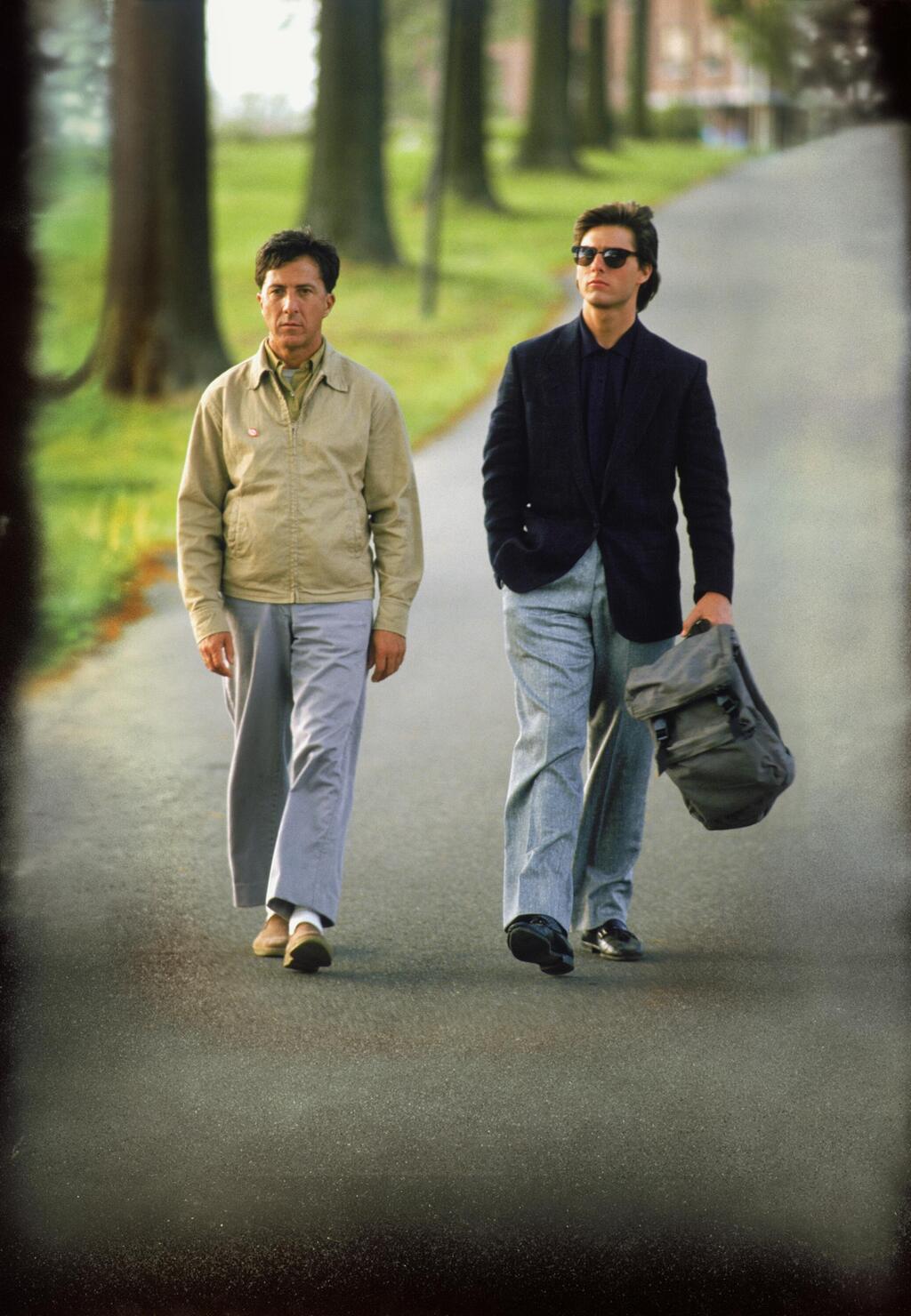
Dustin Hoffman’s performance in “Rain Man” earned widespread acclaim and an Academy Award. But some argue that Tom Cruise, who plays his brother, delivers the film’s true emotional core.
(Photo: YES)
Cruise’s character undergoes a significant transformation — from self-centered opportunist to someone capable of empathy and connection. His performance anchors the story and provides its emotional arc, leading some to question why it was overlooked by awards bodies.
Jim Carrey is a missed dramatic actor; as a comedian, he became repetitive
Jim Carrey rose to fame through highly physical, exaggerated comedy in films like “Ace Ventura” and “The Mask.” While successful, that style eventually became repetitive for some audiences.

(Photo: YES)
At the same time, his dramatic performances in films such as “The Truman Show,” “Man on the Moon” and “Eternal Sunshine of the Spotless Mind” revealed a different range — one that was widely praised but never recognized by the Academy Awards. Some argue that this lack of recognition contributed to a shift away from more serious roles.
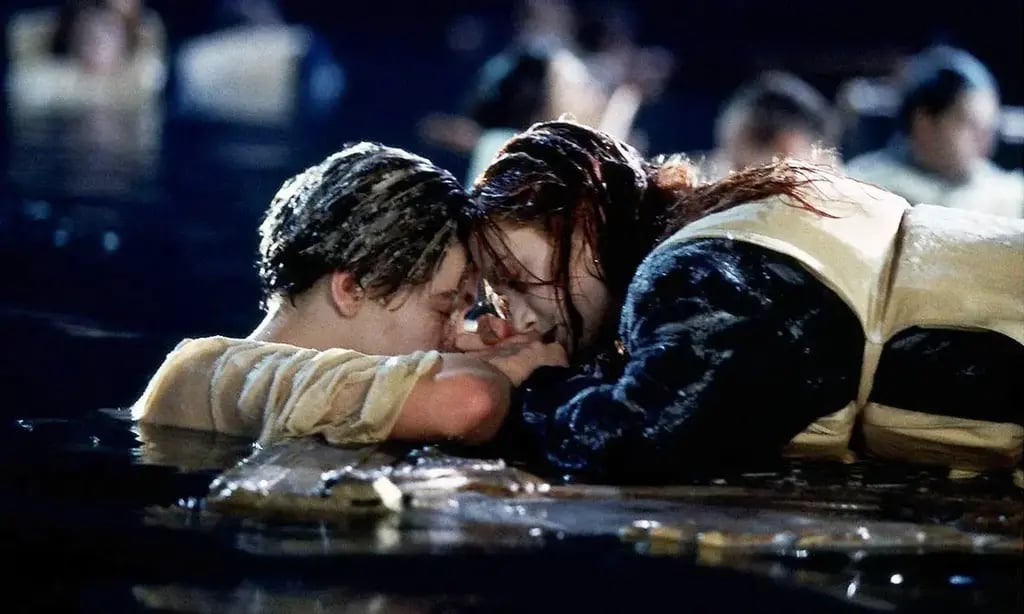
There was no room for two on the door in ‘Titanic’
The long-running debate over whether both characters could have survived on the floating door has become a cultural phenomenon, with even director James Cameron addressing it.
(Photo: YES)
Yet some maintain that the scenario is not as simple as it appears. The debris is partially submerged and unstable, and adding a second person could have caused both to fall into the freezing water. Beyond the physics, the narrative itself depends on the sacrifice — removing it would fundamentally change the story’s emotional impact.