

The 71-year-old actor, best known for playing Dr. Richard Webber on “Grey’s Anatomy” since its first season, shared the news in an interview with Black Health Matters. “It’s not the kind of news anyone wants to hear,” he said, “but to be honest, prostate cancer has run through my family. My father had it. He had a lot of brothers; several of them had it. I would have been surprised if I hadn’t gotten it.” Pickens added, “No one, as far as I know, has succumbed to it.”

In the interview, Pickens said he has undergone annual checkups for the past 34 years and has been getting PSA (prostate-specific antigen) tests since age 41. In January, his doctor noticed elevated PSA levels and referred him to a urologist. An MRI revealed something suspicious.
A subsequent biopsy confirmed the presence of a tumor, but a scan showed the cancer had not spread. Pickens opted for a radical prostatectomy, a surgical procedure to remove the prostate, which required a one-day hospital stay. “We caught it really early, and so they thought that would be the best route to take,” he said. “I do have a rare variant that you don’t see very often. They wanted to err on the side of caution and keep an eye on it. It was rare enough that they wanted to make sure that they were crossing all the T’s and dotting all their I’s. But they hadn’t seen one that was detected as early as mine.”
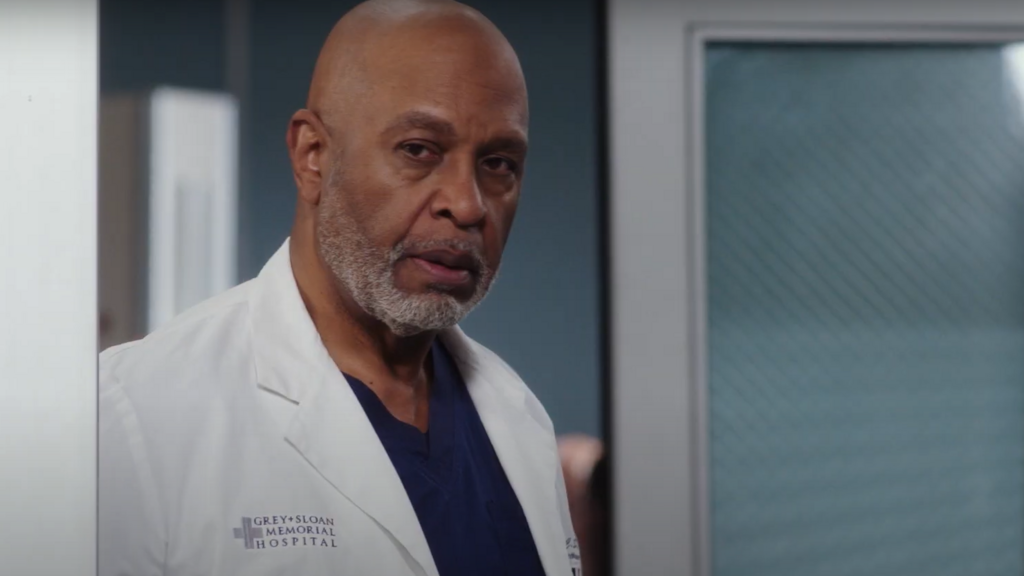
James Pickens Jr., from 'Grey's Anatomy'
(Photo: Courtesy of yes)
Ironically, Pickens had already encountered the issue through his work: in the midseason episode of Grey’s Anatomy Season 22, his character Dr. Webber is diagnosed with cancer.
Now, Pickens is using his experience to raise awareness about early screening, the main reason behind his decision to go public. He filmed an awareness video with Black Health Matters, saying: “One in eight men will be diagnosed with prostate cancer during their lifetime. For Black men, the risk is even higher. Fortunately, prostate cancer is highly treatable, but early detection is the key, and sometimes there are no noticeable symptoms.
“Today, I’m living proof that early detection works,” he said. “If you’re Black, or if prostate cancer runs in your family, talk to your doctor about getting screened starting at age 40.”