

In 2003, Lauren Weisberger was branded one of Manhattan’s most ungrateful women. She had just published her debut novel, ‘The Devil Wears Prada,’ based in part on her experiences as an assistant to Anna Wintour — then editor of American Vogue and now global chief content officer at Condé Nast.
The book, which became a global bestseller, was adapted into a hit film three years later and more recently into a musical with music and lyrics by Elton John. It exposed the real price of glamour in the fashion world: toxic bosses, rigid hierarchies, nasty politics and designer clothes.
Gallery
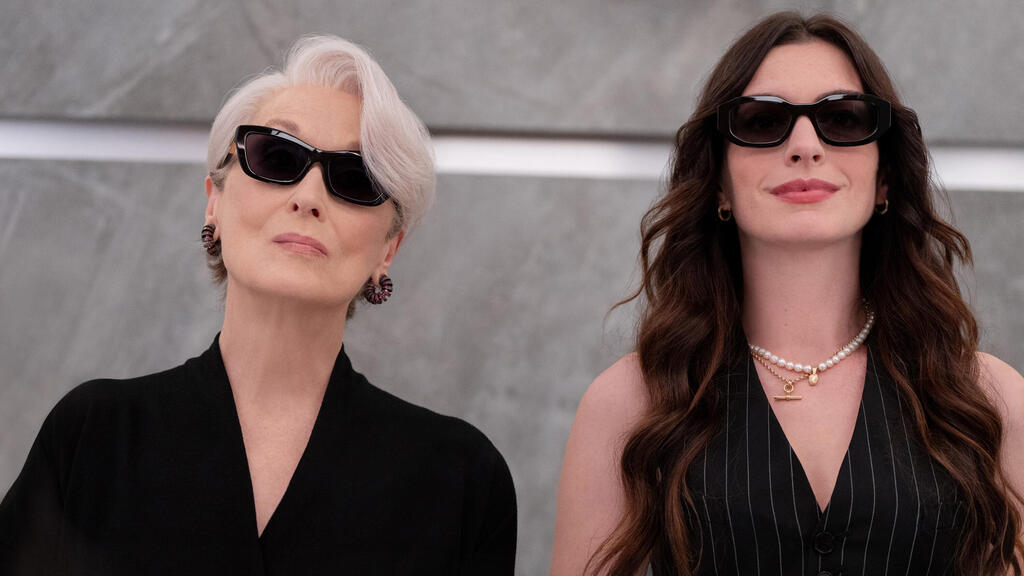
Anne Hathaway as Lauren Weisberger’s fictional alter ego and Meryl Streep as an Anna Wintour-like figure, from ‘The Devil Wears Prada 2'
(Photo: Courtesy of Forum Film)
Weisberger, then in her 20s, became one of the world’s most famous authors overnight. It was less because of the literary qualities of her first chick-lit novel and more because of the glimpse it offered into the corridors of Vogue. These were the years before Wintour’s public image was softened by documentaries such as ‘The September Issue’ in 2009, which followed the making of Vogue’s major September issue, and ‘The First Monday in May’ in 2016, which tracked preparations for the Met Gala.
What looked from the outside like a job “a million girls would kill for,” as the group’s CEO Irv Ravitz says more than once in the book, was portrayed as an accelerated boot camp for Andrea Sachs, Weisberger’s fictional alter ego, under the erratic rule of magazine editor Miranda Priestly. It included endless Starbucks runs, text messages at all hours, personal errands such as dry cleaning and walking the dog, and finding an unpublished ‘Harry Potter’ manuscript for Priestly’s twin daughters.
The sequel, ‘The Devil Wears Prada 2,’ which opened worldwide Thursday, ends at Weisberger’s starting point, in a kind of intertextual nod to the true story that launched the plot. Throughout the film, Andrea Sachs, played by Anne Hathaway, toys with the idea of writing a book about toxic editor Miranda Priestly, played by Meryl Streep.
After being offered a $350,000 advance, she shows compassion for Priestly and turns it down. Priestly, for her part, sees the book as a career opportunity for Sachs and understands the need for a book that would portray her in an unflattering light in order to cement her status as a fashion and journalism icon.
Weisberger never imagined her memories of Vogue would become a sensation. She told The Times of London in February, while promoting ‘The Devil Wears Prada 2,’ that she had expected little response because she did not think the book would sell. At the time, she said, she was simply a young woman writing in a tiny Upper East Side apartment, hoping her parents might buy a copy at Barnes & Noble.
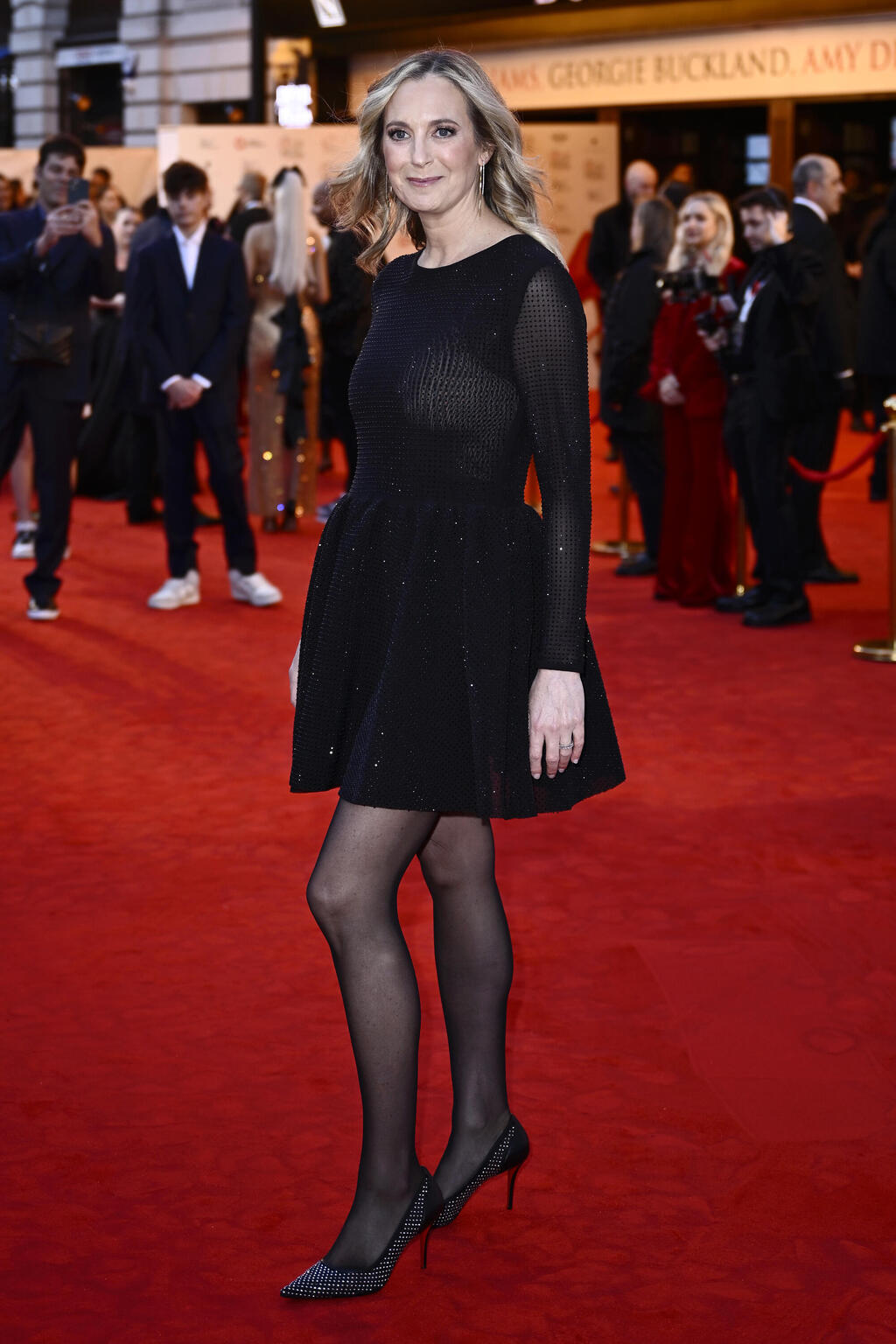
Lauren Weisberger at the premiere of ‘The Devil Wears Prada: The Musical'
(Photo: Gareth Cattermole/Getty Images)
When the book was published in 2003, The New York Times called it “vulgar” and accused Weisberger of settling scores with Wintour. In an interview with The Guardian two years ago, she said the response left her traumatized.
“Powerful women, journalists who I respect to this day, were offended by it. They felt I had not paid my dues, that I was whining and complaining about having to get to work early and get coffees. The response was essentially: who does she think she is?”
“All this noise did wonderful things for book sales, but had I known what would happen, I would not have written the book. I had not understood that Anna would ever know or care about the book, or that anyone in the media would be remotely interested. Of course, from where I am now, I know the book has allowed me to do what I love more than anything, which is to spend my career writing. But at the time, if I had had the chance to take it all back, I would have like a shot.”
New York was not waiting for her
Weisberger grew up in Pennsylvania in a middle-class Jewish family. Her mother was a teacher and her father a mortgage broker. In 1999, after graduating from Cornell University, she arrived in New York and looked for work in publishing. She dreamed of becoming a journalist, but New York was not waiting for her. After two weeks sleeping on a friend’s couch, she was summoned by Condé Nast’s human resources department for a job interview.
She told The Times that when HR informed her the position was at Vogue, she replied that it sounded nice but was not exactly what she was looking for. The interviewer, she said, made clear that her preferences were not the issue and told her to move along.
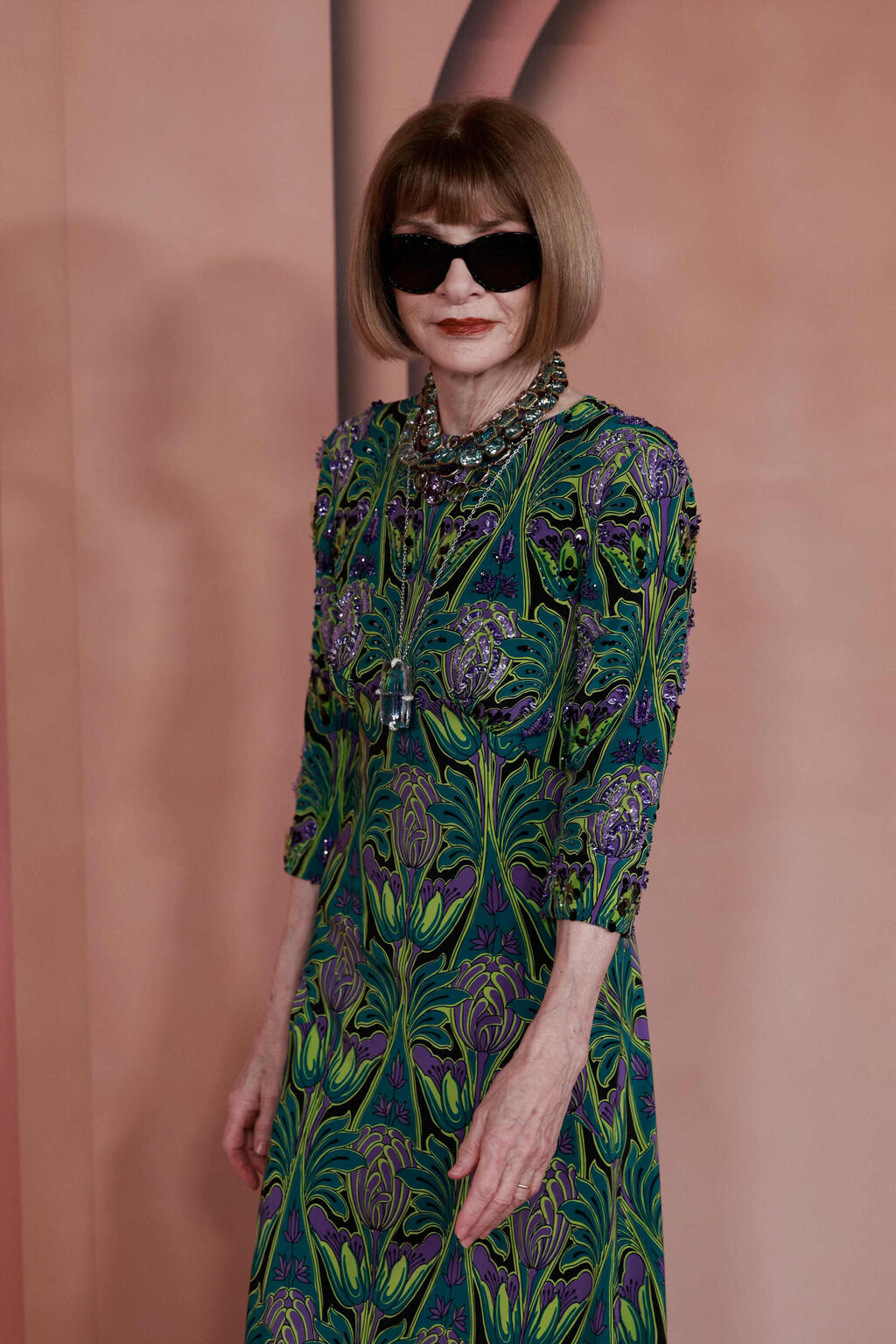
Anna Wintour
(Photo: KARIM JAAFAR, AFP)
Later that day, she met Wintour for the first time. What became one of the film’s most memorable comic scenes was, in reality, an intimidating encounter.
“I didn’t know what I was walking into, and that’s probably part of why I ended up getting the job,” she recalled. “Anna was very reserved and very intimidating, in retrospect, and her office was beautiful, but I didn’t have time to absorb the whole situation in that moment. Only once I actually started working did I think: Where the hell am I?”
At Vogue in the early 2000s, Weisberger met Leslie Farmer, who appears in the book as “Emily,” Priestly’s first assistant. Farmer, now a celebrity stylist, revealed her identity for the first time with the release of the new film and said she only encountered the book after leaving Vogue.
“I got a call from Anna’s office saying she wanted to see me,” Farmer recalled. “I was terrified. Anna asked, ‘Who is Lauren Weisberger?’ and I answered, ‘She was your junior assistant.’ Then she said, ‘Well, she wrote a book about us, and you come off worse than I do.’” Since the book’s publication, the two women have not spoken.
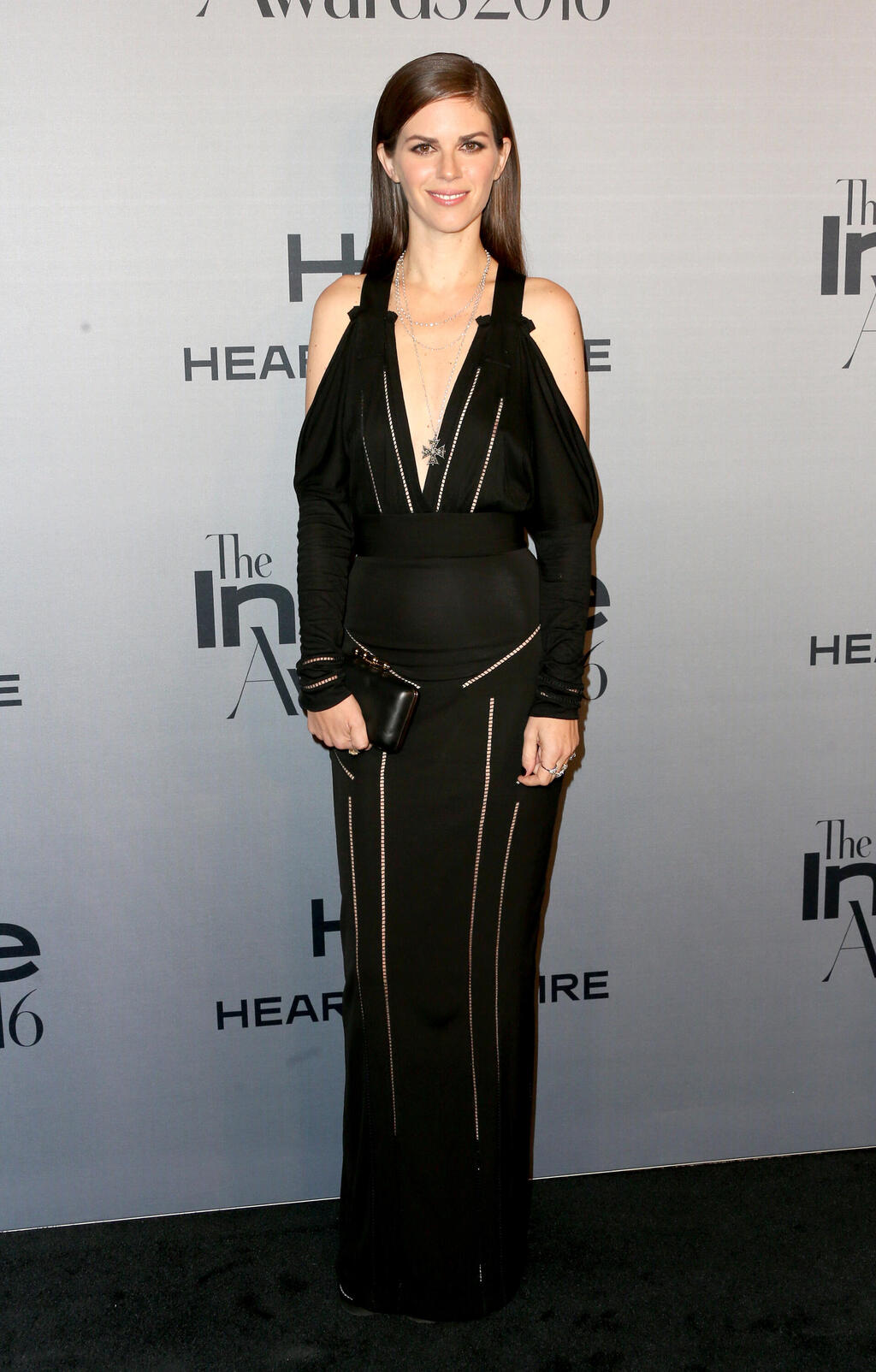
Leslie Farmer at the InStyle Awards, 2016
(Photo: Frederick M. Brown/Getty Images)
In an interview on the podcast ‘The Run-Through with Vogue,’ Farmer revealed that she was responsible for one of the book’s most iconic lines.
“I definitely told her a million girls would kill for that job. That was absolutely my argument, because I really believed it and knew she didn’t necessarily want to be there,” she said. “I probably wasn’t very nice, and I was probably stressed, because I felt like I was also doing her job. For me, it was very frustrating. I think she was probably just sitting there writing a book and not necessarily taking the job as seriously as I did.”
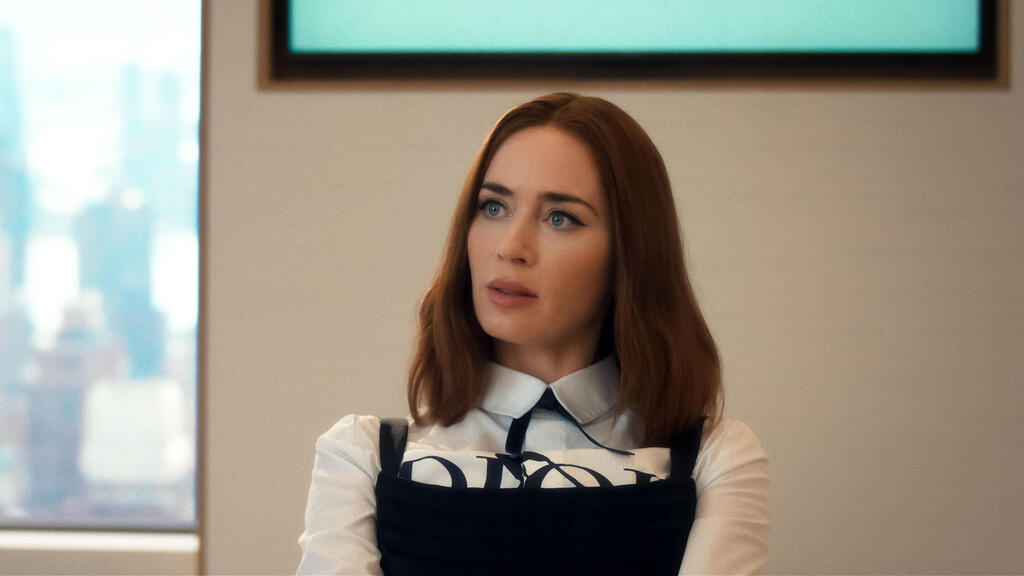
Emily Blunt as Leslie Farmer’s fictional alter ego, from ‘The Devil Wears Prada 2’
(Photo: Courtesy of Forum Film)
Even before the book was published, Wintour was seen as an intimidating figure and a tough boss — an image her supporters said was distorted through a misogynistic lens. An assertive man would be described as an excellent, efficient and determined manager; a woman in the same position was labeled a “bitch.” From the book’s opening chapter, Weisberger helped reinforce Wintour’s fearsome image and claims about her problematic decision-making process, wrapping it all in humor that has stood the test of time.
The book, written in the early 2000s, depicts a toxic workplace culture — one that, after the #MeToo movement and the boundaries millennials and Gen Z have set over the past decade in a labor market that had become almost exploitative, now seems almost inconceivable. Although the novel is based on Weisberger’s subjective experiences, it is hard to ignore the fact that it drew on a familiar reality in the corridors of fashion magazines at the time.
‘Seeing double’: Meryl Streep and Anna Wintour on the cover of Vogue’s new issue
“The worst thing that happened to me at work?” she was asked in a 2005 interview with The Guardian. “It wasn’t necessarily one thing. It was the constant lack of sleep, the panic, that sick feeling in your stomach when the phone rings. It builds up over weeks and months into an anxiety disorder. There were many situations where I totally freaked out, lied to everyone involved and prayed.”
“It was a year of being yelled at,” she said. “But the way I was raised was, ‘Shut up and work.’ That’s what we were told from day one — not just me, and not just by Anna. ‘This is how the world works. Pay your dues. Work hard.’ I think you can do all that without cruelty and bullying. I wonder what setting boundaries looks like at Vogue today.”
Femininity through rites of passage and beauty norms
More than ‘The Devil Wears Prada’ exposed what happened in the corridors of the fictional Runway magazine, Weisberger, now 48, showed how degrading the treatment of women remained at the time. That stood out even more in several scenes in David Frankel’s film adaptation. As in films such as ‘My Fair Lady,’ ‘Pretty Woman’ and others, the heroines are required to undergo an external transformation to win social acceptance in their environment.
Moreover, ‘The Devil Wears Prada’ places at its center a broader cultural pattern: power relations between women, especially the tension between an older woman with authority and status and a young woman entering the system for the first time. It is a myth that recurs again and again in popular film and literature, in which female success is presented not only as a struggle against men or institutions, but also as a space of internal, sometimes cruel, hierarchies.
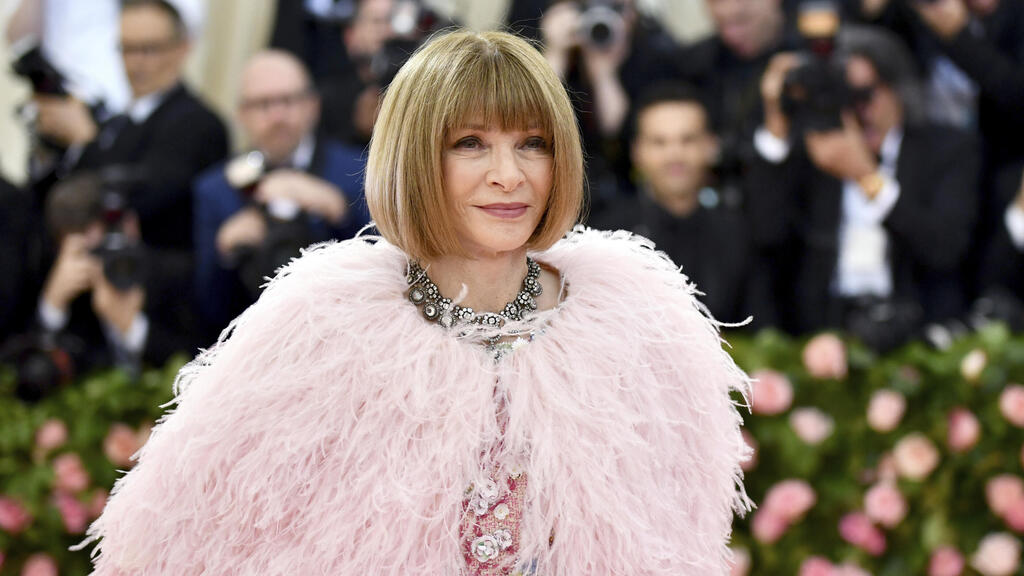
She was considered an intimidating figure even before the book was published; Anna Wintour at the Met Gala, 2019
(Photo: Charles Sykes/Invision/AP)
Within this dynamic, the older woman often functions as a civilizing, threatening or gatekeeping figure, while the younger woman must undergo a process of shaping — external and internal — in order to be accepted. In that sense, the film is not only a professional coming-of-age story, but also an updated version of a cultural myth that frames femininity through initiation rituals and the internalization of beauty norms.
Weisberger says that when she began working, Wintour sent her to a salon to get her hair cut and dyed.
“Anna said, ‘Fix this immediately.’ My hair was horrifying, apparently. She sent all the new girls to the Oscar Blandi salon, and there they met Kyle. Kyle would fix them. And I still go to Kyle,” she told The Times.
“I don’t remember anyone who worked there who wasn’t tall, very thin and beautiful — that was the Vogue girl,” she added. “Some of the girls came from the right schools and the right families and were very socially connected. The others really wanted to be part of it. I felt like an alien.”
‘I was the only one who actually aged’
After 10 months at Vogue, Weisberger left and went to work at American Express. At the same time, she enrolled in a writing course, where she processed her brief and turbulent time at Vogue. She came up with the book’s title off the cuff during one of the course sessions, and the rest is history. Today, she lives in Connecticut with her family and continues to write for a living.
Weisberger has come a long way since her first book. She has published seven novels, though none matched the success of her debut, which sold more than 13 million copies, spent six months on The New York Times bestseller list and was translated into about 40 languages, including Hebrew. The book was recently reissued in Hebrew in a translation by Maayan Zigdron, who added more contemporary phrasing.
The new sequel brings the same beloved characters back to the screen. Although she had no direct role in making it, Weisberger met with the creators of ‘The Devil Wears Prada 2’ and read the script in advance.
“I went to the set a few times, and it felt like going back 20 years,” she said. “Of course, I was the only one who actually aged. Everyone else just looks better, which is very annoying!” she joked in an interview with The Times.
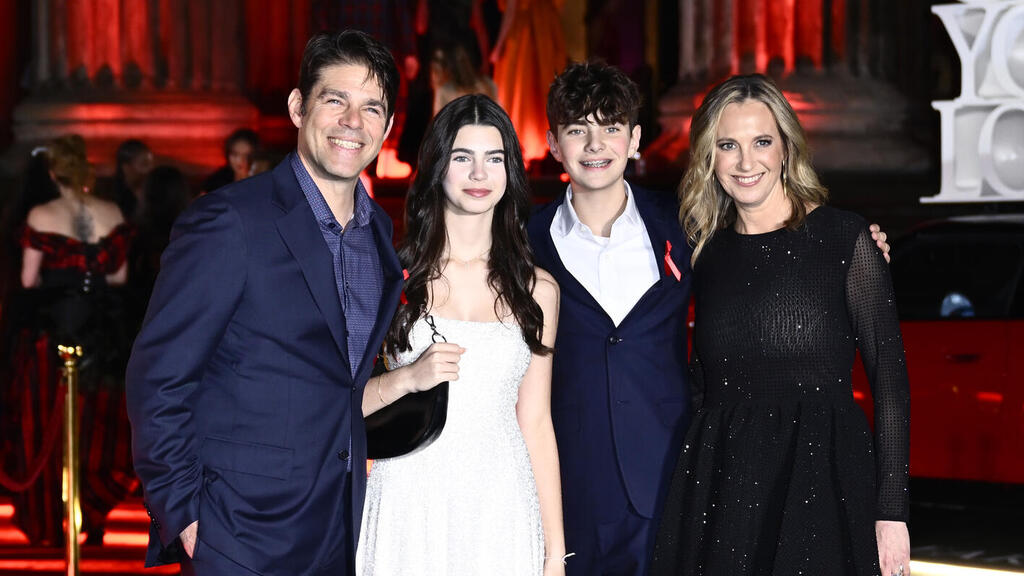
She continues to write for a living; Lauren Weisberger, Mike Cohen and their children
(Photo: Gareth Cattermole/Getty Images)
In retrospect, she said she would have done things differently and allowed herself to enjoy the journey. Back then, she would call her parents if she had been yelled at for not bringing Wintour coffee quickly enough or for sending the wrong flowers to Donatella Versace. Her mother encouraged her to quit; her father advised her to accept the professional opportunity with humility.
“I wish I had had the emotional resilience to get more perspective, because I could have learned so much more,” she said in a 2024 interview. “Anna is an extraordinary figure, the best at what she does, and I didn’t appreciate that then. But had I done so, I don’t know if I would have been able to laugh about it and write the book. And then none of this would have happened.”
First published: 06:03, 05.02.26