

The year 2025 was one of the most turbulent and painful in Israel’s history. Hostages returned, war broke out with Iran, fires swept through the north, violence flared in the West Bank, and civil unrest shook major cities.
All of these shaped a reality marked by fear, resilience, and moments of human grace. Amid an overwhelming flow of information and images that sometimes blurred the truth, photojournalism offered clarity, a way to pause, to witness, and to remember.
Gallery
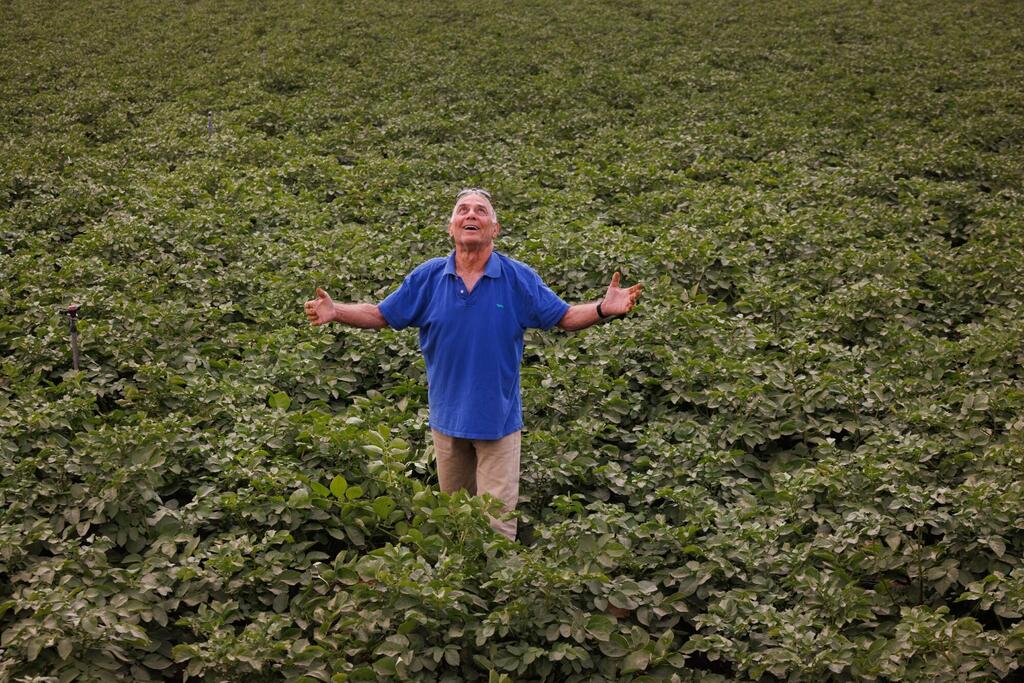
Gadi Mozes, an 81-year-old farmer, was abducted from his home in Kibbutz Nir Oz on October 7. Five of his family members were kidnapped, and his partner, Efrat Katz, was mistakenly killed by an IDF helicopter that fired on the cart they were being transported in en route to Gaza. Upon his release after 482 days in Hamas captivity, Moses declared, “I will do my best to rebuild Nir Oz,” and returned to the kibbutz’s fields (Kibbutz Nir Oz, April 9, 2025)
(Photo: Ziv Koren,"Polaris Images", Yedioth Ahronoth)
The exhibition
“Local Testimony 2025,” Israel’s premier annual photojournalism exhibition, opens next Friday (December 12) at the Eretz Israel Museum. Now in its 22nd year, the exhibition, curated by Dana Wohlfeiler-Lalkin, its founder and chief curator, and curator Ilia Yefimovich present the social, historical, and artistic power of local photography.
This year, approximately 7,000 works were submitted by 366 photographers. Of those, 82 pieces of video, stills, single images, and series documented by 64 participants were selected.
The exhibition runs through January 31 and features the video project “Gaza”, a joint effort by Israeli and Gazan photographers documenting life during the war, as well as “Young Testimony”, returning after a two-year hiatus to showcase the work of 22 emerging photographers.
The Union of Journalists in Israel will award the Photo of the Year Prize in memory of photographer Roee Idan, a Yedioth Ahronoth and Ynet photojournalist killed by Hamas on October 7 in Kibbutz Kfar Aza. The Shomrim Prize, awarded by the Shomrim Center for Media and Democracy, will go to a selected video journalist.
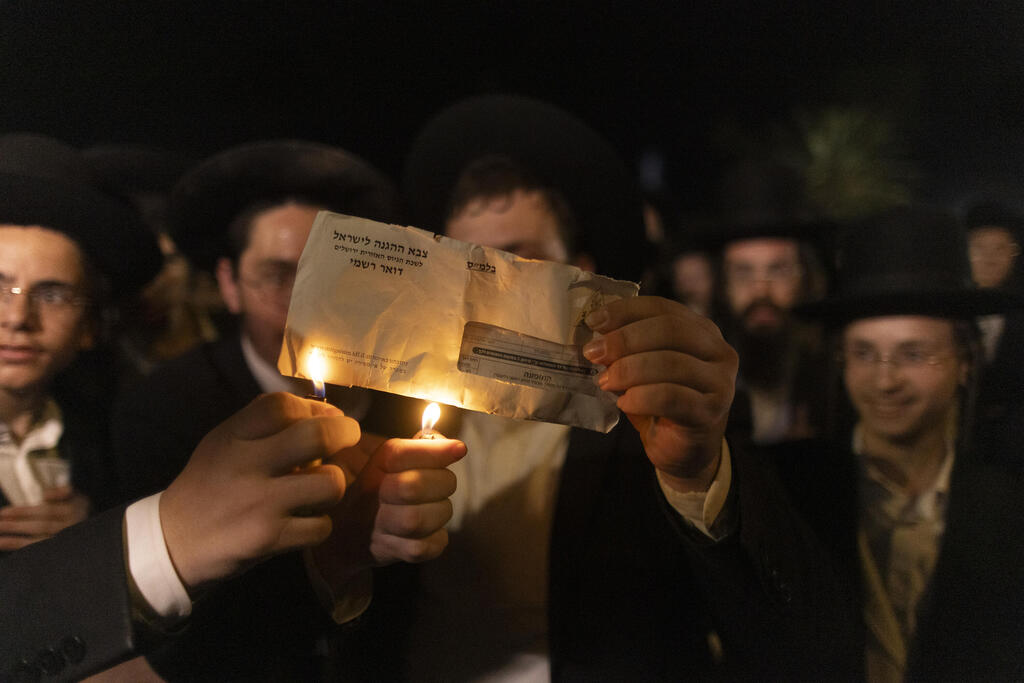
Ultra-Orthodox protesters burn draft notices near a military prison where Haredi draft dodgers are held (Near Camp Gur, Beit Lid, August 14, 2025)
(Photo: Tomer Appelbaum, 'Ha'aretz')
“These images reflect a fragile existence during a time of governmental collapse and threats to democracy,” said Wohlfeiler-Lalkin. “Amid loss and trauma, both physical and emotional, and efforts to distort the truth for political gain, a civil society emerges, fighting for accountability and reclaiming its future."
Yefimovich added, “As curator of ‘Local Testimony 2025,’ in a time of multi-front war, I moved between two roles: a freelance photographer documenting the harsh reality from a personal perspective, and a curator interpreting this evolving reality through the work of my fellow photographers. In an age of ubiquitous cameras, viral content, and blurred truths, the work of photojournalists offers a deeper, more critical lens on reality.”
Here are some of the exhibition’s standout images:
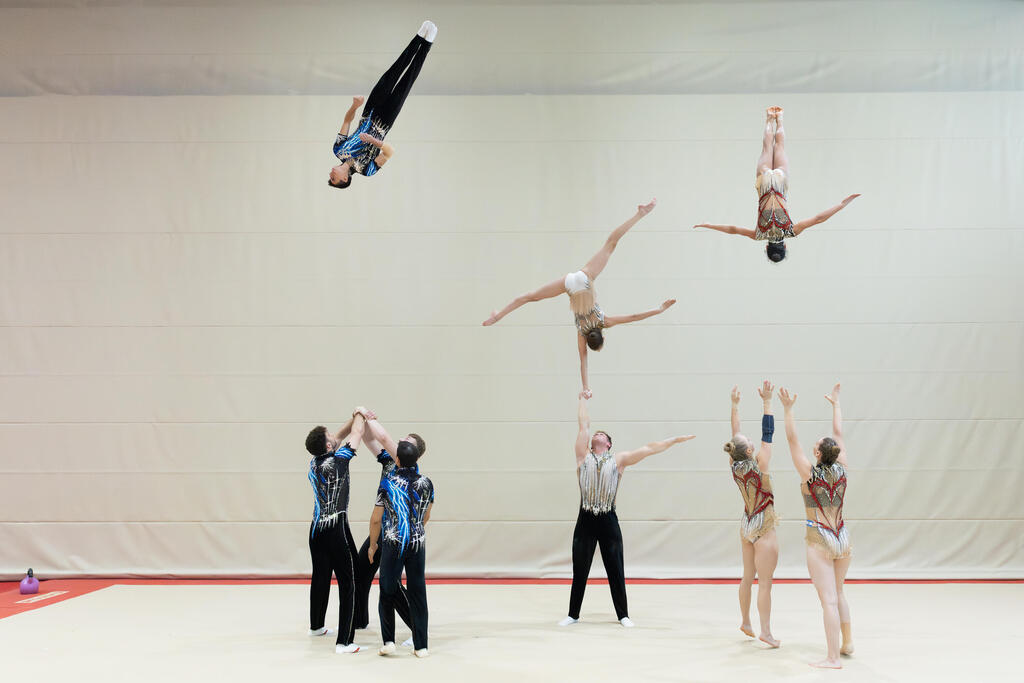
The Israeli Acrobatic Gymnastics Team trains ahead of the world championship. They returned with one gold and two bronze medals (Holon, July 17, 2025)
(Photo: Oz Mualem, Ynet, Yedioth Ahronoth)
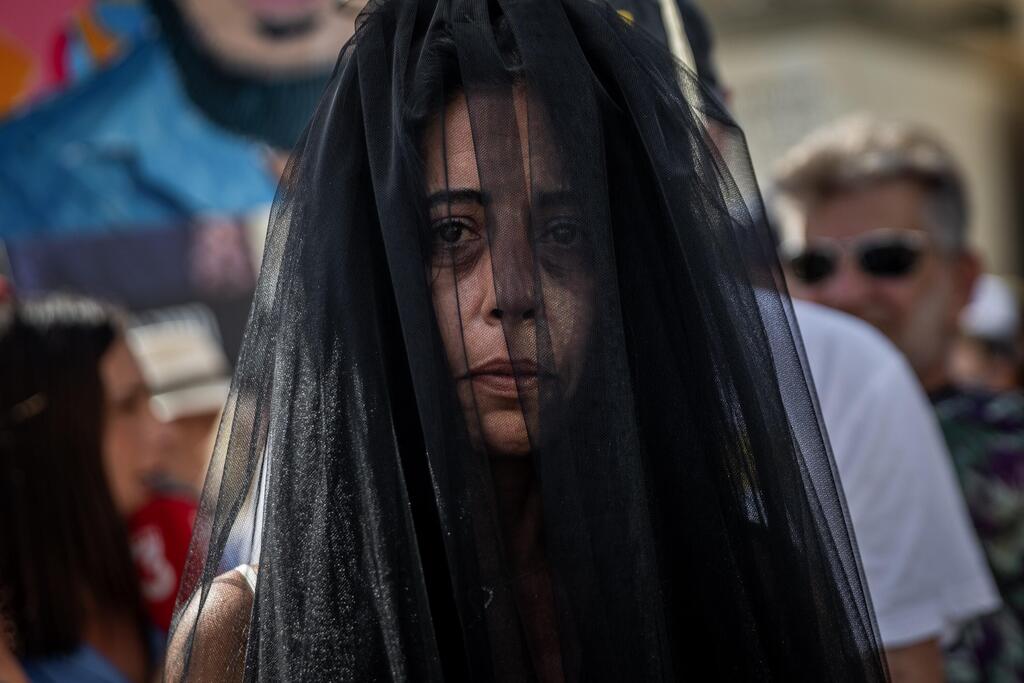
Einav Tsangauker dons a black veil during a symbolic wedding ceremony at Hostages Square in a desperate call to free her son, Matan. The event included Matan's partner, former hostage Ilana Gritchovsky. On October 13, after 738 days of relentless public advocacy, Matan was freed and Einav was finally able to embrace him upon his return from captivity, after the first phase of U.S. President Donald Trump’s 20-Point Plan to end the war was implemented. (Tel Aviv, August 17, 2025)
(Photo:Shir Torem, Reuters)
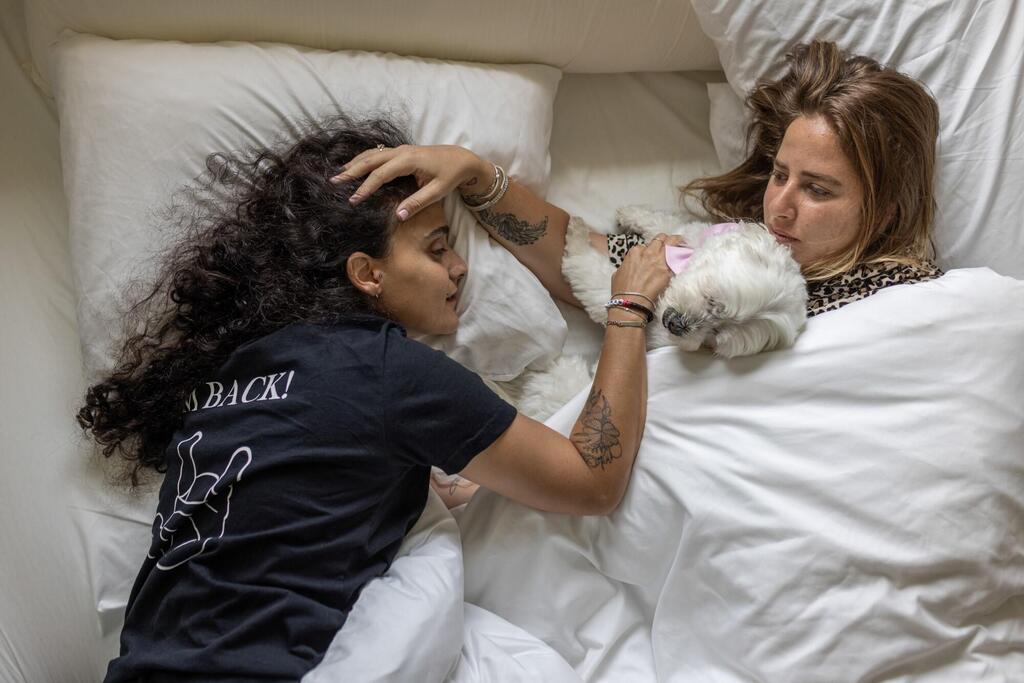
Documenting the first months following the return of former hostage Emily Damari, who was abducted on October 7 and held by Hamas for 471 days. Injured in her leg and arm, she later advocated for the release of fellow Kibbutz Kfar Aza residents Gali and Ziv Berman, who were freed later on (Across Israel, January–August 2025)
(Photo: Avishag Shaar-Yashuv for the 'New York Times')
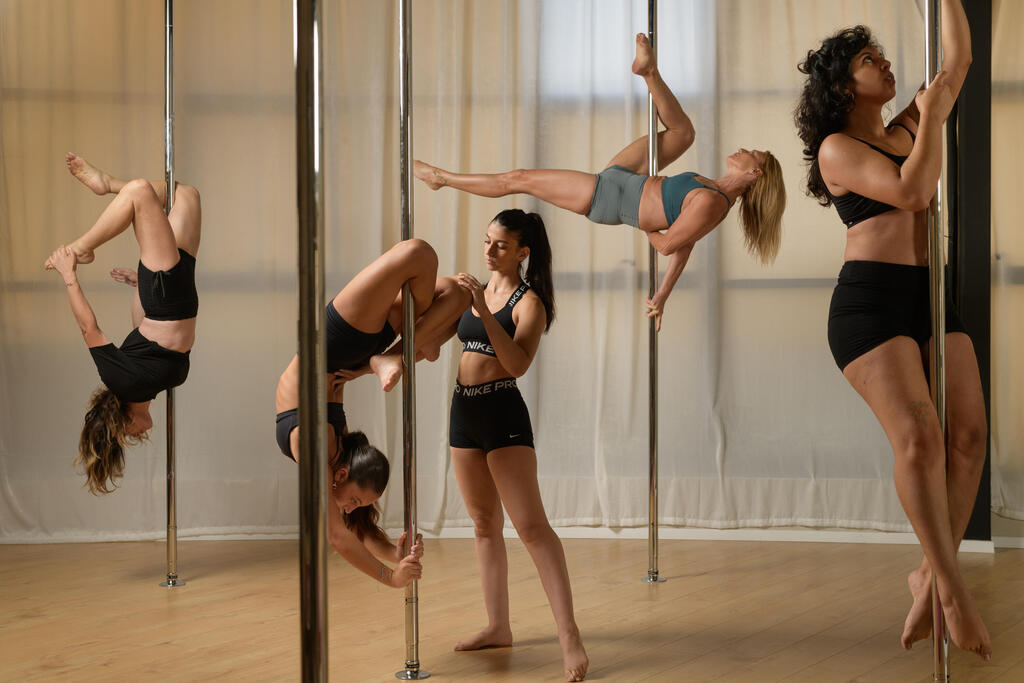
Noa Ben David, world champion pole dancer, teaches at her studio. In recent years, pole dancing has been officially recognized as a sport (Ramat Hasharon, August 17, 2025)
(Photo: Jonathan Bloom, Yedioth Ahronoth)
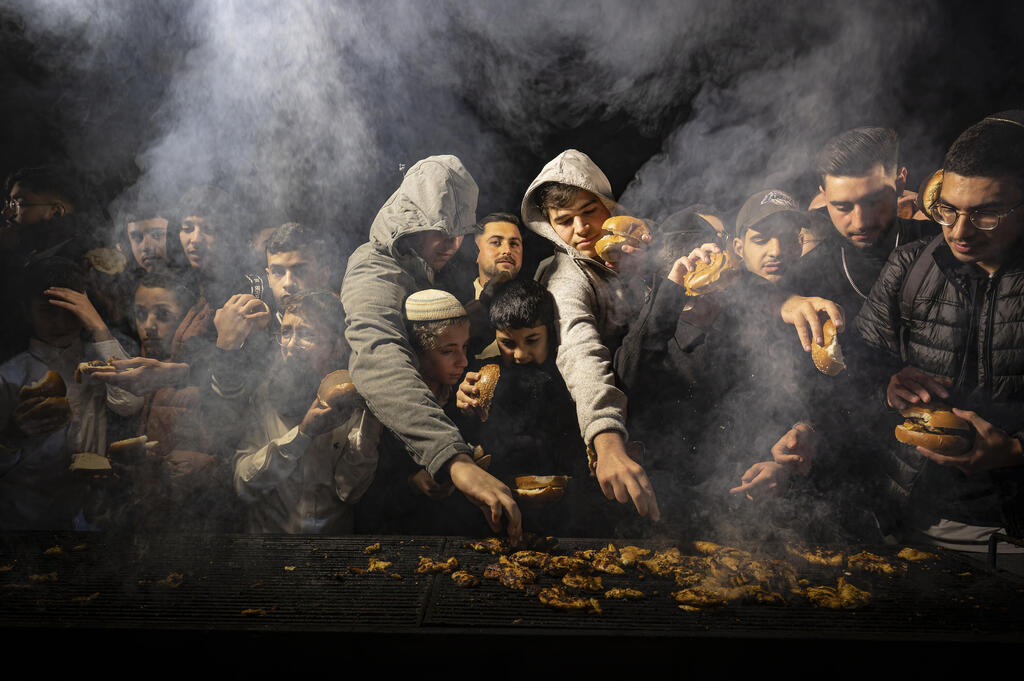
Worshippers gather at a festive barbecue during the annual hilula (commemoration) for the Baba Sali, a venerated Moroccan-Jewish rabbi (Netivot, February 1, 2025)
(Photo: Smadar Ilutowich )
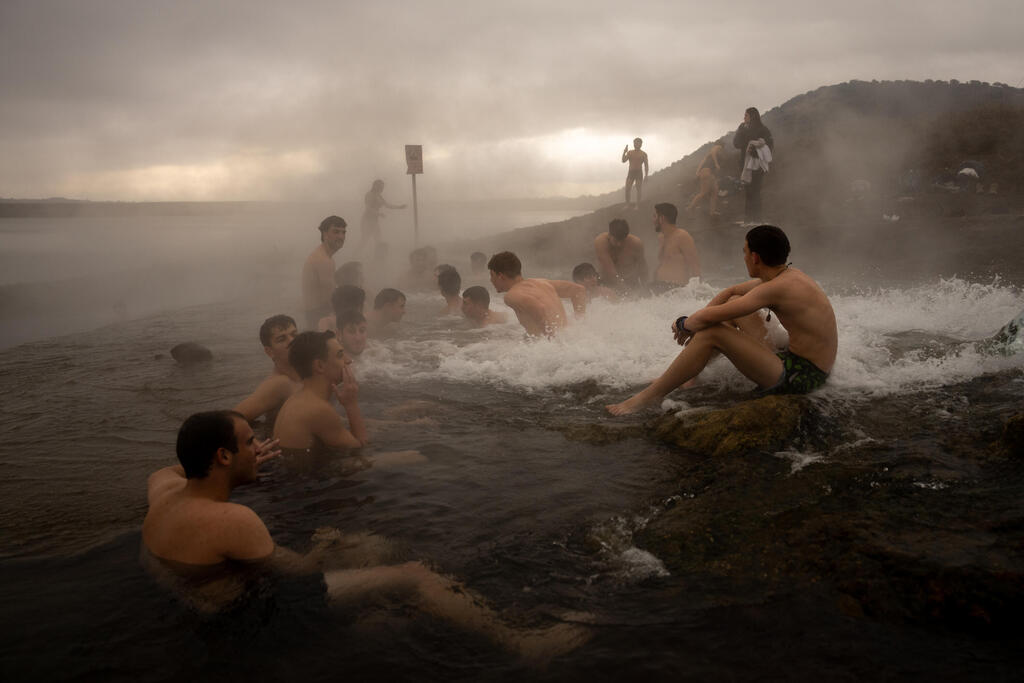
Soldiers and civilians bathe in a hot spring near Mount Bental following a ceasefire agreement between Israel and Lebanon (Golan Heights, November 27, 2024)
(Photo: Ohad Zwigenberg, AP)
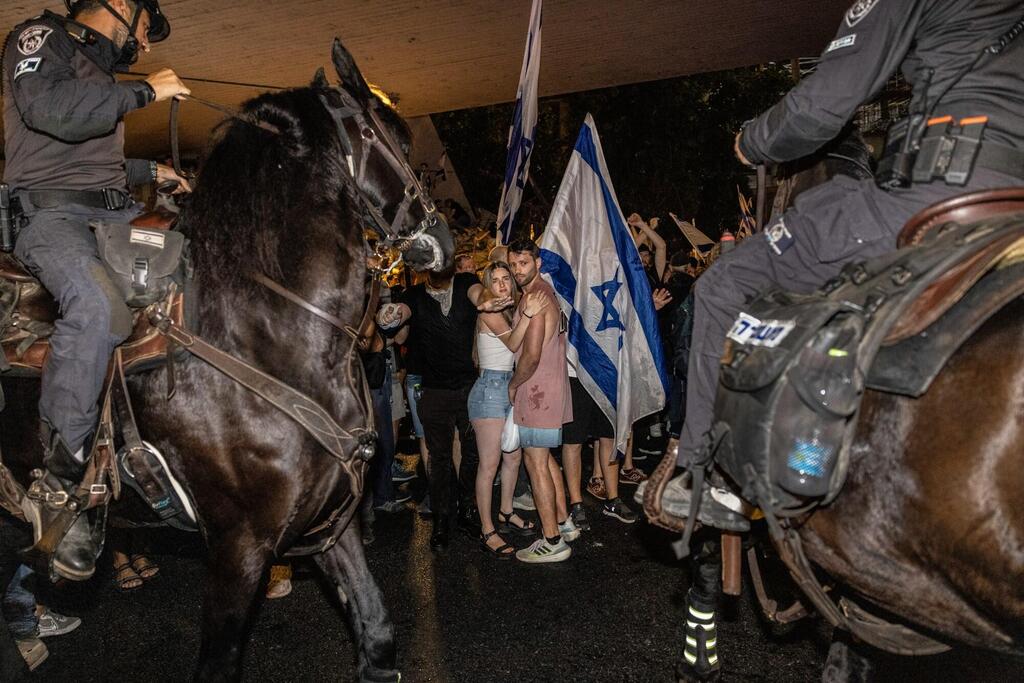
Protesters at a rage-filled demonstration which erupts on Ayalon Highway after a memorial rally for six Israelis - Hersh Goldberg-Polin, Eden Yerushalmi, Ori Danino, Alex Lobanov, Almog Sarusi, and Carmel Gat - killed by Hamas in a tunnel in Rafah where they were held (Tel Aviv, September 1, 2024)
(Photo: Tomer Appelbaum, 'Ha'aretz')
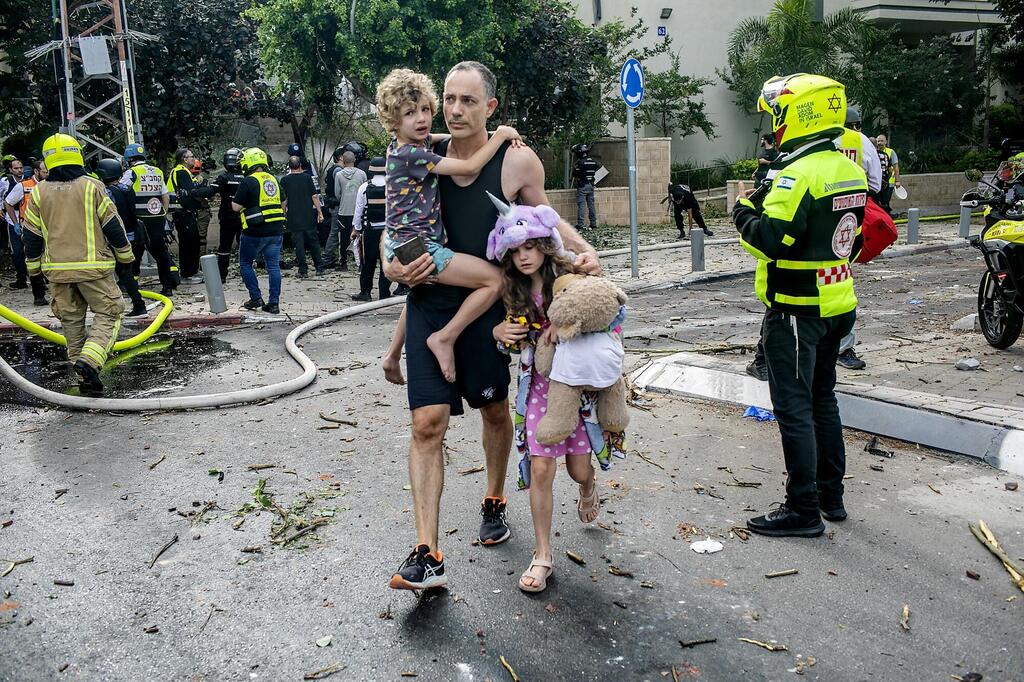
A father and his children evacuate their home early in the morning after an Iranian missile strike (Tel Aviv, June 22, 2025)
(Photo: Amnon Gutman)
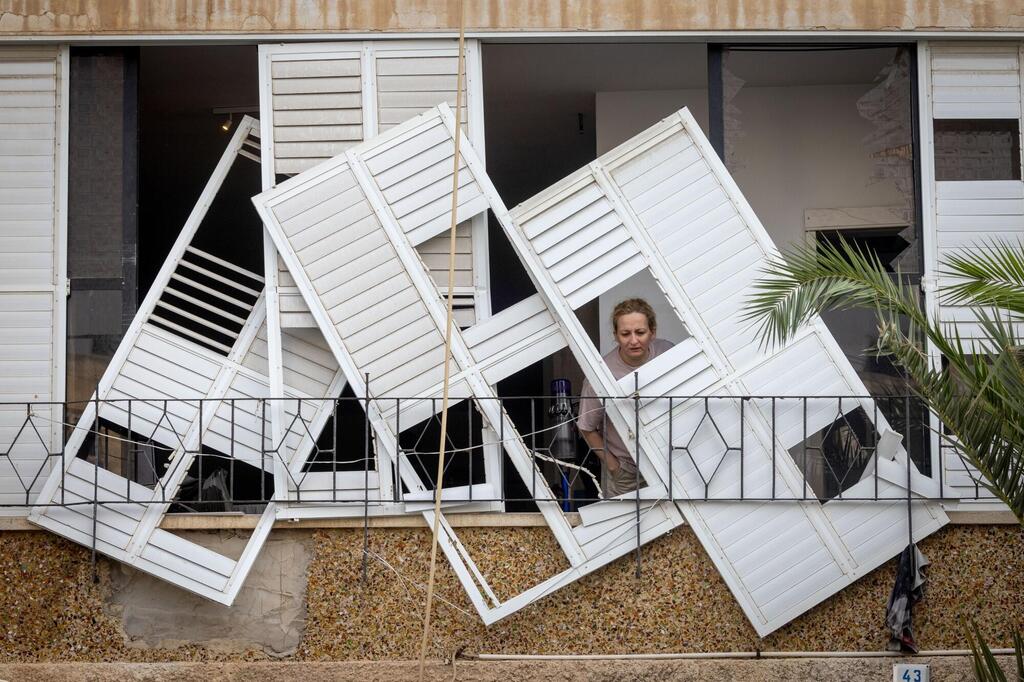
Twelve days of Iran war. Scenes from across Israel (June 2025)
(Photo: Chaim Goldberg, 'Flash 90')
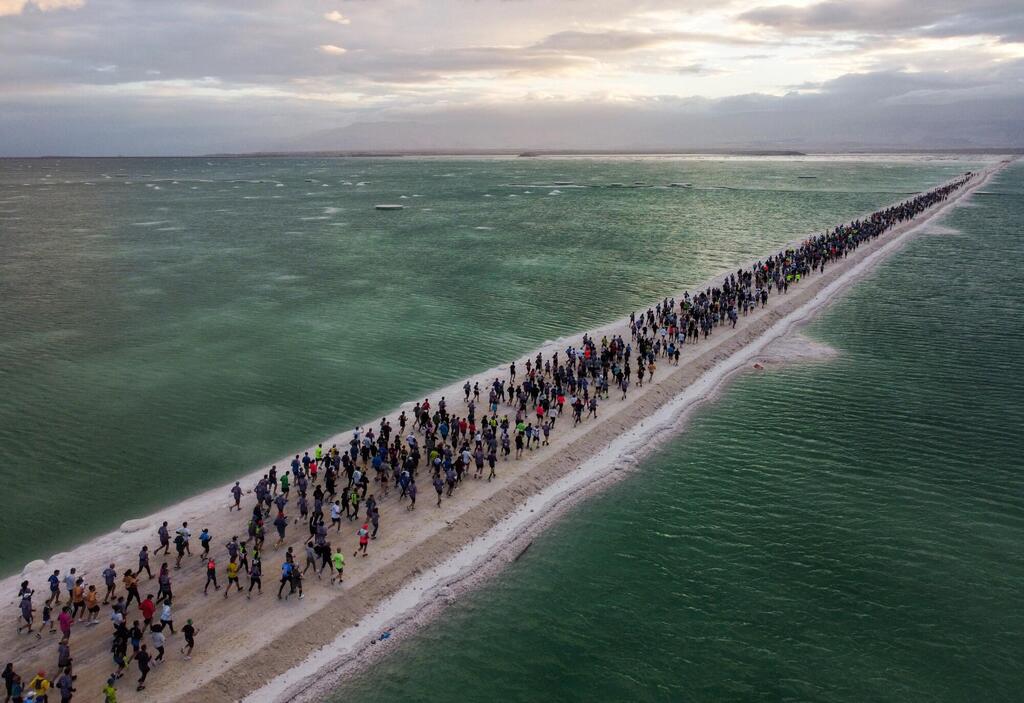
Thousands run in the Dead Sea Marathon (February 7, 2025)
(Photo: Abir Sultan, EPA)
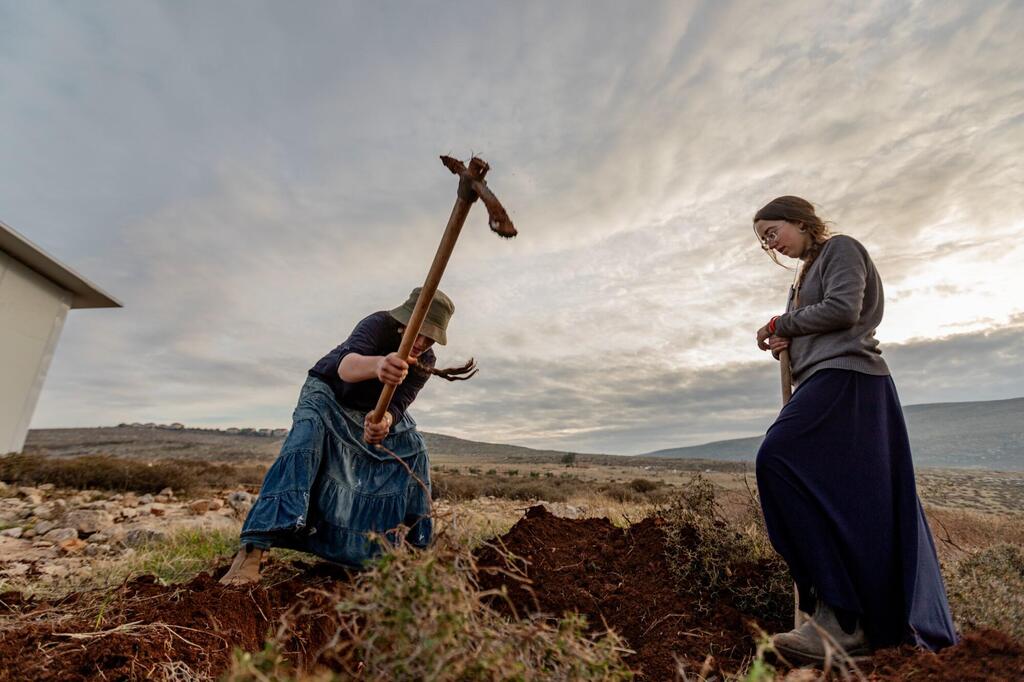
Young women live independently in Maoz Esther settlement in the West Bank. Aged 12 to 18, they tend the land, maintain the site, and pursue religious studies. They view themselves as a new pioneering vanguard. The site has been demolished and rebuilt roughly 30 times in the past five years (West Bank, 2021–2025)
(Photo: Maya Meshel)
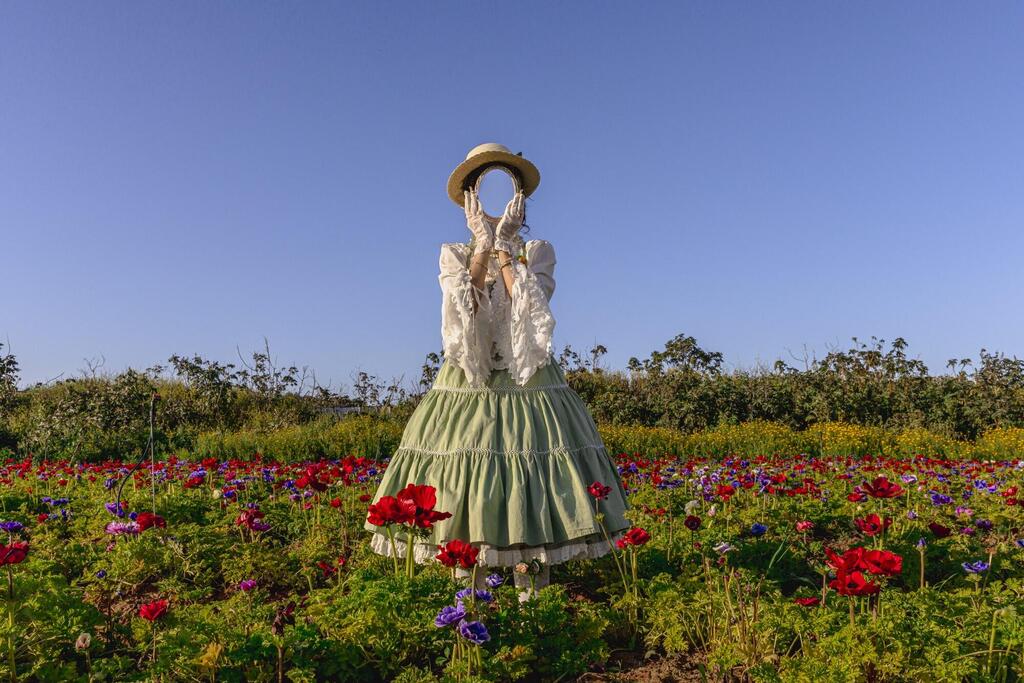
“Lolita” street fashion, originating in Harajuku, Tokyo, has been embraced by Israeli youth, drawn to its aesthetic ideals and fantasy elements. Lolita communities exist across the globe (Across Israel, 2020–2025)
(Photo: Cadya Levy)