

In 2009, the music industry was in the middle of a revolution. Sales of physical CDs had collapsed, YouTube was booming, iTunes dominated the market with songs selling for less than a dollar, and Spotify was still in its infancy on the way to global dominance.
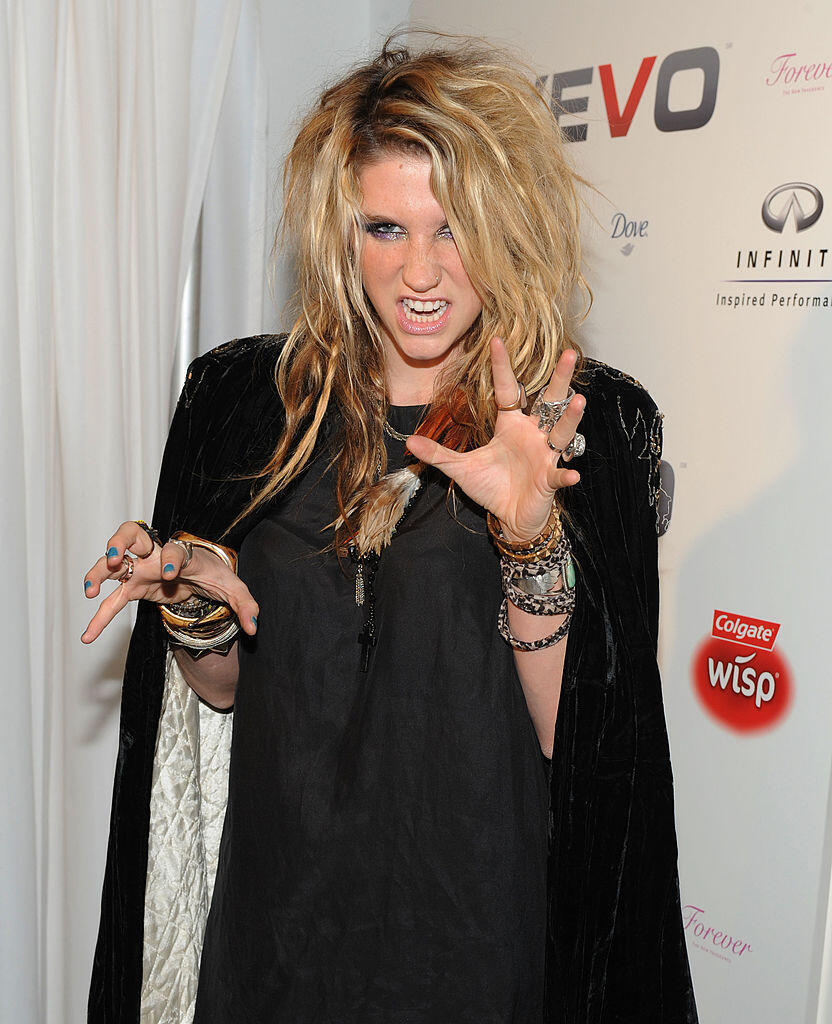
That same year, while the charts were ruled by Lady Gaga, Beyoncé, the Black Eyed Peas, Kanye West and Taylor Swift, a young and unknown singer released an infectious dance track called “Tik Tok" with a piercing, metallic voice and a curious name: Ke$ha. On the TV show “Glee,” they joked about how to pronounce it as “K-dollar-sign-ha.” To most listeners, she quickly became simply Kesha.
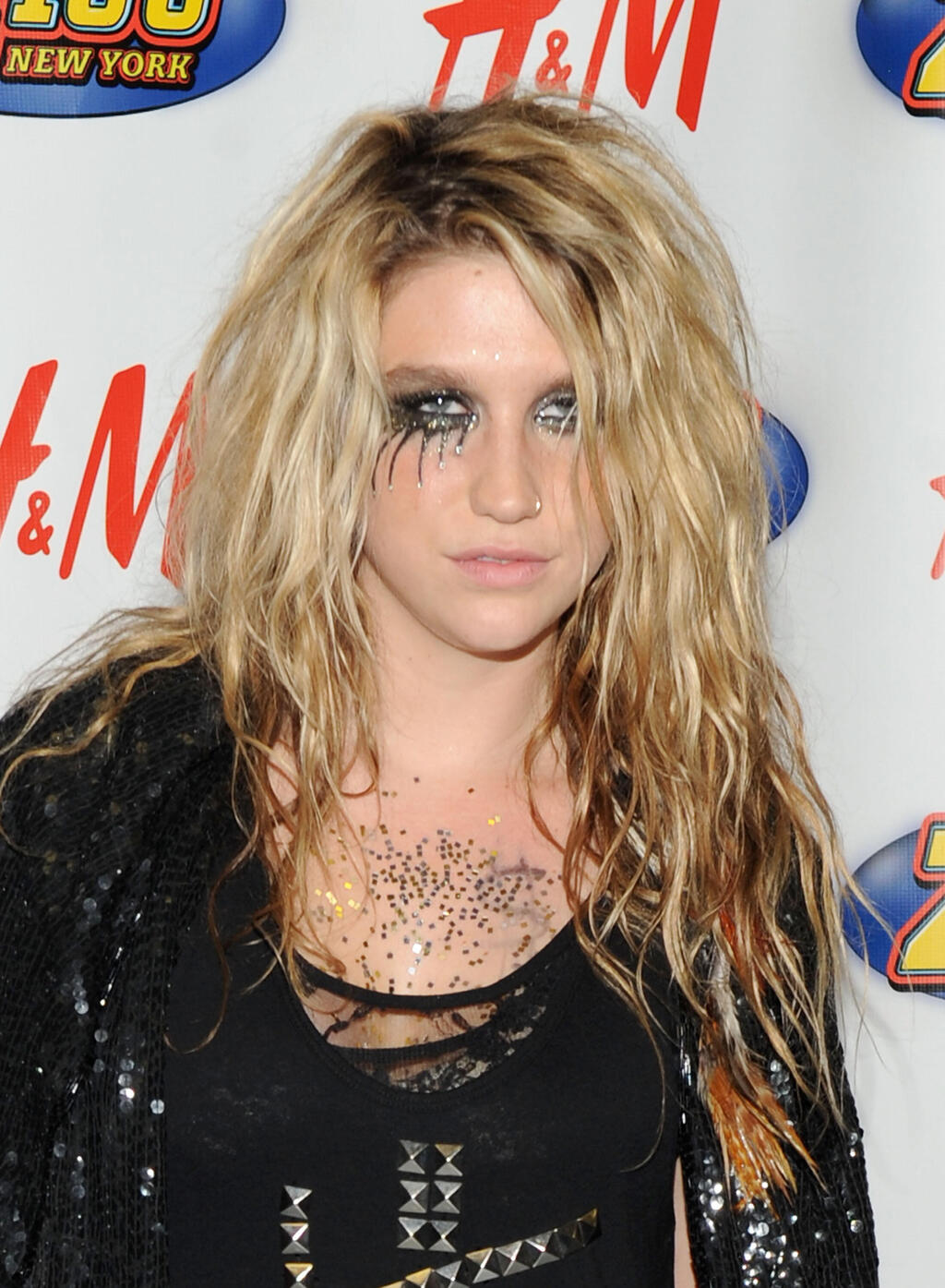
In her early years, she was known mainly for explosive party hits, often criticized as shallow pop designed to fill dance floors. Among them were collaborations like “Right Round” with Flo Rida and “Timber” with Pitbull.
Many young pop stars eventually try to reinvent themselves to be taken more seriously by audiences. But Kesha’s transformation was not a calculated rebrand; it was forced on her. From a carefree party-pop singer, she evolved into a combative artist with a clear agenda.
That was certainly not what she expected when she left home and headed to Hollywood, but those were the cards she was dealt, and she played them with unusual courage. Her biggest fight was with Dr. Luke, her mentor and producer, whom she later accused of exploiting and harassing her.
After that battle ended, and largely derailed his career, she also aimed at other powerful figures like Sean “Diddy” Combs and, and more recently, Donald Trump and the White House.
A few weeks ago, while tensions surrounding a potential war were still escalating, the White House’s TikTok account posted an edited video showing military bombings set to Kesha’s song “Blow.”
Kesha, who has never been a supporter of Trump, responded angrily on social media:
“It's come to my attention that the White House has used one of my songs to incite violence and threaten war,” she wrote. “Trying to make light of war is disgusting and inhumane. I absolutely do NOT approve of my music being used to promote violence of any kind.”
She added, "Love always trumps hate. Please love yourself and each other in times like this. This show of blatant disregard for human life and quite frankly this attack on all of our nervous systems is the opposite of what I stand for,” Kesha wrote
Then she added a more pointed political jab: “And don’t let this distract us from the fact that criminal predator Donald Trump appears in the (Epstein) Files over a million times.”
Did the White House take her remarks into account? Yes, it did. But by now we have known Trump and his team long enough to have a good idea of what their response would be.
'Stop using my music, perverts'
One of the U.S. president’s favorite pastimes, as is well known, is trolling celebrities, and despite the massive war the U.S. is currently leading, the White House still found time to respond to her:
"All these 'singers' keep falling for this", the official account wrote. "This just gives us more attention and more view counts to our videos because people want to see what they’re bitching about. Thank you for your attention to this matter."
White House deputy communications director Kaelan Dorr added:
"Kesha quotes are like Popeye’s Spinach to this team. Memes? They’ll continue. Winning? Will also continue."
Kesha fired back on X with a blunt message: “Stop using my music, perverts.”
At least in terms of online traction, Kesha appeared to win the round, as her tweet received more than 161,000 likes and over half a million views, while the White House drew far less attention, with just 1,600 likes and about 26,000 users who saw the post.
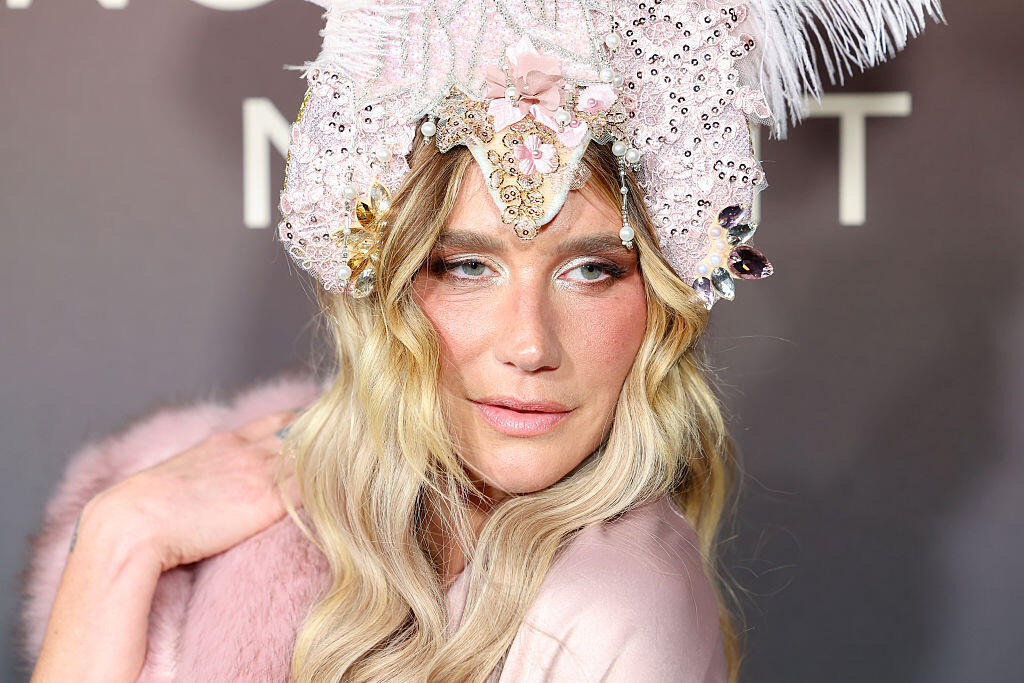
(Photo: Leon Bennett/Getty Images)
Raised without a father but with a tail
She was born in 1987 to Patricia Rose, a single mother who worked as a singer and songwriter and struggled to support Kesha and her brother. The family relied at times on welfare and food stamps. Still, Kesha says she never felt deprived, saying that her mother always found a way to make their lives happy, and she has never felt like she was missing anything.
Not even the absence of a father bothered her much. "She taught me that you don't need anybody else to validate anything", she told in an interview to The Guardian. "She wanted a child, she had me, she didn't want a man to tell her when and what to do. I think that's badass. She's a strong woman, a total hippie."
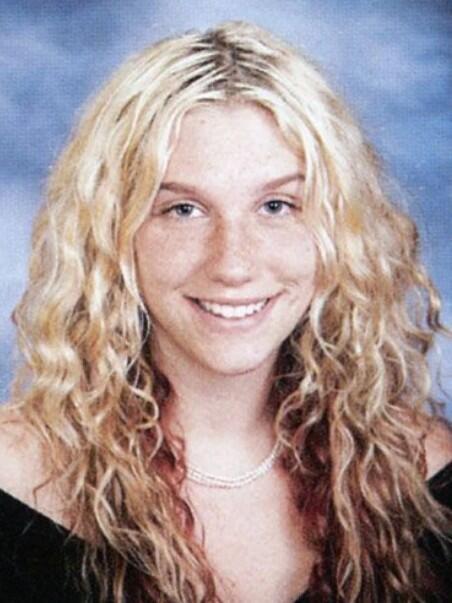
She grew up in a musical house, but with little money
(Photo: Instagram)
But Kesha did have something other children didn’t: a tail. It sounds dramatic, but the explanation is more mundane. Kesha was born with a rare congenital condition in which a small piece of tissue remains at the base of the spine after failing to develop properly during pregnancy.
“I was born with a tail,” she once said. “It was tiny, about a quarter of an inch.” Doctors removed it when she was very young, something she jokingly complains about today. “They cut it off and stole it from me,” she said. “That was when I was little. I’m really sad about it."
No money in the bank, but a dollar sign in her name
Kesha grew up in a musical house. As a child she often performed as a backup singer for her mother and recorded demos that were sent to music producers. One of those recordings eventually reached a rising producer named Dr. Luke.
Dr. Luke, whose full name is Łukasz Sebastian Gottwald, had trained under hitmaker Max Martin and quickly became one of the most successful producers in the industry. His credits include songs for Britney Spears, Pink, the Backstreet Boys, Avril Lavigne, One Direction, Shakira, Nicki Minaj, Jennifer Lopez, Tyga and Doja Cat.
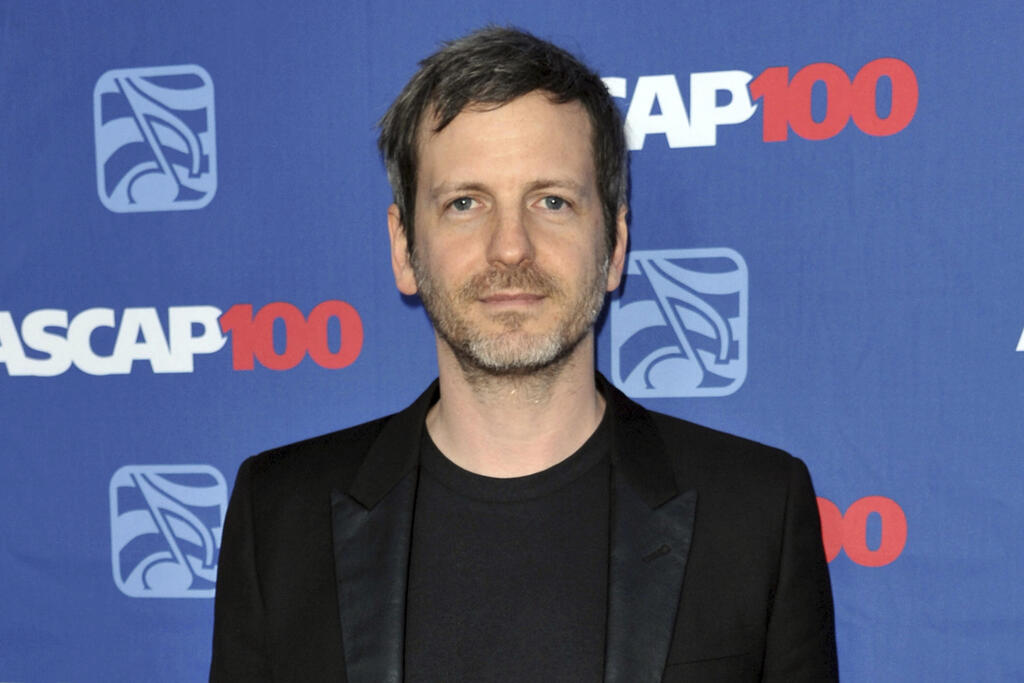
Dr. Luke
(Photo: AP)
He saw potential in Kesha and encouraged her to leave Nashville for Los Angeles. Still in high school, she chose the dream over college. Despite excellent grades and even a scholarship offer from Barnard College, part of Columbia University, she dropped out just before graduation and moved to Los Angeles.
Reality hit quickly. Even with a powerful producer behind you, success does not happen overnight. For years she bounced between recording studios and the restaurant where she worked as a waitress.
Her first breakthrough came when rapper Flo Rida asked her to sing on his track “Right Round.” The song became a massive hit, selling more than 12 million copies. But Kesha was not credited on the track, did not appear in the music video and, worst of all, earned no money from it.
“I’d go into the grocery store and that song would be playing,” she later recalled. “And I didn’t have money to buy the cheapest food", she said.
During that period she swapped the “s” in her name for a dollar sign, becoming Ke$ha. If there were no dollars in her bank account, at least there would be one in her name.
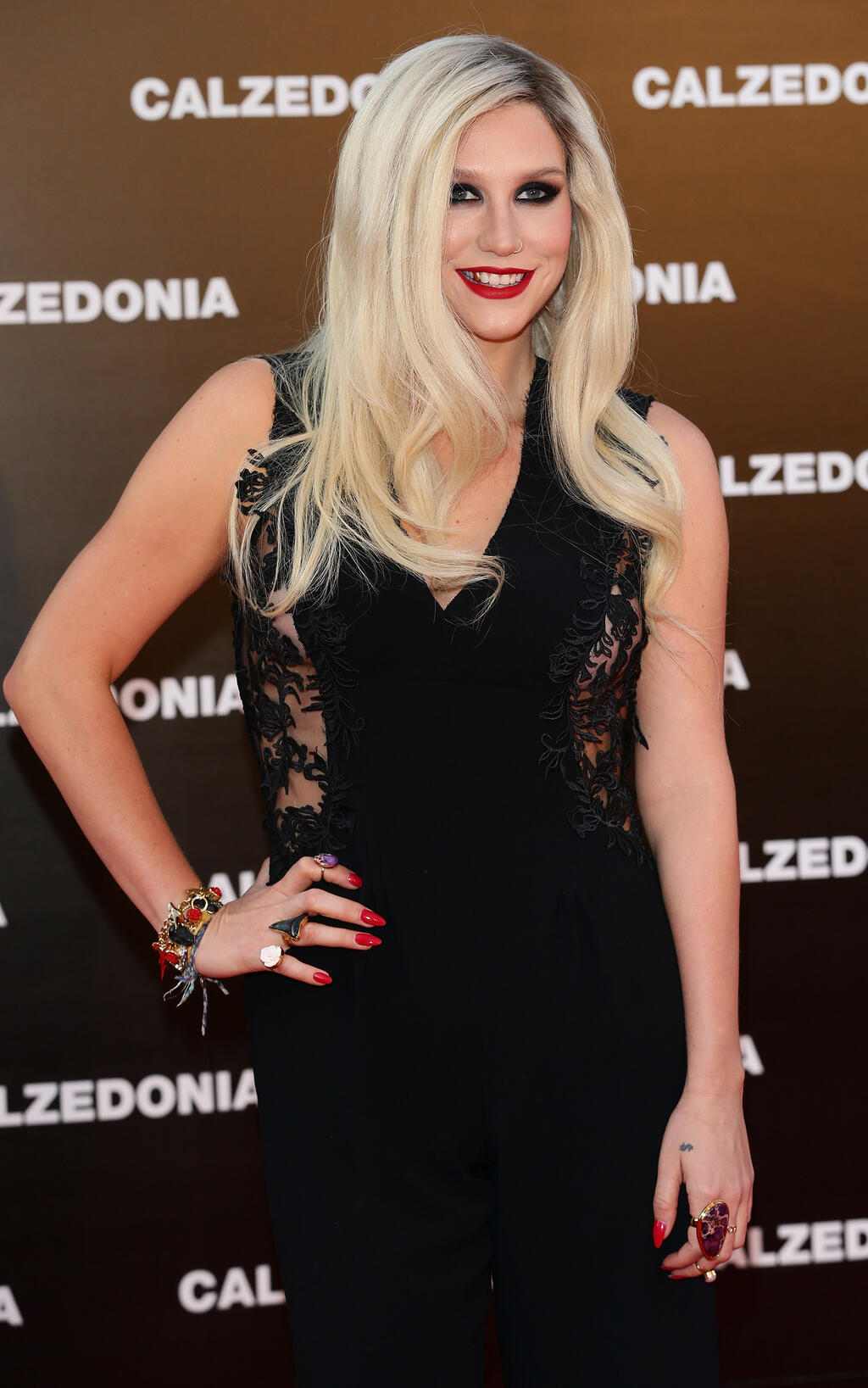
(Photo: GettyImages)
Gossip columns buzzed as her long-lost father resurfaced and her boyfriend left
Eventually the real money did arrive. Working with Max Martin and Dr. Luke, Kesha finished her debut album and released a single called “Tik Tok.” Named after the ticking of a clock, not the social media platform that would appear years later, the song exploded.
It became the best-selling song in the world in 2010, selling 12.8 million digital copies that year alone. It also spent nine consecutive weeks at No. 1 on Billboard.
Kesha’s career took off. She released a string of aggressive, unapologetic pop hits that dominated clubs and radio. But with fame came intense scrutiny of her personal life. Gossip columns dug into every detail, including the sudden appearance of a man named Bob Chamberlain, who told the tabloid Star that he was her biological father.
Kesha had long said she did not know who her father was. Chamberlain produced letters and photographs suggesting they had been in contact until she was 19. “Our contact ended, I don’t know why,” he said, wondering whether it was because her managers believed that being fatherless would market her better.
Kesha brushed it off with typical sarcasm. "Rehearsing for tour, doing interviews, still don't know who my dad is. yep, bizness as usual today", she wrote on Twitter.
Notorious internet provocateur Perez Hilton also targeted her. Hilton became a celebrity in his own right at the time by running a highly successful, notoriously toxic gossip site, where he regularly published aggressive and often crude content about celebrities, particularly young female stars.
In 2012 he posted intimate photos of her online. The incident did not damage her career, but it did affect her personal life. “Perez Hilton single-handedly ruined the only relationship that was ever meaningful to me,” she said via HuffPost. “He stands for everything I hate and everything I stand against.”
The explosive battle with Dr. Luke
For years, Kesha and Dr. Luke were considered a hitmaking powerhouse. Behind the scenes, she says, the situation was far darker.
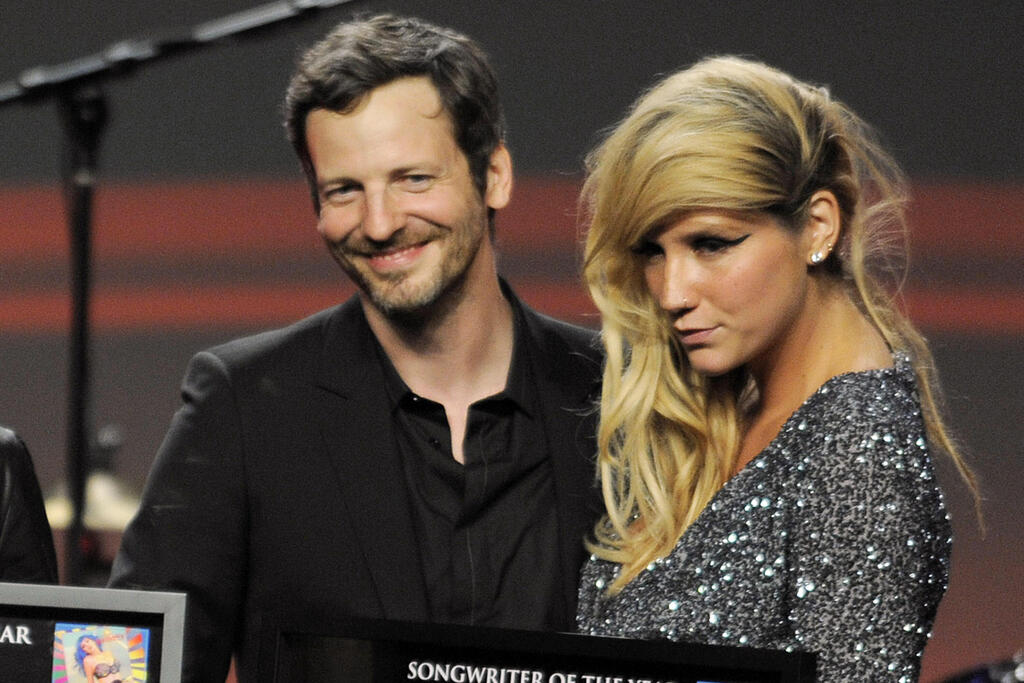
Kesha and Dr. Luke in 2011
(Photo: Kevin Winter/Getty Images)
When it became clear that Dr. Luke had taken full control of Kesha’s career, restricting her creatively and rejecting every proposal and song she wrote, fans turned against him and urged her to rebel against both him and her record label. Even her mother joined those calls, encouraging Kesha to take the step that ultimately led to the explosive showdown.
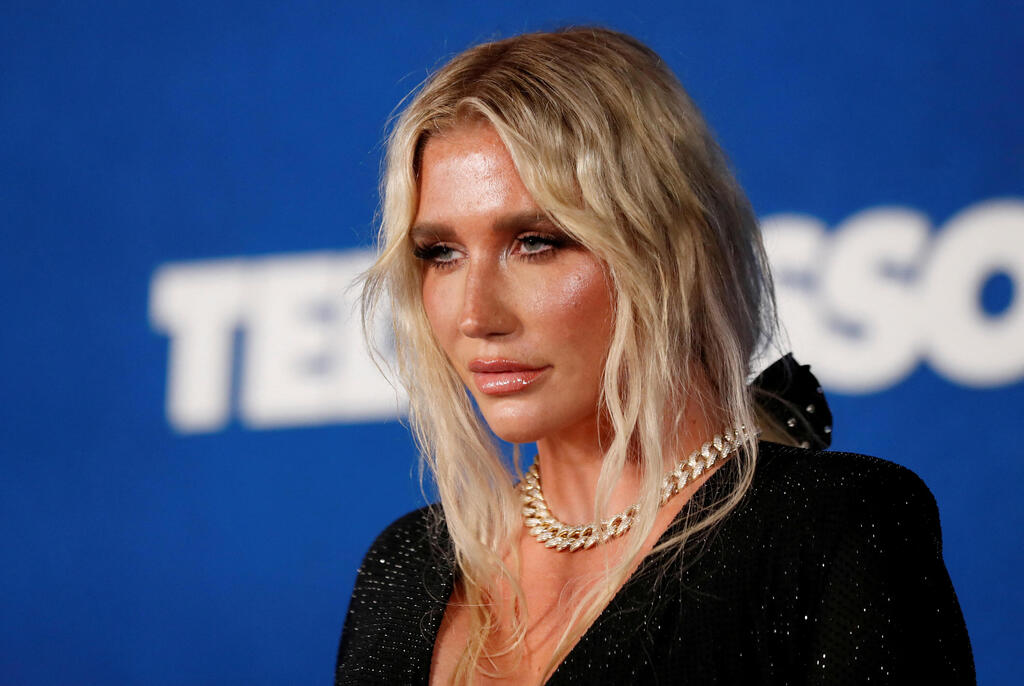
(Photo: Reuters)
In 2014 she filed a lawsuit accusing him of emotional abuse, gender-based hate crimes and workplace discrimination. She also sought to void her contract with his label, claiming it was sabotaging her career.
Her allegations were severe. She said he drugged her, sexually assaulted her and subjected her to constant verbal abuse. She also said the eating disorder that forced her to enter treatment months earlier stemmed from his relentless criticism of her weight and appearance.
Around that time she dropped the dollar sign from her name, a symbolic attempt to distance herself from the image associated with Dr. Luke.
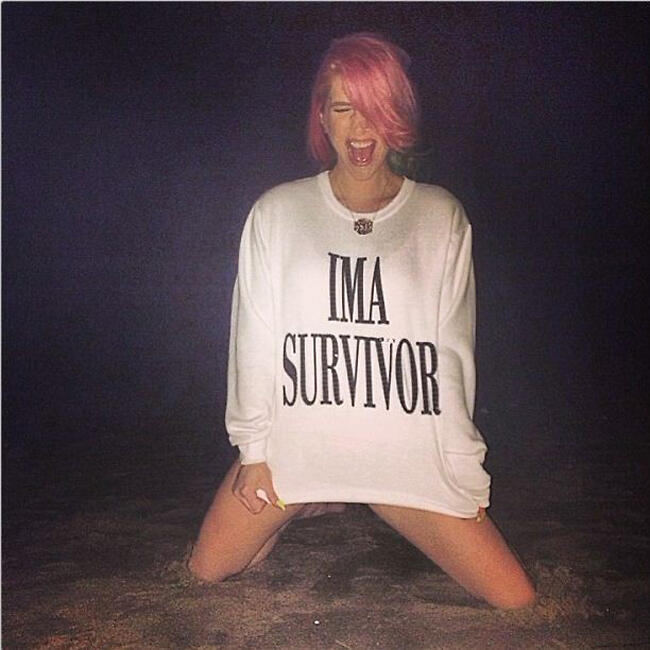
Survivor
(Photo: Instagram)
Luke denied the allegations and countersued for defamation and breach of contract. “I never raped Kesha and never had sex with her,” he said at the time. “We were friends for many years. She was like a little sister to me.”
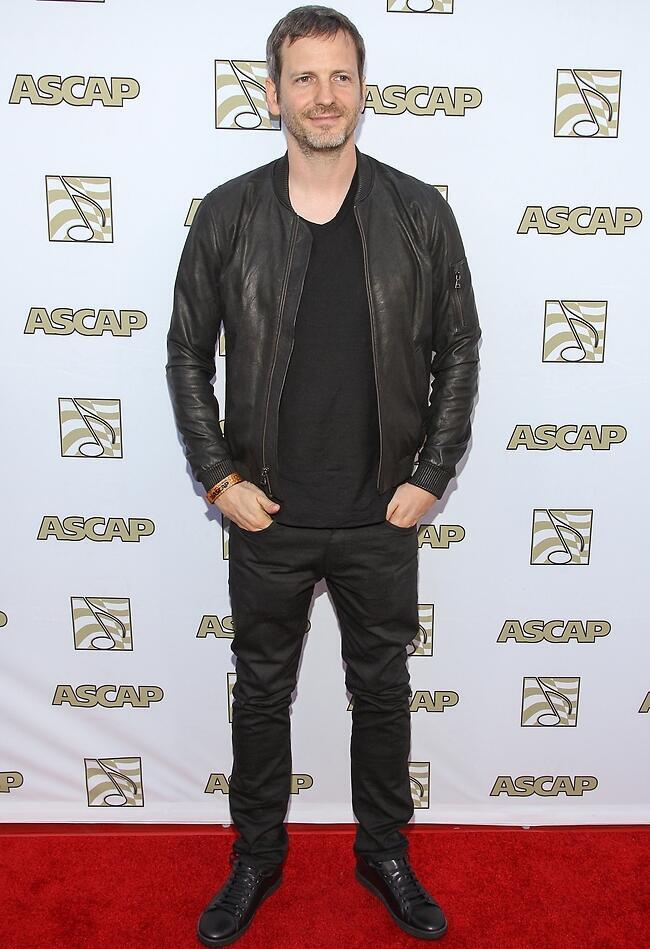
The legal fight was risky for Kesha. Challenging one of the most powerful figures in the music industry could have ended her career. But in this case, "Goliath" defeated "David".
Goliath
(Photo: Paul A. Hebert/Getty Images)
In 2016, a New York judge dealt her a major setback by dismissing key parts of her case and ruling she could not escape her contract, noting that Luke had invested $60 million in promoting her, and therefore she could not void the agreement with him.
As for her personal allegations against him, the judge said she was not convinced. Working against Kesha was the testimony she had given several years earlier, in which she stated that Luke had never drugged or raped her.
Kesha later said she made those statements because she was afraid of him and traumatized by him, but the damage had already been done.
Years later, the two sides finally reached a settlement in 2023. The details were never made public.
Thanks to Taylor Swift for a generous $250,000 donation
Even though she lost major legal battles, Kesha won significant support from the public. Artists including Adele, Lady Gaga, Miley Cyrus and Kelly Clarkson publicly backed her. Clarkson, who had also worked with Dr. Luke, later said the experience was “a nightmare.” Taylor Swift even donated $250,000 to help cover Kesha’s legal expenses.
Today Kesha has full control over her career. She no longer dominates the charts the way she once did, but she releases music on her own terms and maintains a loyal fan base.
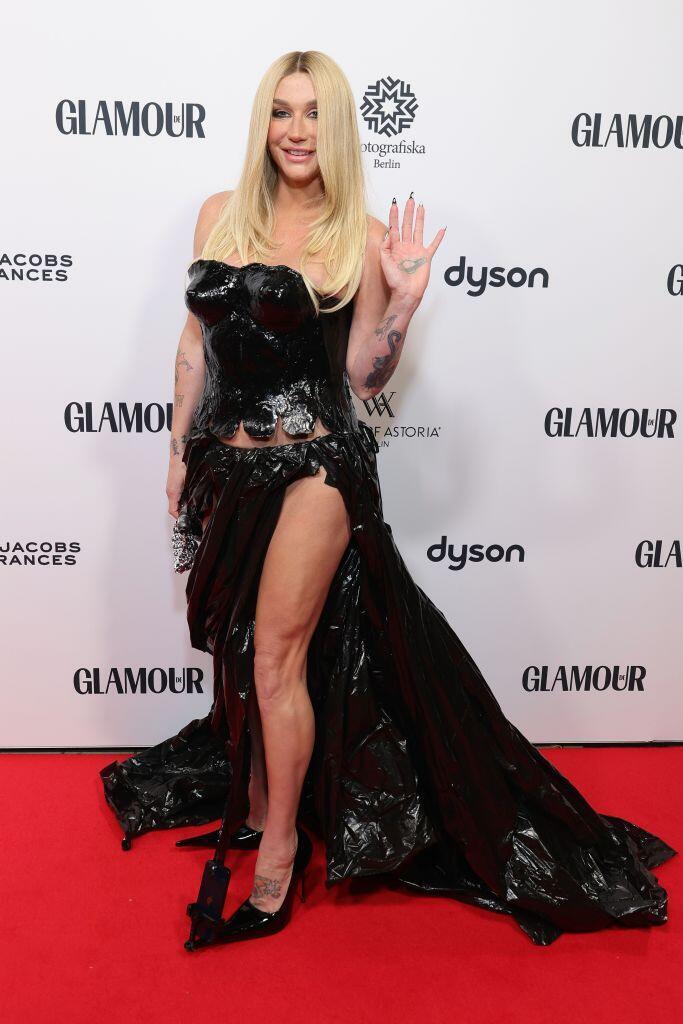
She also became an outspoken supporter of the #MeToo movement and organizations helping victims of sexual harassment. One symbolic move came during live performances of “Tik Tok.” After allegations against Sean “Diddy” Combs surfaced, she changed the famous lyric “Wake up in the morning feeling like P. Diddy.” First she replaced it with “feeling like myself.” Later she went even further , changing it to "like, 'F*** P. Diddy'".
(Photo: Andreas Rentz/Getty Images for GLAMOUR Germany)
As for Dr. Luke, he still works in the industry. But the phone likely rings less often than it once did.
Before the scandal, everyone wanted to work with him. After Kesha cut ties with him, only Katy Perry remained loyal, but it did not pay off. Her decision to work with him on her latest album came at a high cost. Beyond the fact that the album was widely panned, she faced a wave of backlash from the public, and the album performed poorly on the charts and with fans.
Katy, if you decide to work with someone so controversial, at least ask yourself whether it is worth it. In this case, the answer is no.
(Photo: Jason Kempin/Getty Images)