

One of the largest media deals in Hollywood history has already triggered lawsuits, mobilized unions and drawn politicians and stars into the fight. Over the weekend, it also acquired an Israeli front, along with an unusually forceful response from one of the world’s biggest studios.
Paramount accused Marvel star Mark Ruffalo of using “antisemitic imagery” after he linked the proposed acquisition of Warner Bros. Discovery to Oracle’s ties with Israel and the IDF.
Ruffalo, known to millions as Bruce Banner and the Hulk in the Avengers films, has for months been one of the most prominent Hollywood voices opposing the deal, valued at about $111 billion. Until now, his criticism had focused largely on layoffs, industry consolidation and the concentration of creative power. This time, however, he directly brought his views on Israel and the war in Gaza into the dispute.
In a post to his 20.5 million Instagram followers, Ruffalo shared a video of Safra Catz, the Israeli-American executive who served for years as Oracle’s CEO and now serves as its executive vice chair and as a member of Paramount’s board. Born in Holon, Catz is regarded as one of the most outspoken supporters of Israel among senior Silicon Valley executives. After October 7, Oracle publicly expressed support for Israel, and Catz has repeatedly made clear that the company has no intention of downplaying that position.
The video Ruffalo shared was recorded at a conference of the Israeli-American Council and has resurfaced online in recent days. In it, Catz described technological assistance Oracle provided to Israel after the Hamas attack.
“There are a few things that we did that I really can’t talk about to advance the effort of the Israeli military,” she said. “But we have some really, really scary technologies at Oracle, and we wanted to make sure they were available to the effort. Let’s just leave it at that, OK?”
Ruffalo wrote that Oracle was “the company Larry Ellison is using to fund his son David’s purchase of Warner Bros.,” and argued that those same technologies could eventually be incorporated into one of the world’s largest media conglomerates and “one day be used against you too.”
He accused Catz of boasting about what he described as “genocide,” which he said was “built on an apartheid system of oppression powered by Oracle.”
Larry Ellison, Oracle’s founder and one of the world’s richest men, with an estimated fortune of about $200 billion, is the father of Paramount CEO David Ellison. The elder Ellison’s wealth is one of the main financial pillars behind his son’s effort to take over Warner Bros. Discovery and bring two of Hollywood’s most powerful brands under one corporate roof.
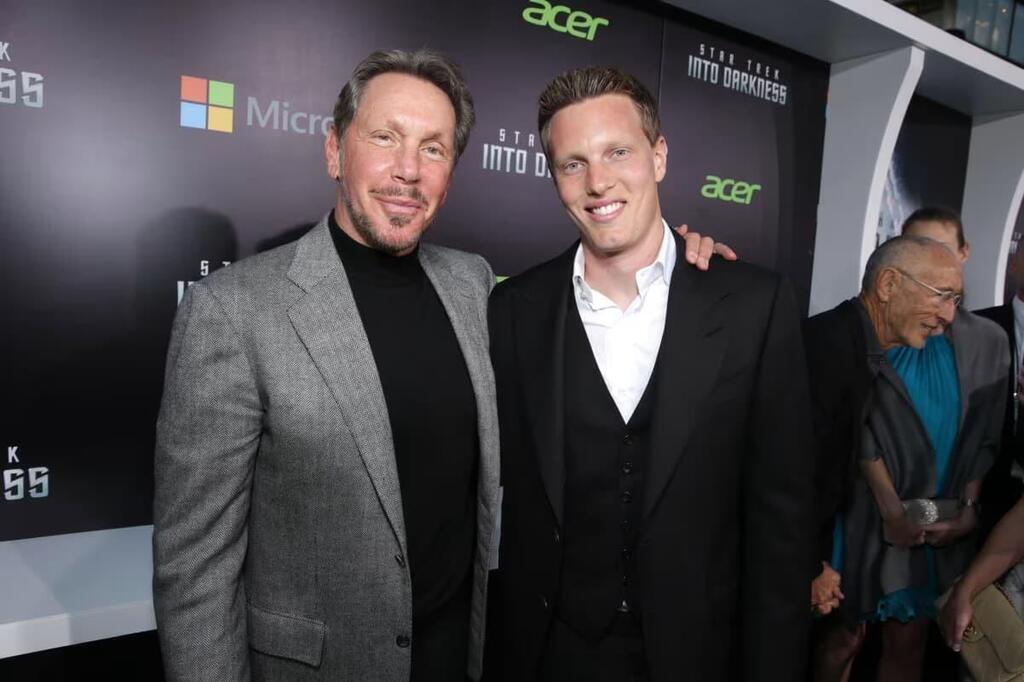
Ruffalo called Larry Ellison a “classic oligarch” and accused the family of “crushing workers and concentrating the wealth of the world for their power and control.” In his view, the deal would give the Ellisons not only vast commercial power but also broader control over movies, television, news and other content reaching hundreds of millions of people.
Hollywood studios rarely choose to enter a public confrontation with major actors. Paramount, however, responded at length and went further than merely rejecting Ruffalo’s claims, explicitly characterizing his rhetoric as antisemitic.
“We are troubled, as always, when alleged antisemitic imagery is used in the service of a business dispute,” a company spokesperson said. “Words like ‘genocide’ and ‘apartheid,’ when used about a corporate transaction, are not just wrong. They cross a line, and they diminish the real suffering those words are meant to describe.”
Paramount added that Ruffalo’s remarks “expose the real motive of some of those who have opposed the transaction,” suggesting that at least some critics were motivated by more than antitrust concerns, job losses or the future of the entertainment industry.
The company said it wanted to “lower the temperature, not raise it,” and stressed that it remained committed to “every story, every storyteller, and no blacklists. No exceptions.”
The reference to blacklists was not accidental. Only a few months ago, Ruffalo said he assumed he had already been placed on one because of his opposition to the Ellisons. He said people in the industry were afraid to sign a letter opposing the deal and argued that some in Hollywood viewed the family as retaliatory toward those who challenged them.
Ruffalo’s criticism of Israel long predates the current dispute. In 2020, he described the relationship between Israel and the Palestinians as “a kind of apartheid” and argued that U.S. support for Israel helped sustain a system of separation and violence.
During the 2021 Gaza fighting, he called for sanctions on Israel until it “liberates the Palestinians.” That same year, he also used the term “genocide,” only to publicly retract it afterward.
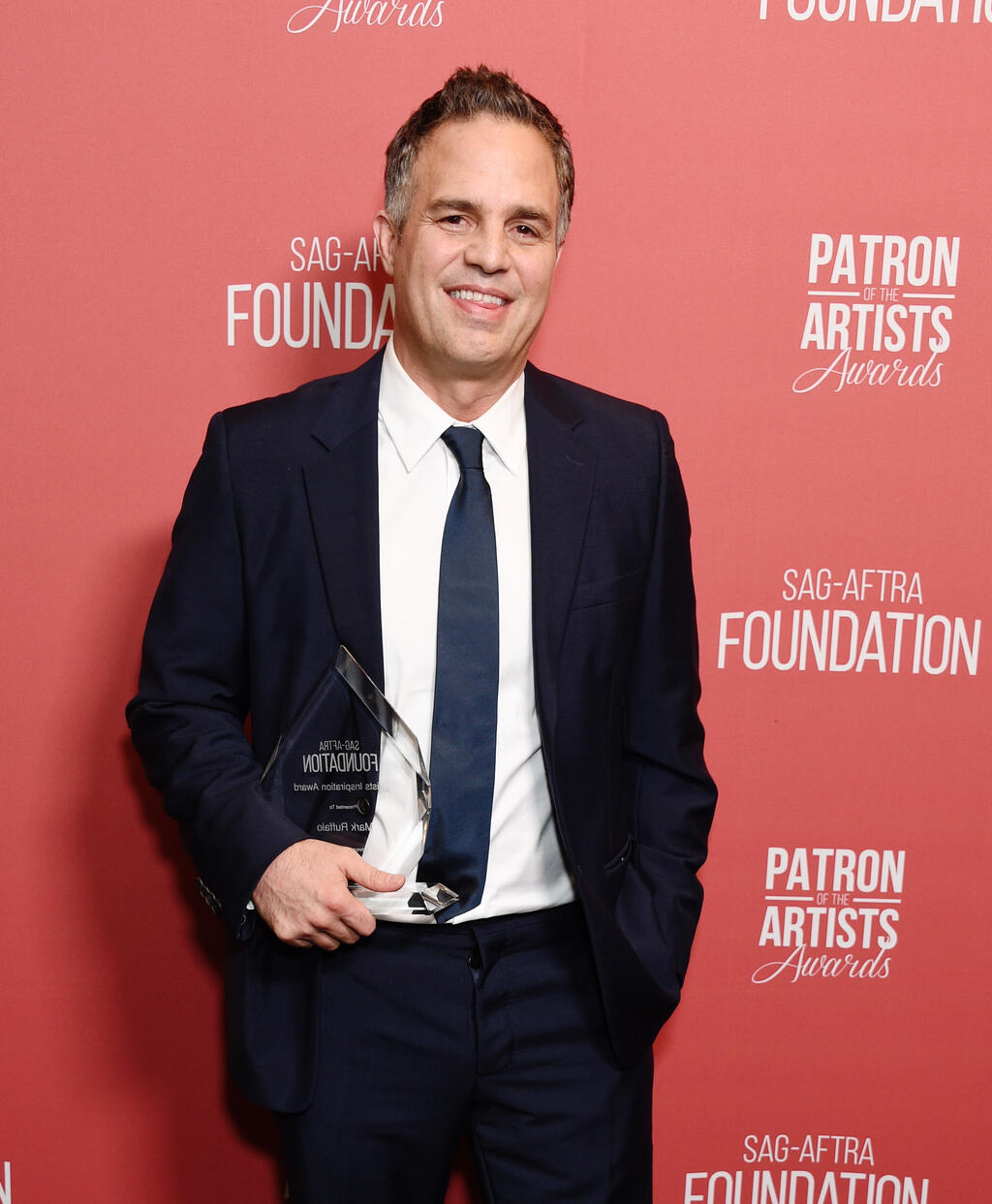
Mark Ruffalo
(Photo: Getty Images)
“I have reflected & wanted to apologize,” Ruffalo wrote at the time after the fighting between Israel and Hamas. He said the accusation that Israel was committing genocide was “not accurate, inflammatory and disrespectful,” and warned that such language was being used “to justify antisemitism here and abroad.”
Since October 7, however, Ruffalo has become one of the more visible faces of Hollywood’s pro-Palestinian camp. He was among hundreds of artists who signed an Artists4Ceasefire appeal to then-President Joe Biden and lawmakers urging them to demand a ceasefire in Gaza, and he wore the campaign’s red pin to the 2024 Academy Awards.
He later joined an initiative calling on the United States to halt weapons transfers to Israel that signatories argued violated U.S. and international law.
Last year, Ruffalo went further, joining Emma Stone, Olivia Colman, Javier Bardem and others in a pledge not to work with Israeli film institutions that signatories described as “implicated in genocide and apartheid.” The initiative said the boycott targeted institutions rather than individual Israeli filmmakers. Paramount itself publicly opposed that boycott at the time.
His campaign against the Warner Bros. deal, however, began for entirely different reasons.
Ruffalo testified against the transaction at a Senate hearing, signed a letter with hundreds of industry figures urging regulators to block it and argued that it would lead to layoffs, weaken competition and concentrate both economic and creative power in the hands of a single family.
He has also circulated estimates suggesting that the merger could result in the loss of around 4,500 direct jobs in Los Angeles’ film and television industry, along with thousands of additional indirect jobs.