

Three and a half years ago, actor, playwright, presenter and screenwriter Richard O’Brien, creator of the “Rocky Horror Picture Show” phenomenon and the man who played Riff Raff on stage and screen alike, was about to celebrate his 80th birthday. To mark the milestone, his son Linus, a filmmaker, musician and DJ, decided to compile clips for his father, who lives in New Zealand.
Then Linus noticed the many comments piling up on YouTube beneath the stirring “I’m Going Home” clip, sung by Tim Curry in “The Rocky Horror Picture Show.”
‘Strange journey: the story of ‘The rocky horror picture show’’ - trailer
(Video: PR)


“After I read the comments, I felt I had to dedicate something to the fans of the film,” Linus says in a virtual, ocean crossing interview from Los Angeles. “After that I thought there actually isn’t a documentary about ‘The Rocky Horror Picture Show,’ so it would be good to make one.”
What was it in those YouTube comments that moved you so much?
“The comments showed how much the fans love the film and how much it changed their lives, how it helped them find people who are like them. And I’m not talking only about strangers who became friends, but also family members who grew closer, like the daughter and mother who watched it together every year, on a special date. The film connected families and communities. Dad is happy that the film became, as he himself says, a place for ‘rainbow people’ to meet one another. He sees that as a gift.”
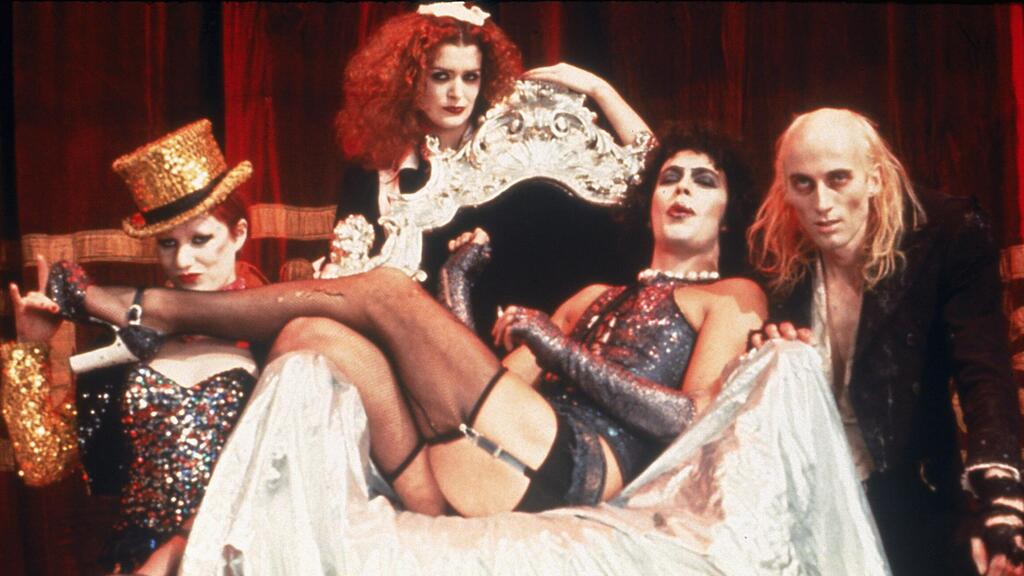
Linus decided to contact his close friend Avner Shiloah, 42, an Israeli editor building an impressive career in Hollywood, including work on acclaimed documentaries such as “The Dissident,” about Saudi journalist Jamal Khashoggi, who was murdered in Istanbul. Shiloah is also married to Amy, a musician who previously worked with Linus.
Shiloah comes from a distinguished background that does not exactly connect to the material of “The Rocky Horror Picture Show.” His late grandfather Reuven Shiloah founded the Mossad and was its first commander. His maternal grandfather was Colin Gillon, a former state attorney. While Linus took the director’s chair, Shiloah took on not only editing but also the script and producing duties.
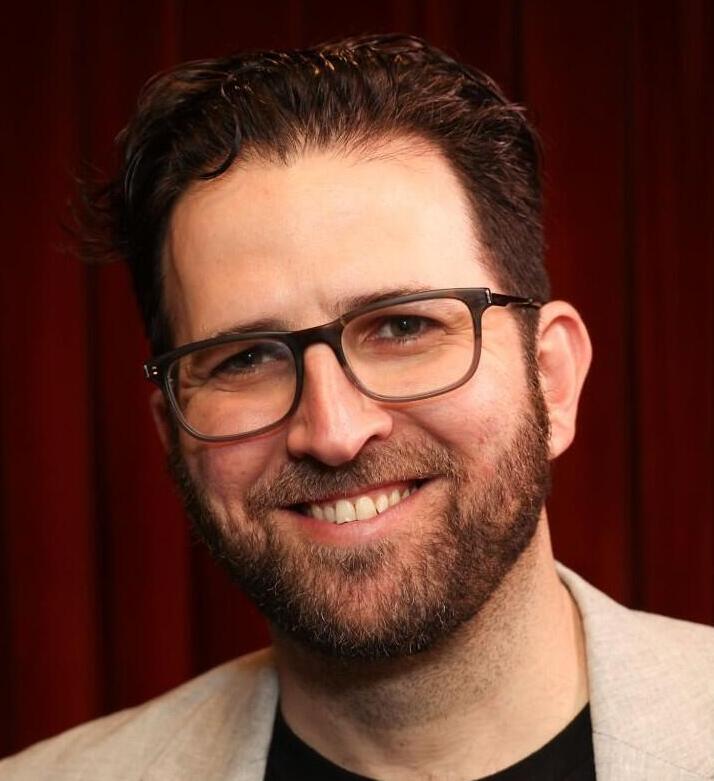
Avner Shiloah
(Photo: Samantha Brukardt)
“When Linus approached me, I told him, ‘OK, sure, the cult around the film matters, but for me there’s something beyond a nostalgia trip,’” Shiloah says. “So I told Linus we had to do something more contemporary and check what the emotional core of ‘Rocky Horror’ is. We also started talking about his father, who basically created a musical and a film that helped so many people come out of their shells, to shape and express their sexuality and identity. He himself struggled to accept himself as he is.
“From talking with Linus, I also understood there’s a father and son story here and something important to say about that. In many films I work on, I come in as an outsider, and that was the case this time too.”
When did you first see “The Rocky Horror Picture Show”?
“I grew up in Ra’anana, and when I was in high school, many of my friends went to screenings with live performances and audience participation at Cinema Kochav in Ramat Hasharon. But I was so shy then that I couldn’t bring myself to go to those screenings. Since I was a devoted film buff, I watched the movie on VHS. I don’t think I understood it at the time. I thought some things were impressive, but that it was a bit slow. I wasn’t comfortable then trying to understand meanings of sexuality and gender identities. I focused only on its cinematic aspects.”
A short time after the idea for a documentary came up, Linus and Avner were already on a plane to New Zealand to meet and interview Richard O’Brien. That was only the beginning of the journey whose result is “Strange Journey: The Story of Rocky Horror,” a fascinating and engaging documentary that premiered this year at the SXSW festival in Austin, Texas. The timing was perfect. The ultimate and most famous cult film is celebrating its 50th anniversary.
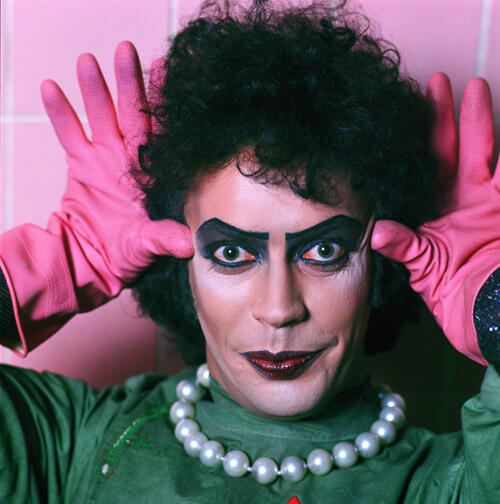
Tim Curry, from ‘Strange journey: the story of ‘The Rocky horror picture show’'
(Photo: PR)
Since then, the documentary has toured festivals and commercial screenings, and now it is coming to Israel. This week it will be shown at the Soundtrack Festival 2025 at the Tel Aviv Cinematheque, with Shiloah present (Friday at 7:30 PM). After the screening, he will take part in a conversation moderated by Dr. Nir Ferber. Shiloah will also lead a master class (Friday at 6 PM).
“I invited a childhood friend from Ra’anana who once appeared on TV dressed as Dr. Frank N. Furter, the film’s main character. When I worked on the documentary, I kept thinking about that friend,” Avner says. “I’m curious to see his reaction. While we worked on the film, I was very anxious about how the fans would respond. That was one of the most important things for me. I wondered whether they’d think the film did justice to their story. I didn’t want them angry at us. Luckily, they were very moved and told us, ‘You made something that’s very important to us.’ We managed to capture the experience of fandom as it truly is, and that satisfies me.”
Linus adds, “Every day people come up to me saying how much they love ‘Rocky Horror’ and how it saved their lives, and that if they hadn’t seen the film, they wouldn’t be alive today.”
How does the fandom look in the era of social media and TikTok?
Avner: “It’s strange that the fan community isn’t very active on social media, because what matters to them is being present at screenings. The connection is human and face to face, which doesn’t fit social networks. I went to screenings in Los Angeles and New York and it was amazing to see what a community still exists around the film. It felt authentic. I met people who change every week. One interviewee says in the film, ‘Now I’m a man, next week a woman, the week after that I’m they.’ And no one judges them.”
Linus: “‘Rocky Horror’ survives inside its own bubble, and it will never disappear, because there will always be people who feel different.”
‘The film brought me and Dad closer’
Indeed, “The Rocky Horror Picture Show” was ahead of its time on sexuality. Richard O’Brien wrote it in the pre-AIDS era, during years of feminist revolution and sexual liberation, and especially coming out of the closet. O’Brien first created a stage musical called “The Rocky Horror Show,” which opened in 1973. Jim Sharman, who directed the London production, turned it into a film in 1975.
At first the movie flopped. Then it was screened at midnight shows in New York and Texas and began gaining momentum. Devoted fans threw rice, lit candles, brought umbrellas and newspapers, shouted back lines, and of course sang the wonderful songs. As Sharman once said, “Rocky Horror began as a tribute to midnight movies and ended up as a midnight movie.”
The plot follows an engaged couple, Brad and Janet, who stumble during a stormy night into an old castle where Dr. Frank N. Furter welcomes them, introducing himself as a “sweet transvestite from Transsexual, Transylvania.” Inside, a feast of kinky sexual abandon and a celebration of identities unfolds, in a time before a gender lexicon existed. Suddenly LGBTQ people could come out of the closet and follow the message of one of the songs: “Don’t dream it, be it.”
In Israel, by the way, the film arrived only in late 1979 due to censorship issues and distribution considerations. Later, the cult phenomenon was born at the now defunct Paris Cinema in Tel Aviv.
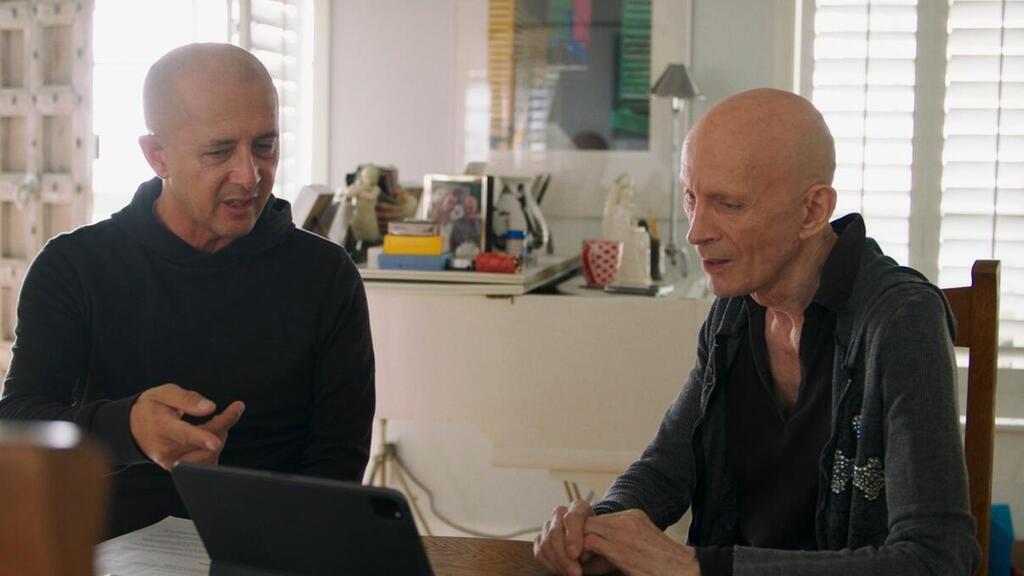
Linus O’Brien and his father Richard O’Brien, from ‘Strange journey: the story of ‘The Rocky horror picture show’
(Photo: PR)
What is surprising and ironic in all of this is that O’Brien, who was married three times and has three children (Linus is his eldest son, from his marriage to actress Kimi Wong), struggled for years with his own gender identity. “Today, Dad sees himself as transgender,” Linus reveals. “He considers himself 30 percent woman and 70 percent man. All those years, his identity was always in the background. Of course he knew he felt different, and he might have felt more feminine, but it was the 1960s and 1970s, everyone was infected by the freedom bug, experimenting, and we didn’t know there were days when he felt entirely female. That wasn’t something he knew, either. He didn’t know how to talk to anyone about it.
“Dad was very frustrated that he didn’t feel comfortable being himself, and that frustration showed in different ways throughout the 30 years after I was born. Once he felt comfortable feeling what he felt and being who he is, without trying to fit what society might have demanded, I think that’s when he began to calm down, and so did we. Our relationship improved from that point on.”
What was it like to grow up as Richard O’Brien’s son?
“It’s very nice. He was a supportive father and a kindhearted person. I remember seeing the stage production of ‘Rocky Horror’ when I was 5, and how Dad took me to the set of his film ‘Flash Gordon.’ The thing is, he needed time just for himself, something that’s hard for a child to accept. Dad was present and good to me, but sometimes human company was difficult for him. I don’t mean he was antisocial or a hermit. But he preferred the protective layer that being alone gave him. Sometimes the outside world challenged him.
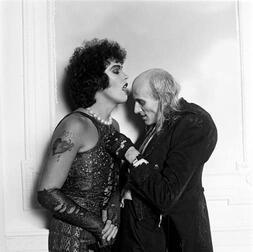
Richard O’Brien and Tim Curry
(Photo: PR)
“Do you know the term neurodivergent?” Linus asks. “It’s an umbrella term for neurological diversity that includes attention disorders, autism, bipolar disorder and more. In our family, my brother, my father and probably my sister, we’re all neurodivergent to some degree. It’s something I learned about only in recent years. In each of us it shows differently, and that’s true for all people. In the past, no one knew what it meant. Only recently has it become more common to talk about mental health issues and difficulties.”
Linus believes most “Rocky Horror” fans are highly neurodivergent. “When people say they ‘felt different’ or ‘felt alienated from society,’ I don’t think they’re only talking about gender and sexuality, but also about how their brains operate.
“Sometimes attention issues, as you surely know, can be a real superpower. People with attention issues can do things that a ‘normal’ person finds hard to do. The goal is to make sure the negative elements that come with attention issues and neurodivergence don’t harm life overall. We all try to find things that make us feel safe and comfortable. My father, I think, struggled through life to find what would make him feel safe. That made growing up with him challenging, but he expressed deep love and gave me a lot of support.”
Did making the documentary affect your relationship?
“I don’t know if it changed it, but the film definitely brought us even closer, though we weren’t distant to begin with. It was simply another opportunity to experience and share together all the good things and people we reached. It was a lovely experience overall.”
What did your father think of your film?
“Dad really liked it and thought it was well made. Overall, he enjoyed it very much.”
‘For all its sexiness, there’s something very innocent about this film’
“Strange Journey: The Story of Rocky Horror” is packed with nostalgic archival footage, clips from narrative films such as “Fame” that immortalized the cult, and contemporary interviews with the people involved. One of the most moving is an interview with Tim Curry, the film’s star, who suffered a stroke 13 years ago during a massage and has barely been seen in public since.
“Tim’s physical condition isn’t good,” Avner says. “It was a rare interview. We didn’t know if he’d agree at all. Recently he’s been leaving the house again, appearing at festivals and speaking with people. But when we filmed him, it had been a long time since he’d appeared publicly. Because of the stroke, it takes him time to get the words out, and that’s a problem, but the words are there. The humor and sharpness stuck around, and you see it in our film. He’s very sharp.”
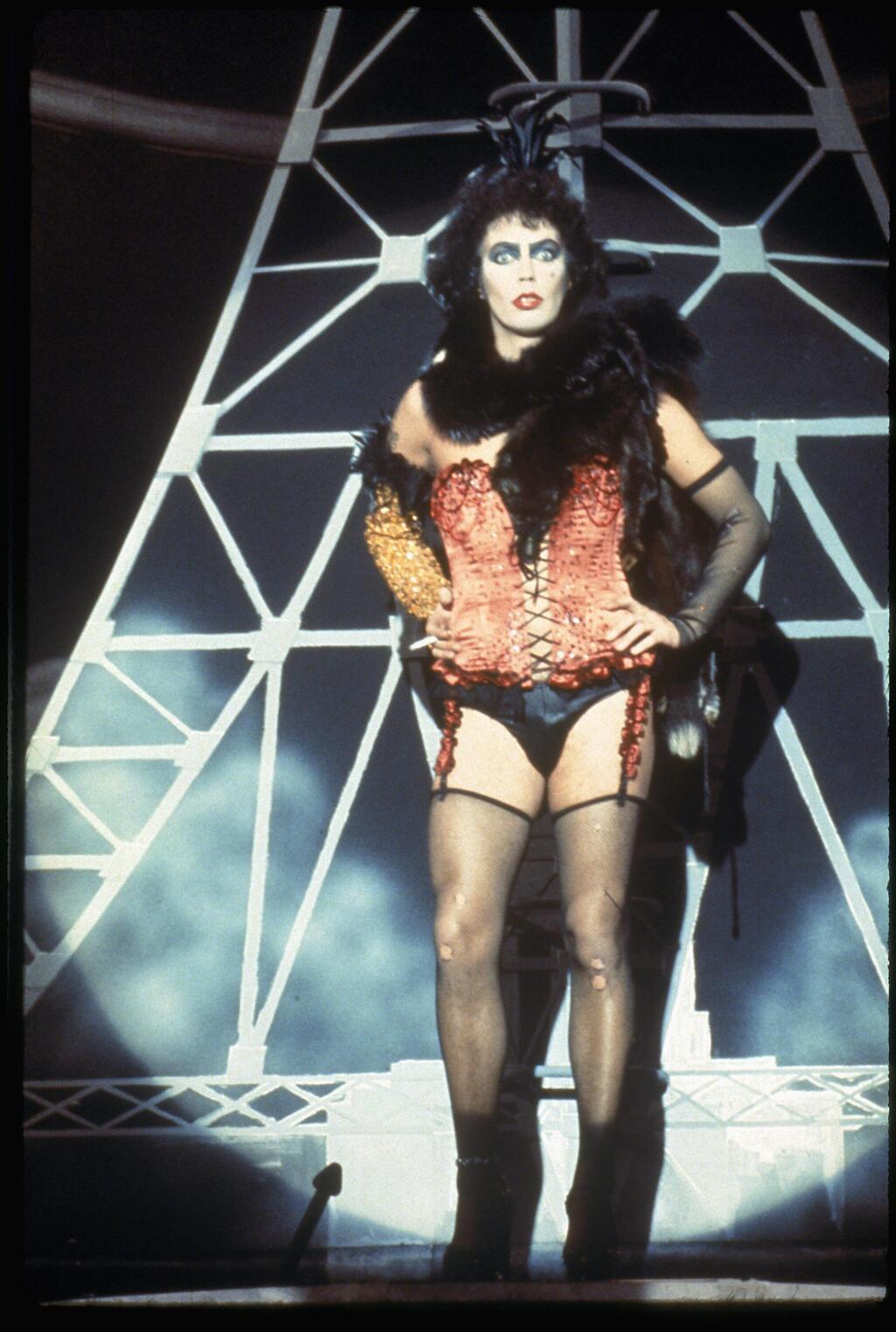
Still devouring life. Tim Curry, from ‘The rocky horror picture show’
(Photo: yaes)
Linus adds, “Seeing someone like Tim Curry, who was so full of life and had such powerful presence, so weakened, is heartbreaking. But Tim doesn’t pity himself. He tries to devour life despite his situation. Even if he isn’t 100 percent, let’s be happy he’s alive and that we can still listen to him.”
Another interviewee is Susan Sarandon, who played the newlywed sweetheart Janet Weiss. As is known, shortly after Oct. 7 the Hollywood star took part in a pro-Palestinian protest and said, “Now Jews know what it feels like to be Muslim.” After furious reactions to the antisemitic remark and after her agency cut ties with her, Sarandon walked back her words and posted that “for many years Jews have faced discrimination and violence because of religion. I deeply regret minimizing that.”
Since then she has continued to attack Israel over the war in Gaza and to sign petitions.
Avner, how did Sarandon react to the fact that you are Israeli?
“I’ve known Susan long before Oct. 7 because I worked with her son, Jack Henry Robbins, and I’m a good friend of his. My wedding to Amy was even at his house. So I arranged the interview with Susan. It’s possible she wouldn’t have agreed without my connection with her son.
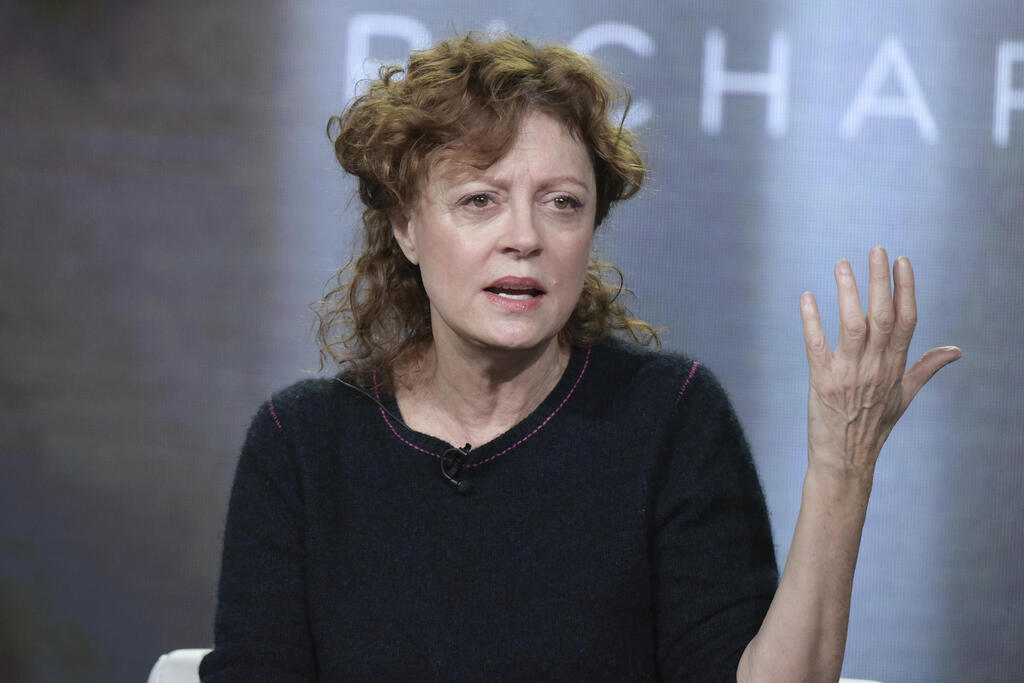
Not talking about Israel, Susan Sarandon
(Photo: AP)
“Since Susan already knows me, we didn’t really talk about Israel or my background. I was there to talk about ‘Rocky Horror,’ so I didn’t bring it up. I didn’t want to provoke antagonism. Susan is a very intelligent woman and she says beautiful things about ‘Rocky Horror.’ Among other things, she says it is a political film.”
Do you agree with that?
“Yes. Susan says films either challenge the status quo or they don’t, and ‘Rocky Horror’ challenges it, which makes it political. It’s political unintentionally. Richard O’Brien didn’t try to make it that way. Richard told us he and his friends wanted to do something fun with good songs, and they weren’t thinking about social impact. ‘Rocky Horror’ is political just by existing. If it were didactic, it would have failed completely. It’s simply authentic.”
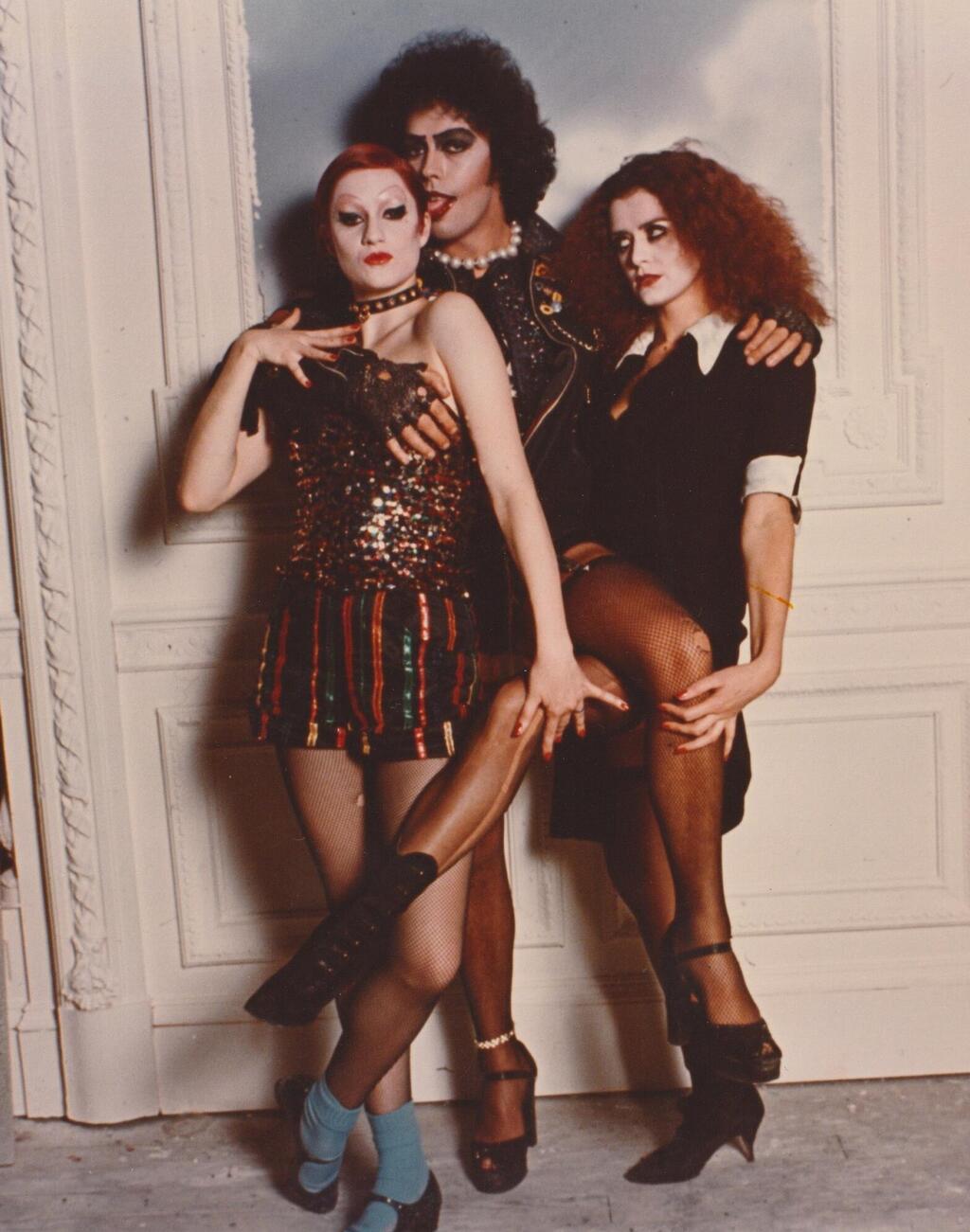
Kink that even conservatives will love, Tim Curry and friends
(Photo: PR)
Linus and Shiloah’s film arrives amid a growing wave of conservatism and transphobia in the Trump era.
“In Florida, it was recently banned for young people under 18 to see ‘Rocky Horror,’ because it’s considered a drag show,” Avner says. “In the 1970s and 1980s no one raged against it, and the film became a phenomenon even in the Midwest and the southern United States. For all its sexiness, there’s something very innocent about it, which makes it a safe place for people to express themselves, not only those from the LGBTQ community. Even some fairly conservative people felt safe with it.”
Linus concludes: “Politics in America, and honestly in the rest of the world too, usually works like a pendulum. It swings right and the country gets more conservative, then it swings left and becomes more liberal. Right now the pendulum is becoming more and more extreme. Everyone rushes to say, ‘You need to do this’ or ‘live like this.’ Really, I have to do that? We don’t show enough compassion, not toward ourselves and not toward others. Ideally I’d want the pendulum to sit in the middle, and for all of us to grow and learn together as one society, as the human race.”
First published: 00:03, 12.06.25