

Israel’s car market is grappling with a surplus of tens of thousands of unsold vehicles, many of them electric, as importers fiercely compete for customers’ wallets. While some tactics to attract buyers are legitimate, others fall into a gray area of questionable practices.
Gasoline-powered vehicles leave less room for misleading claims, but electric vehicle (EV) marketing often involves vague promises about charging capabilities, range and trade-in deals, where critical details remain obscured.
In recent months, unsubstantiated claims by importers have surged, bombarding consumers with misleading advertisements. Modern cars, especially EVs, rely heavily on smartphone connectivity to allow drivers to control vehicle functions. Two dominant systems, Android Auto and Apple CarPlay, enable full phone mirroring on car screens and near-complete control via smartphones.
Instead, they offer partial “mirroring” solutions that project phone content onto the car’s screen but require downloading proprietary apps, falling short of full integration. Some importers promise “future connectivity” for these systems, but these assurances are often non-binding.
“They throw out claims like ‘one day Android will be available,’ but there’s no legal commitment,” industry observers note, urging consumers to approach such promises with skepticism.
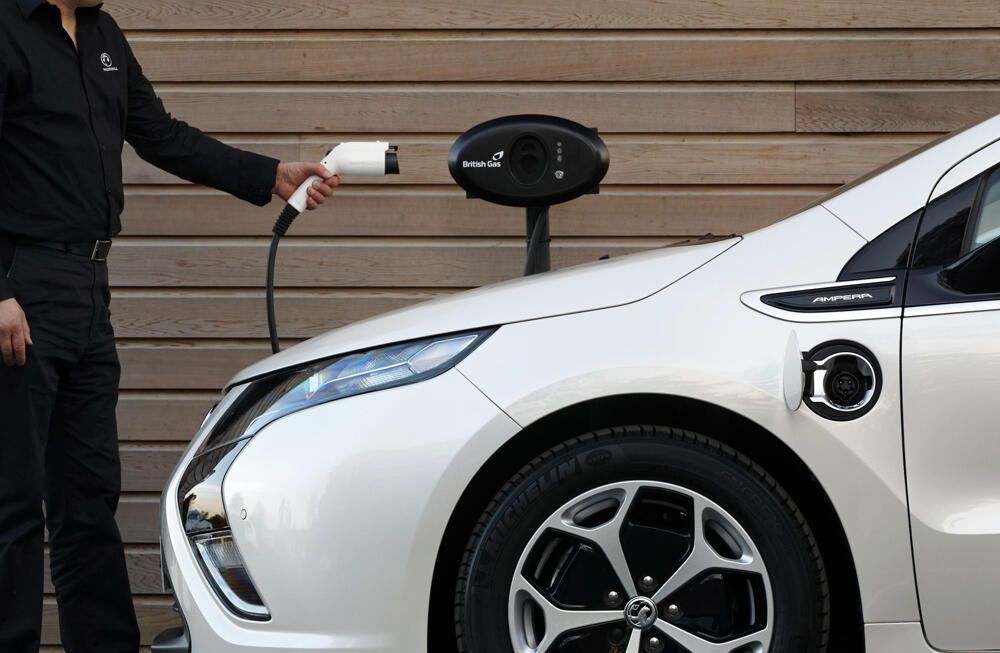
EV manufacturers are racing to develop faster-charging technologies, with innovations like advanced battery cooling and high-capacity batteries enabling some Chinese models to add hundreds of kilometers of range in under ten minutes. These advancements, already available in China, are starting to reach Israel, potentially reducing reliance on gasoline.

However, achieving such rapid charging requires not just advanced vehicles but also powerful charging stations, which are scarce in Israel. Most local chargers deliver under 200 kilowatts, with only a few reaching 300 kilowatts and a handful at 350 kilowatts. When importers claim their EVs charge in ten minutes, they often mean “with the right charger,” which is rarely available locally.
Some importers, like Shlomo Group (BYD) and Union Group (Zeekr), hold stakes in charging companies, but the necessary high-speed infrastructure remains underdeveloped. “If importers want their cars to charge in minutes, they need to provide the chargers, which isn’t happening yet,” an industry source said.
Israel’s auto market adheres to European or U.S./Canadian regulatory standards, but Chinese vehicles are not exported to North America, leaving Israel reliant on European standards. A loophole allows “small series” imports—vehicles not fully compliant with European regulations—capped at 400 units annually.
Get the Ynetnews app on your smartphone: Google Play: https://bit.ly/4eJ37pE | Apple App Store: https://bit.ly/3ZL7iNv
This enables a broader range of cars but limits their market presence, as 400 units cannot compete with mainstream models. Importers often fail to disclose that these vehicles are essentially “limited editions,” and the Transportation Ministry has not approved such imports beyond this year.
“If an importer doesn’t clarify a car’s limited import status or guarantee future availability, that’s a problem,” a regulatory official noted, highlighting the risk for buyers. With new and used car sales sluggish, trade-in deals are a key tool for importers, who operate used car lots and can subsidize transactions by offering list prices for older vehicles to boost new car sales.
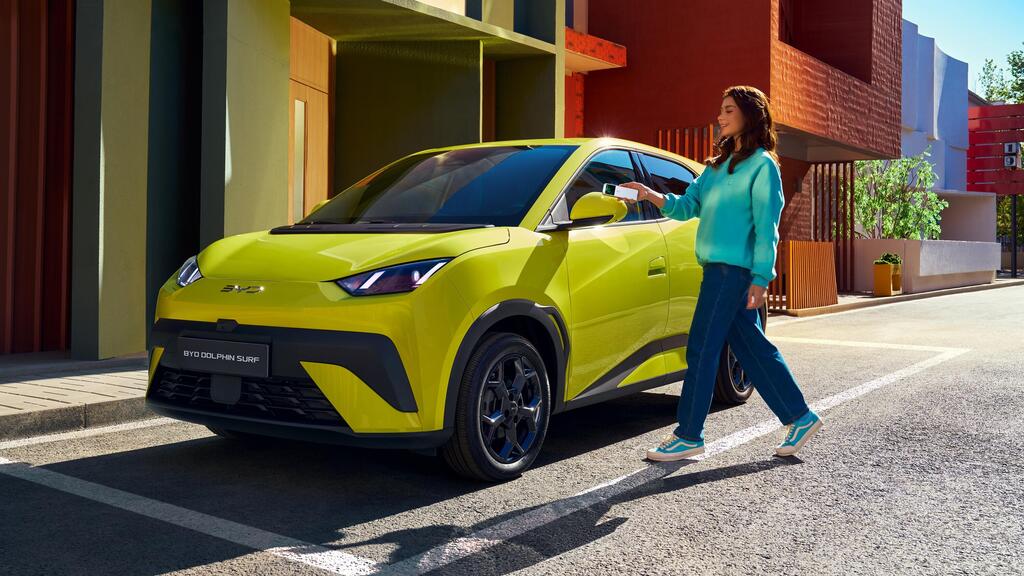
BYD
However, these “list price” offers come with numerous restrictions, often undisclosed in advertisements. Importers may limit eligible models, exclude cars with manual transmissions or indirect imports or require meticulous inspections that uncover defects to lower trade-in values. Consumers frequently find the fine print buried in the deal’s terms, undermining the appeal of such promotions.
Chinese carmakers innovate at a breakneck pace, releasing entirely new models every five to six years, compared to Western manufacturers’ eight-to-ten-year cycles. Even minor updates, like 800-volt platforms for faster charging or advanced operating systems, are significant.
In Israel, however, regulatory alignment with Europe and large existing inventories slow the introduction of these innovations. Many EVs sold in 2025 were imported late last year, delaying the entry of newer models.
Upgraded Chinese models can significantly devalue older versions, impacting resale values. “Consumers should check online to see if a newer version of their desired car exists,” an analyst advised. “The results can be surprising, as importers aren’t always upfront about selling outdated models.”