

Mark Ruffalo has rejected Paramount’s accusation that his attacks on the Ellison family, Oracle and their ties to Israel relied on antisemitic imagery, calling the charge “appalling and fundamentally dishonest.”
The Marvel star, who has become one of the most prominent opponents of Paramount-Skydance’s proposed acquisition of Warner Bros. Discovery, posted a lengthy response on X after the company sharply criticized remarks he made as part of his campaign against the $111 billion deal. “The accusation that I am antisemitic is appalling and fundamentally dishonest,” Ruffalo wrote.
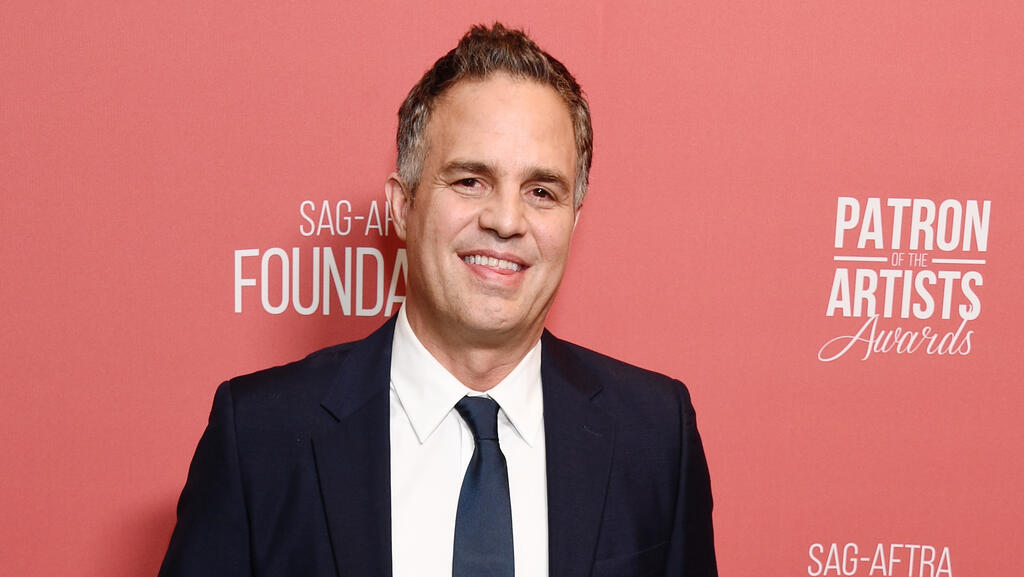
“Criticizing the actions of the Israeli prime minister, a military technology contract, or the executives who supply it is not the same as criticizing Jewish people,” he added. “This critical and necessary dialogue is then dishonestly framed as being anti-Israel.”
Ruffalo said his position stems from his political views and should not be interpreted as hostility toward Jews. “To be clear, my views come from my own political convictions and should never be interpreted as hostility toward Jewish people, for whom I have deep love and respect,” he wrote.
“Everything I know about acting, activism, and humanism has been profoundly shaped by the Jewish friends, colleagues, and loved ones who have been integral and family throughout every point of my life.”
The dispute erupted after Ruffalo expanded his criticism of the Warner Bros. transaction beyond concerns over job losses, media consolidation and creative independence, directly linking the Ellison family and Oracle to Israel and the war in Gaza.
Ruffalo had shared a video featuring Safra Catz, the Israeli-American former CEO of Oracle who now serves as executive vice chair of the company and sits on Paramount’s board.
Catz, who was born in Holon, has been one of the most outspoken supporters of Israel among senior Silicon Valley executives. Oracle publicly backed Israel after October 7, and Catz has repeatedly made clear that the company does not intend to conceal that position.
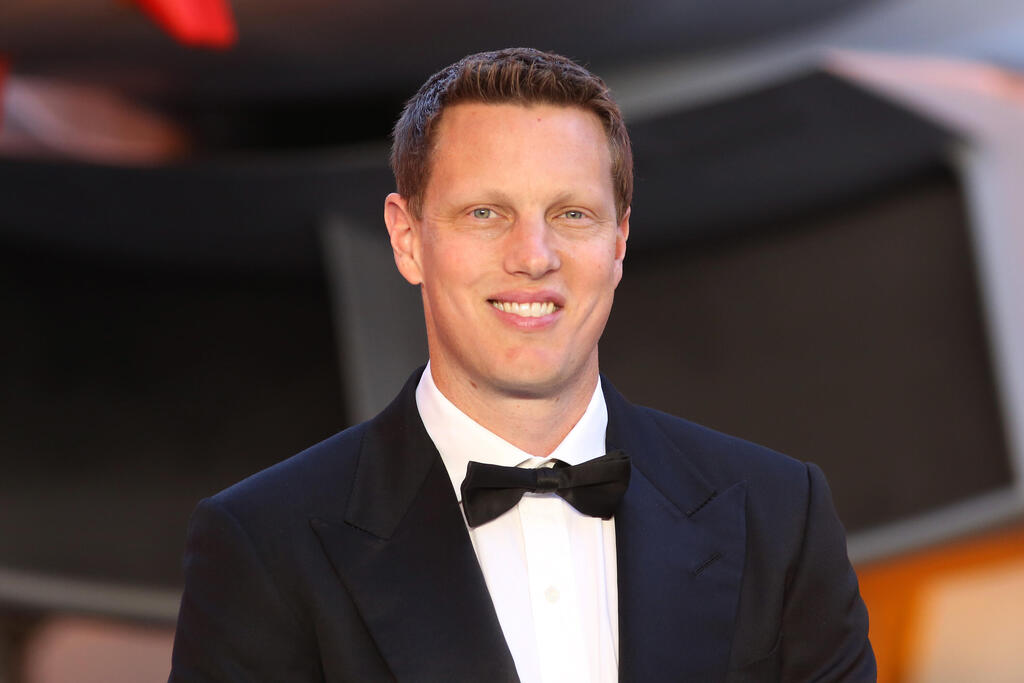
David Ellison
(Photo: Eamonn M. McCormack/Getty Images for Paramount Pictures)
Ruffalo described Oracle as the company Larry Ellison is using to help finance his son David Ellison’s acquisition of Warner Bros. Discovery and warned that the same technologies could eventually become part of one of the world’s largest media companies.
He accused Catz of taking pride in what he described as “genocide” and said it was “built on a system of apartheid oppression powered by Oracle.” He also called Larry Ellison a “classic oligarch” and accused the family of crushing workers and concentrating wealth for power and control.
Paramount responded forcefully. “We are troubled, as always, when alleged antisemitic tropes are deployed in service of a business dispute,” a company spokesperson said.
The spokesperson added that using terms such as “genocide” and “apartheid” in the context of a corporate transaction was “not only wrong” but crossed a line and diminished the real suffering those terms are meant to describe.
Ruffalo, however, doubled down on the underlying business criticism. “This merger has real consequences for real people, and for the entire country,” he wrote. “Scrutinizing the Ellisons, including Oracle’s business built on data, surveillance technology and government contracts, and the serious threat to editorial freedom and the loss of a livelihood for thousands of families, is fair and necessary.”
The proposed transaction would allow David Ellison’s Paramount-Skydance to acquire Warner Bros. Discovery, whose assets include CNN, HBO and Warner Bros.
Ruffalo argued that the scale and structure of the deal justify intense scrutiny. “The $111 billion deal would hand one family control over CNN, HBO and Warner Bros., backed in part by foreign money whose influence on editorial decisions has never been fully explained to the public,” he wrote.
He also pointed to political concern surrounding the merger. “Lawmakers on both sides of the aisle have called for serious national security review, and regulators still haven’t given the public a real answer,” Ruffalo said. “Until they do, the merger shouldn’t move forward.”
The actor, best known to many audiences as Bruce Banner and the Hulk in the Avengers films, has been speaking out against the deal for months. His opposition initially focused largely on fears of layoffs, media concentration and damage to creative independence. His latest intervention, however, brought his views on Israel and the Gaza war directly into the fight and prompted a much sharper response from Paramount.
Ruffalo made clear Saturday that he has no intention of backing away. “Now is the time to dive boldly into all these issues, not step back or concede,” he wrote.