

The 14th International Writers Festival at Mishkenot Sha’ananim is set to take place May 25-28 in Jerusalem, bringing leading literary figures to Israel amid continued criticism of the country over the war in Gaza.
Festival director Julia Fermentto-Tzaisler said she again faced difficulties and sharp responses from international writers while organizing this year’s event, including from South African Nobel laureate J.M. Coetzee, one of the most acclaimed figures in contemporary English literature.
Gallery
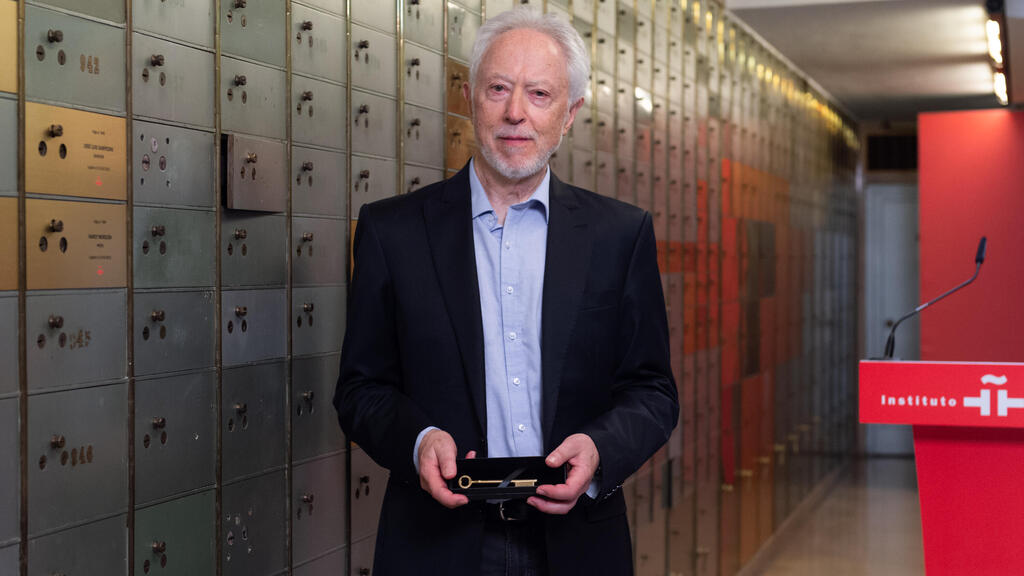
South African Nobel laureate J.M. Coetzee is a harsh critic of Israel
(Photo: Gustavo Valiente/Europa Press via Getty Images)
“Coetzee wrote me an especially harsh response, saying he was refusing my invitation because, in his words, over the past two years the State of Israel has been conducting a campaign of genocide in Gaza that is disproportionate to the ‘murderous provocations’ that took place on October 7 — a genocide that, he said, received enthusiastic support from most of the Israeli public,” Fermentto-Tzaisler told ynet, recalling the message she received from Coetzee, who has also twice won the prestigious Booker Prize.
“He added that for this reason it is impossible for any part of Israeli society — including the intellectual and artistic communities — to claim it does not share in the guilt for the atrocities in Gaza," she also said. “He ended by saying that the process of cleansing Israel’s name and reestablishing it in the international community would take many years, ‘if it is interested in that at all.’ I was shocked, of course — and eventually sent him an email in response.”
In the message she drafted to Coetzee, whose full name is John Maxwell Coetzee, Fermentto-Tzaisler wrote: “Mr. Coetzee, I would like to share with you some of what I have experienced since October 7 as a Jewish-Israeli woman, as a writer and as the director of a writers festival, living in Tel Aviv. First, I wish to set the record straight. I believe the term ‘murderous provocation’ is not appropriate for the events of October 7. Hamas terrorists planned this massacre for more than five years. They trained, raised funds, gathered intelligence and prepared large numbers of personnel for their genocidal mission — to kill Jews. I emphasize the word ‘Jews’ because when the terrorists entered the Gaza envelope communities — an area recognized under international law, contrary to the widespread mistaken perception that it is occupied territory — they shouted in Arabic, ‘Itbah al-Yahud’ — 'slaughter the Jews'. They did not say ‘slaughter the Israelis,’ nor even ‘the Zionists.’
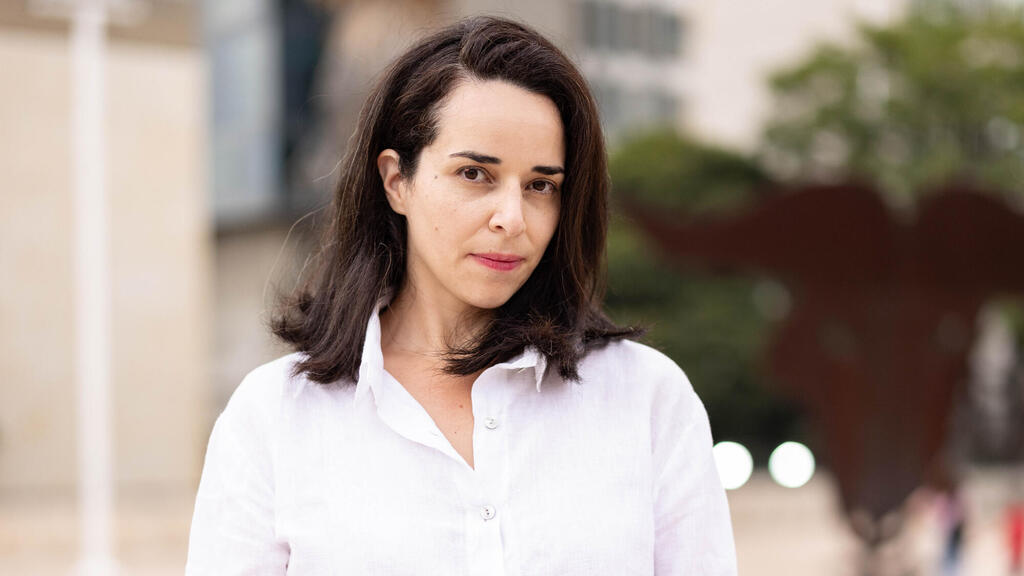
International Writers Festival director Julia Fermentto-Tzaisler
(Photo: Uri Taub)
“Even if one sets aside the murder, rape and abductions, October 7 was not an uprising of the oppressed. It was an expression of a jihadist ideology that sees the very presence of Jews in the Land of Israel and Palestine as intolerable, and something to be fought with absolute and uncompromising violence. Alongside all this, since October 7 a bloody and unbearable war has been taking place in Gaza. But Israel went to war in Gaza in order to dismantle Hamas, so that it would not commit such crimes again.”
She continued: “As a South African writer who fought apartheid, I would have expected — or perhaps dreamed — that you would extend a hand to me, that you would say to me, ‘Fight, my daughter. Do not stop fighting.’ Writers and literature have a role, and it is not to remain silent or disappear. But instead, in your email, you chose to push me deeper into the abyss in which I already find myself. And you ended your letter by saying that forgiveness, repair and healing are nowhere on the horizon. You left me in despair. We do not know each other, but I do not believe despair was ever your way — not as a writer and not as a person who cares about the world and about human beings. And I am sorry that this is the fate you and the international community designate for me, and for people like me.”
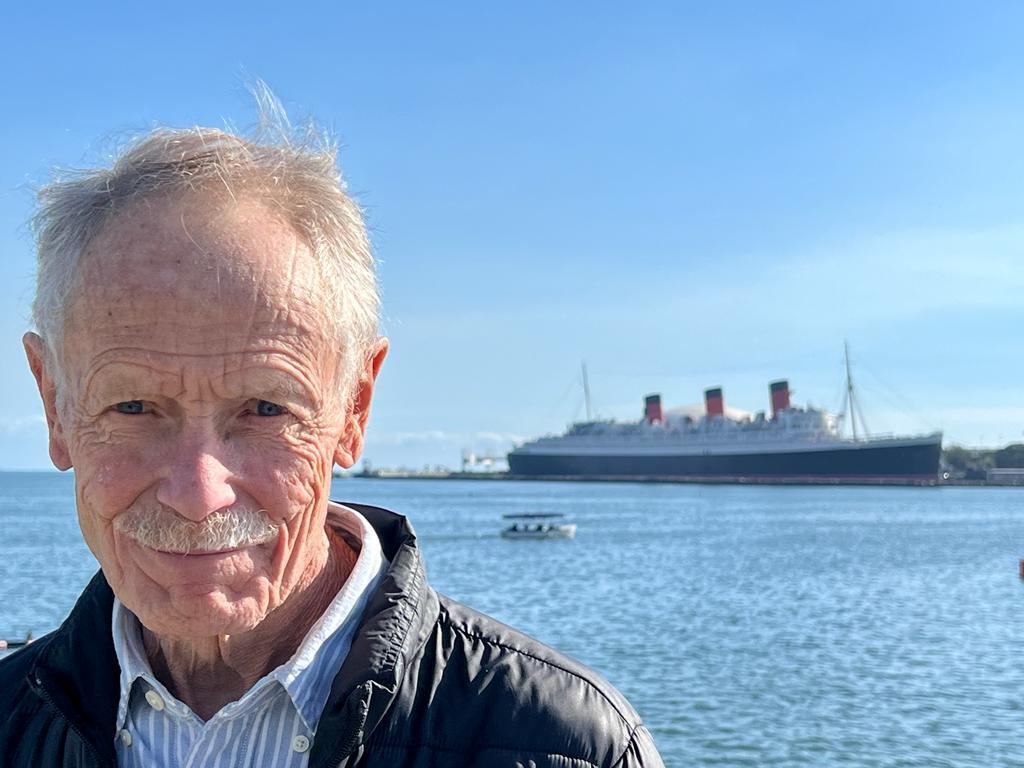
Erri De Luca
(Photo: Paola Forini Bison)
While Coetzee declined the invitation, eight other international writers confirmed they would attend the festival, which is supported by the Jerusalem Foundation, and will take part in panels and events. They include Erri De Luca, Nell Zink, Joseph Finder, Dara Horn, Steve J. Zipperstein, Benjamin Resnick, Marcelo Birmajer and Eva Illouz.
“In the past, as a guest in Israel, I felt the deep noise of a conflict in the making, the suspended danger to civilian lives,” De Luca said. “My impression today is that Israel is facing a war that may have a chance of being the last. I am coming to share this moment with the Israeli public — and to speak about all the other matters, because literature is all the other matters.”
Among the Israeli writers and creators participating are Zeruya Shalev, Ayelet Gundar-Goshen and Yannets Levi, who will launch a new book. The festival will also include a tribute to poet Dan Pagis marking 40 years since his death, an original production created in cooperation with the Jerusalem Academy of Music and Dance and the Mishkenot Sha’ananim Center for Culture and Spirit.
The Mishkenot Sha’ananim festival will close with an event honoring released hostage Eli Sharabi, who will speak with Roni Kuban about his book “Hostage.”