

“I can only say that I’m extraordinarily excited about this opportunity,” said NBA Commissioner Adam Silver, following two exhibition games held last week in Berlin and London. Silver was referring to the possibility that the NBA and FIBA will team up to launch a new European basketball league, with 12 permanent teams and four additional spots open to annual qualifiers.
Silver, a lawyer by profession and known for his careful choice of words and emotions, rarely speaks in such enthusiastic tones about speculative ventures. So when he does, one should take it seriously: this is happening. Talks with sponsors and broadcasters are already underway. While contractual issues still need to be finalized, the plan is progressing rapidly.
Gallery
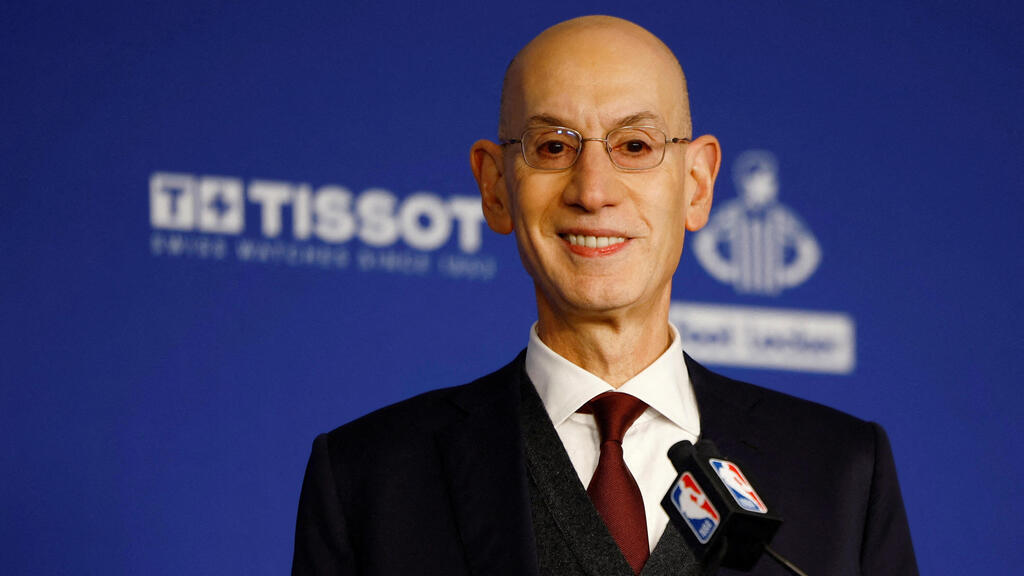
NBA Commissioner Adam Silver is ready to expand the NBA to Europe
(Photo: Sarah Meyssonnier/File Photo)
Legal battles are likely inevitable. EuroLeague is expected to fight to protect its existing infrastructure. Politicians and sports officials will argue that an exclusive league format would harm European basketball. In essence, this is shaping up to be another transatlantic showdown: Europe clings to a more socialist model, while the Americans see a business opportunity and want to introduce a capitalist model.
The cities hosting the recent NBA games — London and Berlin — are not accidental. Silver pointed out that both represent teams he believes are suited for the new league, citing their well-run organizations and especially their youth development programs. These comments offer a glimpse into his vision. London and Berlin may be impressively organized, but they are far from the elite of European basketball. If Silver were chasing star power, he might have mentioned teams from Greece, Turkey or Spain.
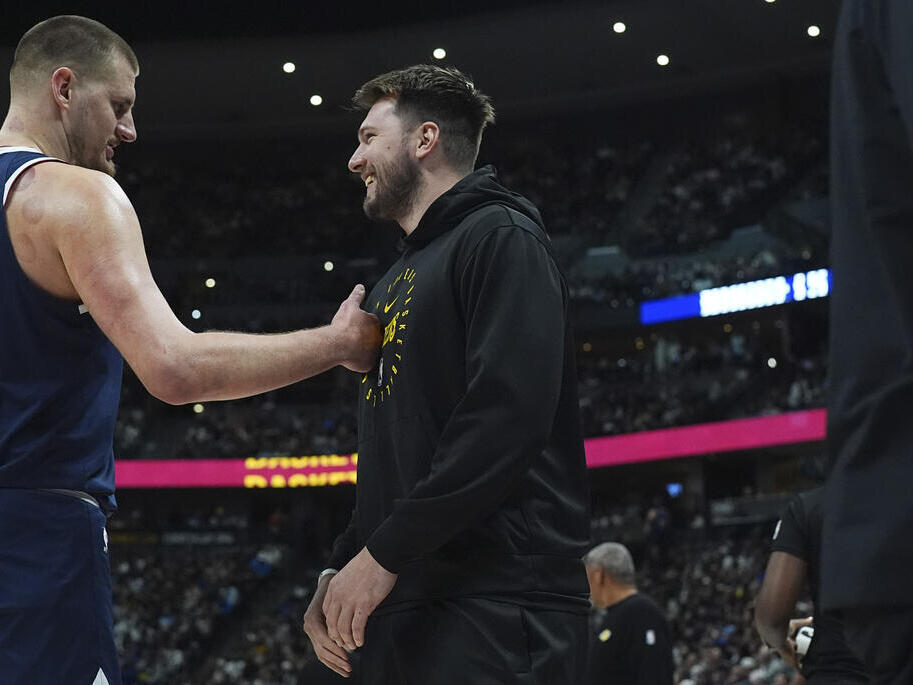
Luka Doncic and Nikola Jokic
(Photo: David Zalubowski/AP)
But his model is different: He intends to attach the NBA brand to the new league, launch it into a market of hundreds of millions of potential viewers, and create a pipeline league that would feed into the NBA itself. That’s why whenever Silver praises European clubs, he highlights their youth systems — this isn’t about promotion and relegation; this is a business venture.
Silver’s vision is, in fact, the realization of former commissioner David Stern’s dream to make basketball a truly global product. The global shift is already underway: over 70 European players — one in six NBA athletes — currently feature on NBA rosters. Conversely, the sport has cemented its position as Europe’s second-most popular sport after soccer, aided by the rise of European NBA stars.
A telling example came last week in Berlin, where Franz and Moritz Wagner of the Orlando Magic faced off against the Memphis Grizzlies at the city’s Uber Arena. Local kids came not just to watch top-level international basketball, but to see a story: two hometown players who came up through Alba Berlin’s youth system, led Germany to European and World Championships, and now earn millions in the NBA. In sports, stories sell merchandise — and dreams.

Moritz Wagner (right) and Franz Wagner of the Orlando Magic
(Photo: Paul Childs/Reuters)
Silver aims to launch the new league in the 2027/28 season. During his European tour, he also held meetings with top football club executives in Barcelona, Madrid, Paris and Manchester. “I don’t plan to compete with football’s popularity,” he said, “but to benefit from its massive appeal and near-religious following across the continent.” In other words, some of the new league’s teams haven’t even been created yet — they will be established by major football clubs.
Among the attendees at the NBA’s events in London and Berlin were the usual suspects: Amazon Prime, Nike and the Saudi Public Investment Fund. But particularly noteworthy were NBA ambassadors and legends Tony Parker and Pau Gasol — both capable of rallying new teams from their respective countries. Industry chatter suggests that the starting bid for a franchise could be around $1 billion — small change for Gulf sovereign wealth funds.
EuroLeague has downplayed the developments as “just business,” but this represents a seismic shift. The league has been a successful model for 26 years, with a deep understanding of the European market. But the proposed NBA-FIBA model resembles EuroLeague’s structure — 13 of its 20 teams also hold permanent licenses — only with the NBA’s branding and marketing power. Adding to the tension is the fact that Real Madrid and Fenerbahçe, two of EuroLeague’s cornerstones, have not yet renewed their long-term contracts, and Parker’s ASVEL Villeurbanne is rumored to be aligning with the new league.
In short, EuroLeague is about to meet real competition — perhaps for the first time.
First published: 11:59, 01.21.26